







Heat from the Earth’s Core
4 min read
Structure of the Earth
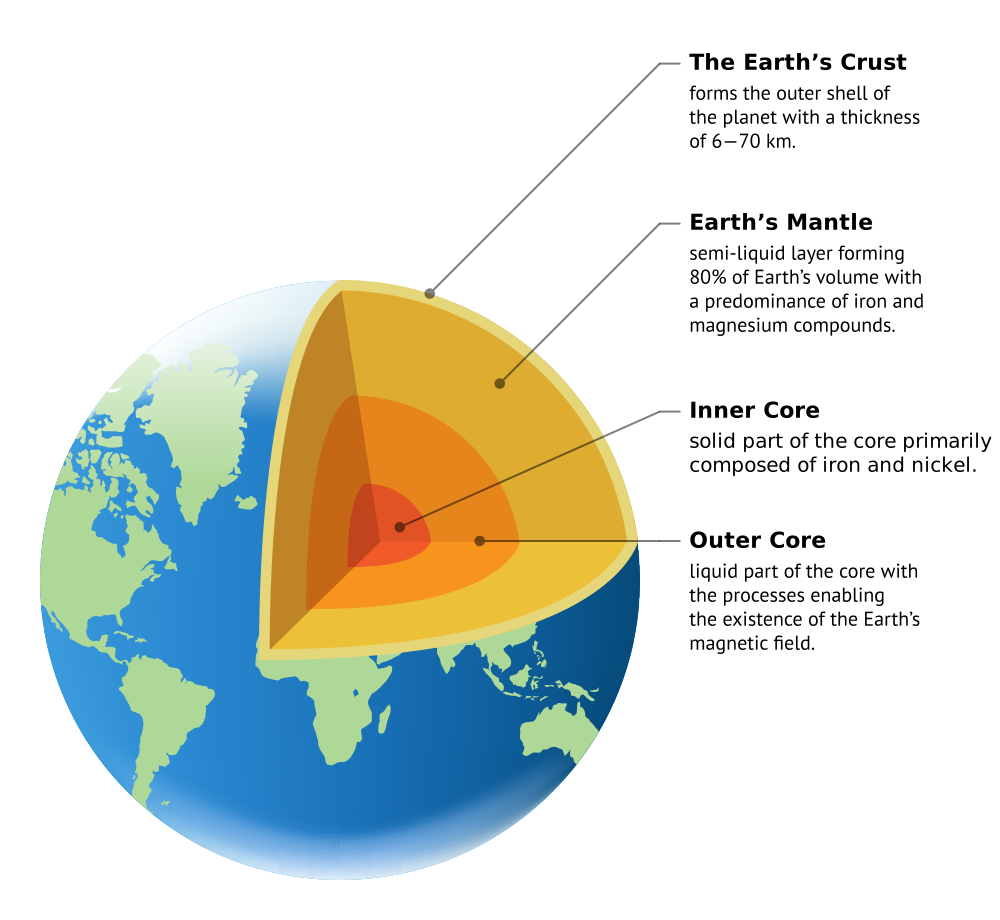
The inner composition of the Earth reflects its long formation process. There are several distinct layers which differ in chemical composition, pressure, temperature and state. These so-called geospheres are the crust, the mantle and the core.
The Earth’s Crust
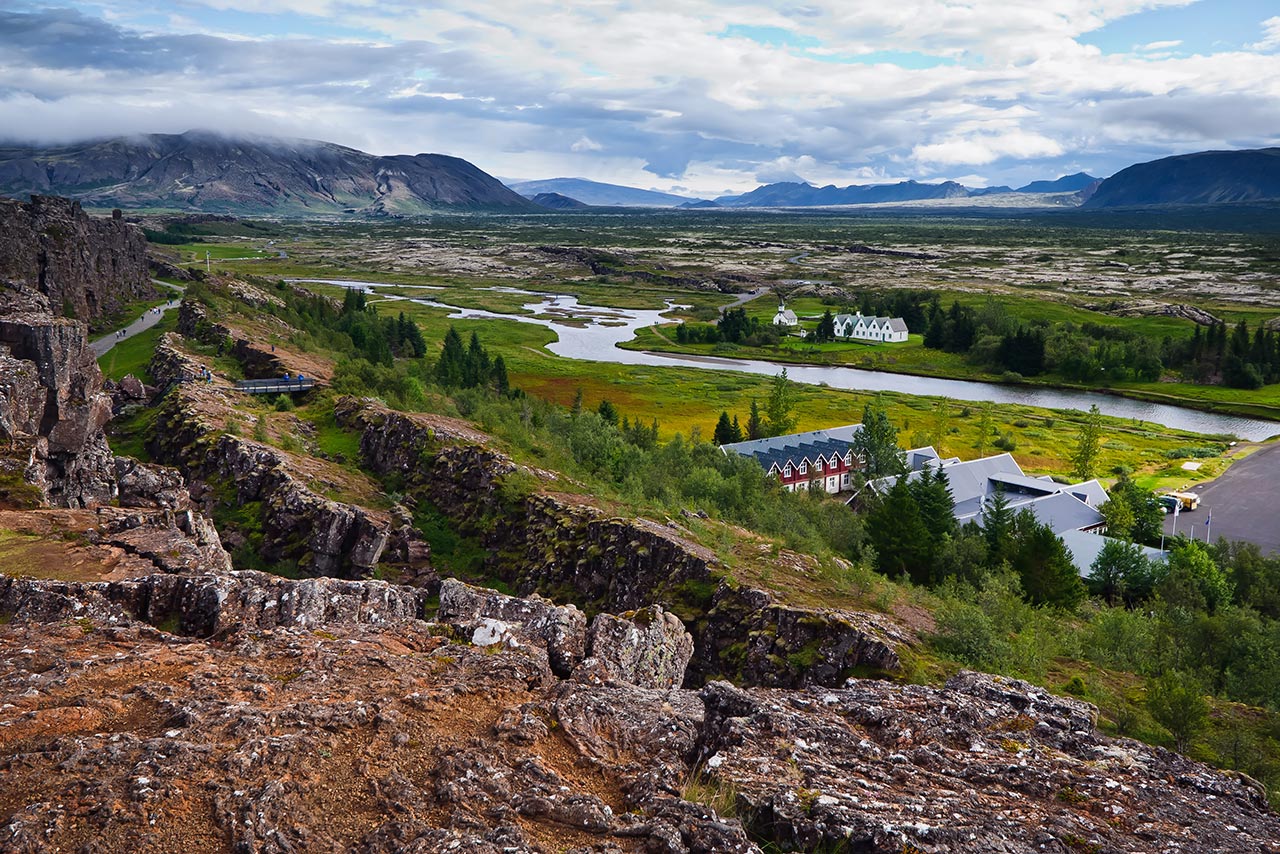
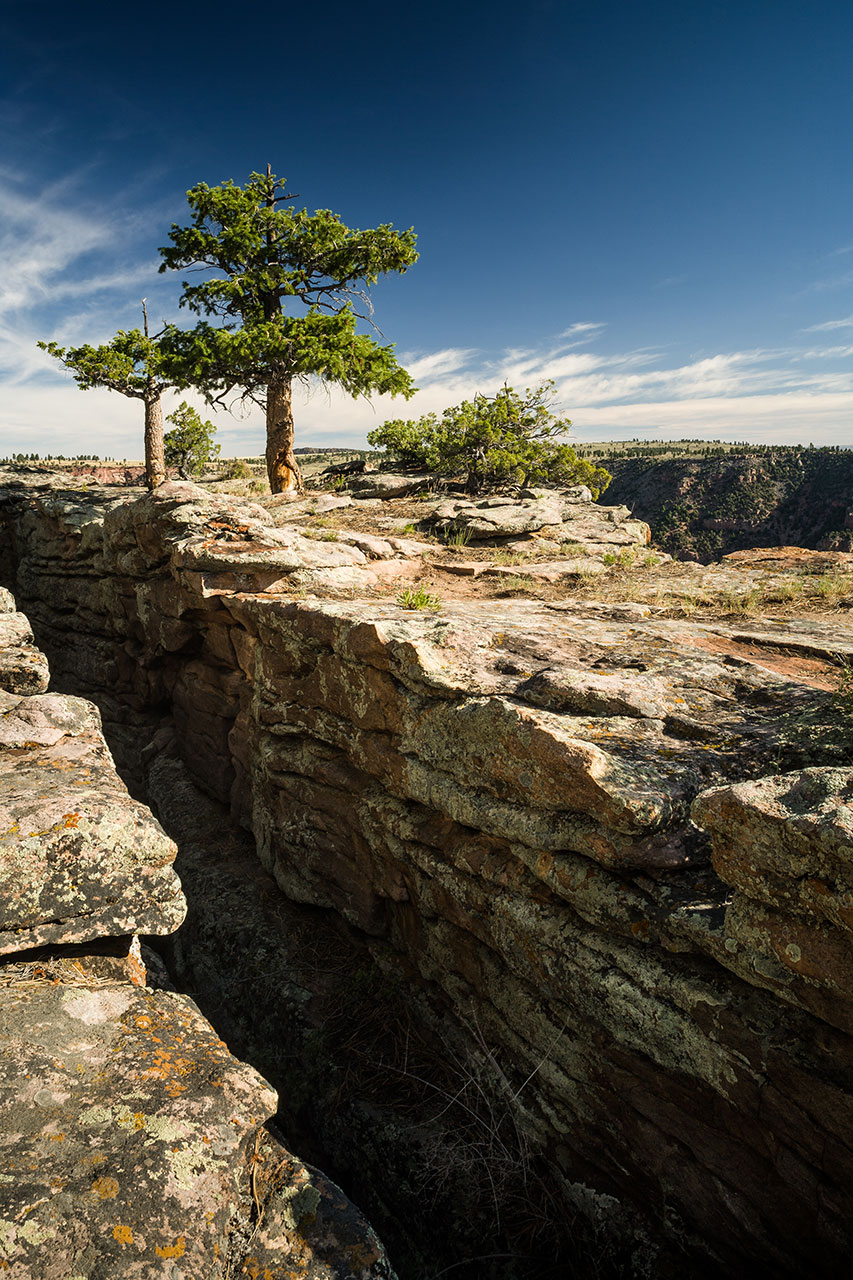
The Earth’s crust is a hard outer shell whose thickness varies from about 6 to 70 kilometres. It is not monolithic but forms part of the gigantic lithospheric plates. The crust is thinnest beneath the oceans and thickest beneath continental mountain ranges. The Earth’s crust contains practically all naturally occurring chemical elements.
Earth’s Mantle
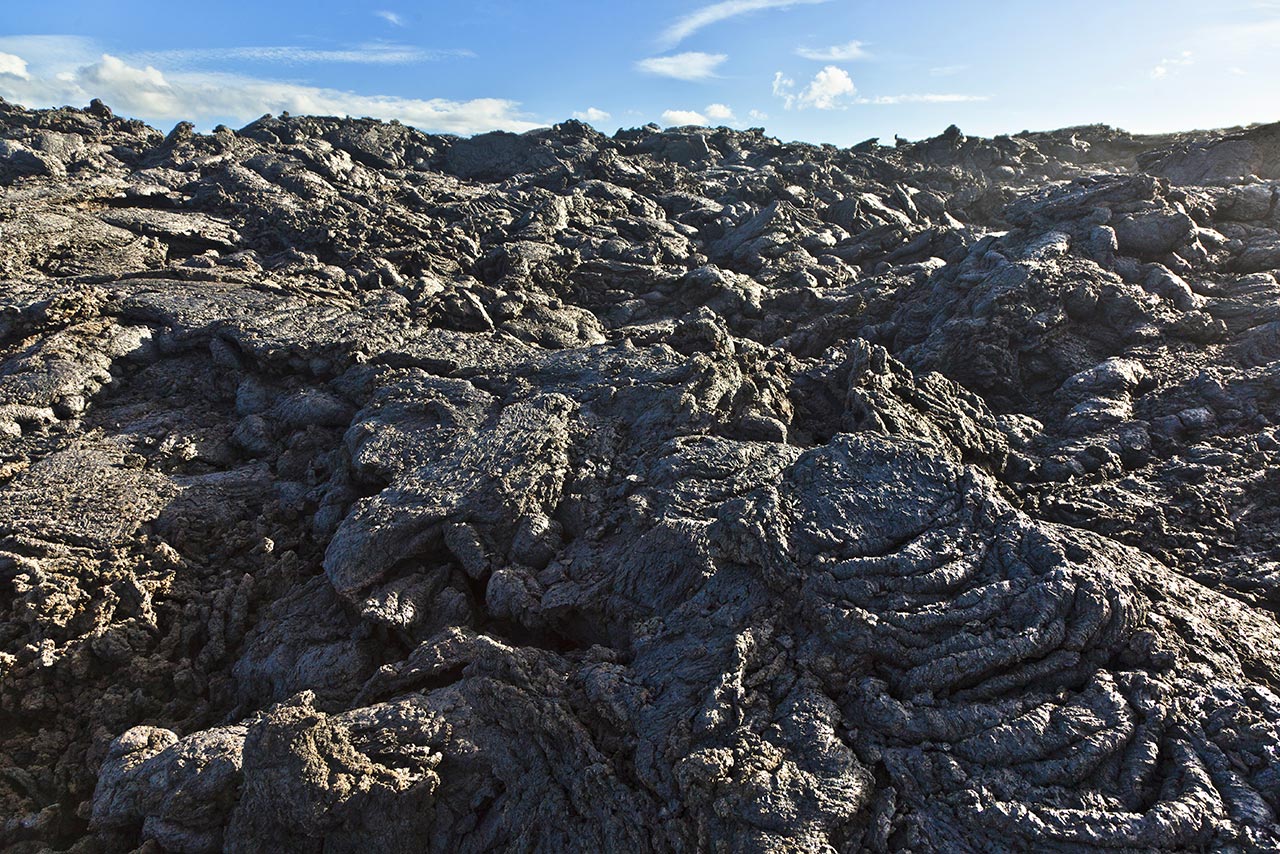
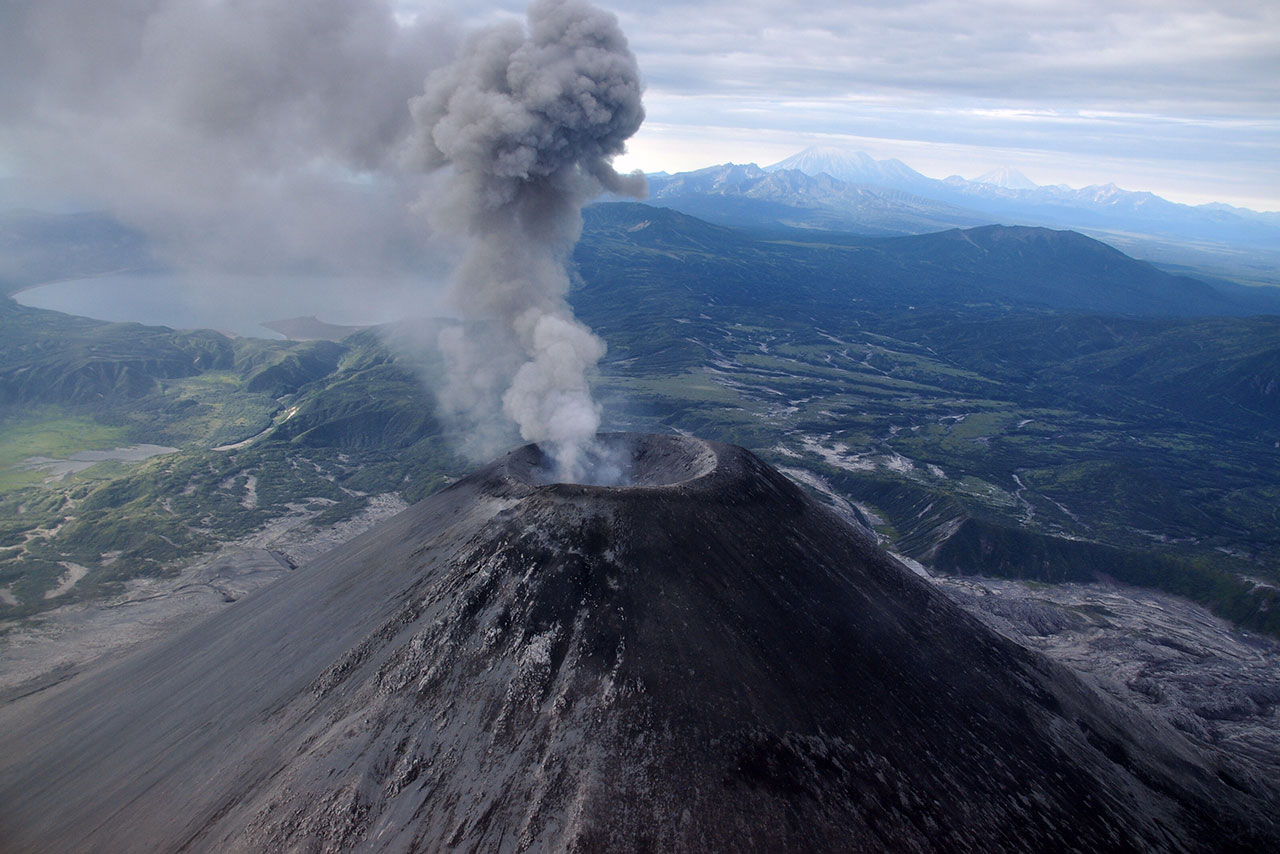
The second layer of the Earth is the mantle. It accounts for about two thirds of the Earth’s mass and four fifths of its volume. It consists mainly of silicate minerals rich in iron and magnesium. The decay of radioactive isotopes of elements such as uranium, thorium and potassium generates heat that is transported through the mantle. The rigid lithospheric plates move over the slowly deforming asthenosphere in the upper mantle. At plate boundaries, their relative movement may form mountain ranges, mid-ocean ridges or oceanic trenches and is often accompanied by seismic and volcanic activity.
The Earth’s Core
The Earth’s core consists mainly of iron and nickel. The outer core is liquid and the inner core is solid. About one third of the Earth’s mass is concentrated here, and convection of electrically conducting material in the outer core generates the Earth’s magnetic field.
7 pictures

7 pictures
The average density of the Earth is 5,515 kg/m3, about five times the density of water.
The Earth’s interior is cooling extremely slowly. Estimates suggest that the mantle was about 250—350 °C hotter around 3 billion years ago than it is today.
The Source of Geothermal Energy
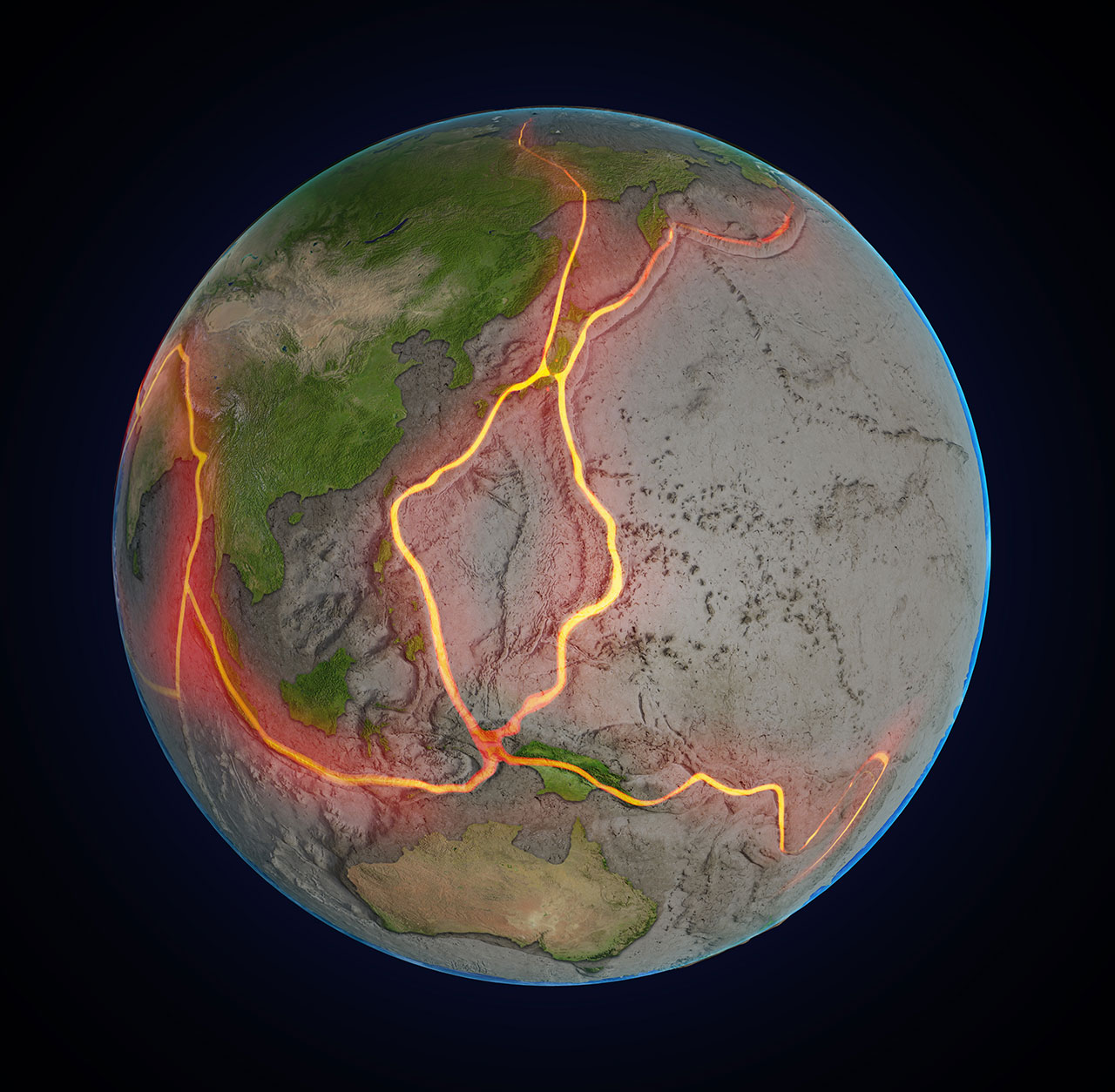
A model of the Earth’s surface showing regions of possible tectonic activity.
Geothermal energy originates from residual heat remaining from the Earth’s formation and heat continuously generated by the decay of radioactive elements. The temperature at the centre of the Earth is estimated at about 5,500 °C, while the average temperature at the surface is only about 15 °C. The temperature increases with depth. In many regions, the geothermal gradient in the upper crust is about 25 to 30 °C per kilometre. At a depth of 3 km, temperatures may approach 100 °C, while much higher temperatures can occur at greater depths or in regions with unusually high geothermal gradients.
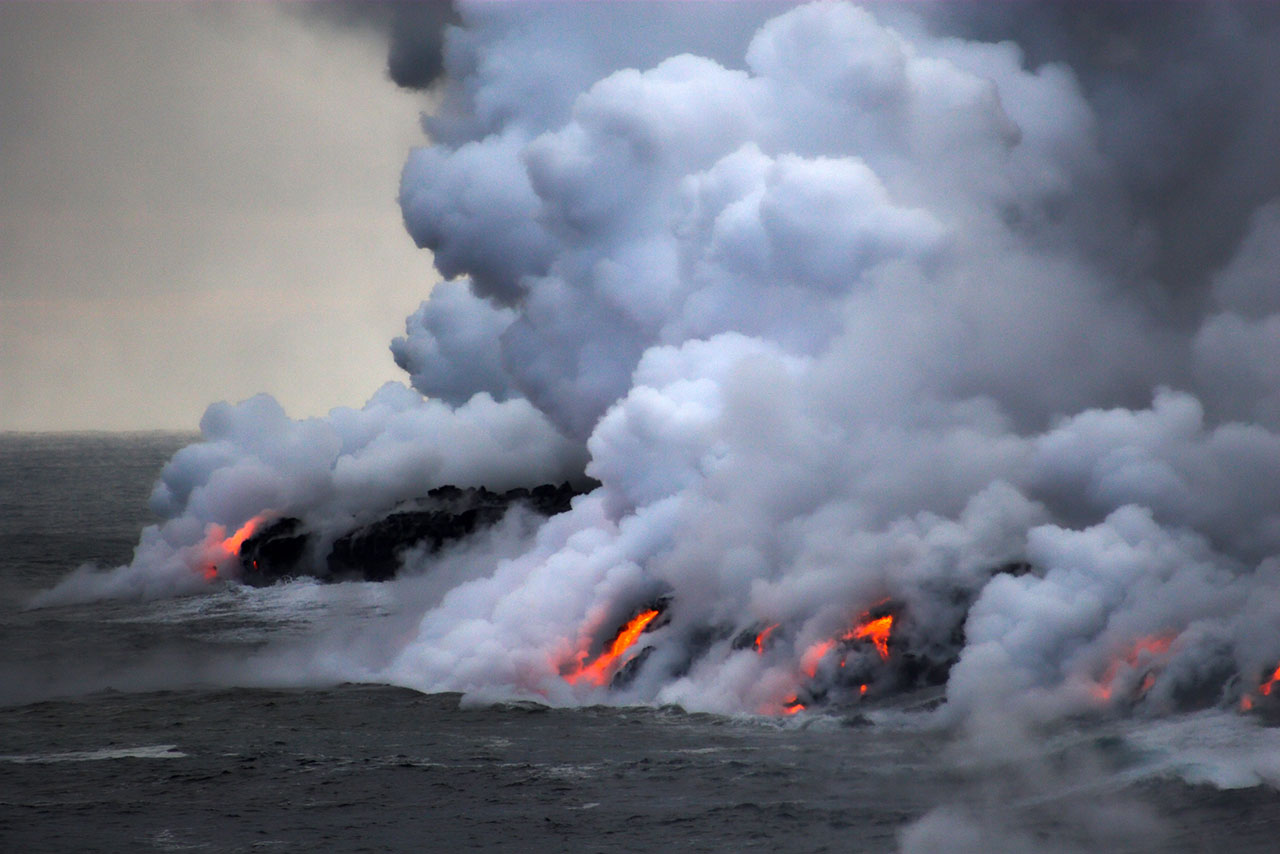
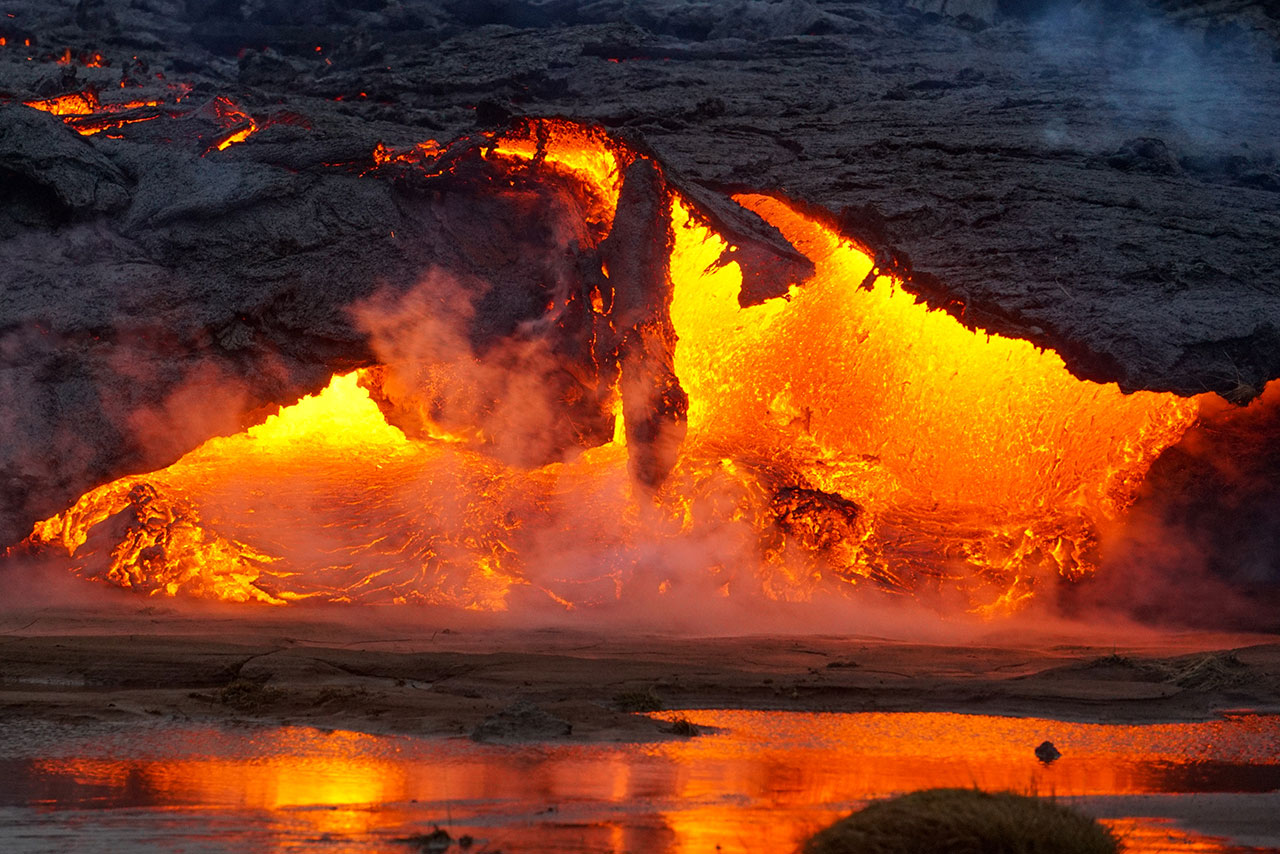
Higher geothermal gradients commonly occur in tectonically active regions, particularly where magma generated in the mantle or crust rises closer to the Earth’s surface. Hotspots also occur where unusually hot mantle material rises towards the lithosphere in structures commonly described as mantle plumes. Examples of such hotspots can be found in Yellowstone National Park (map) or in Hawaii (map).
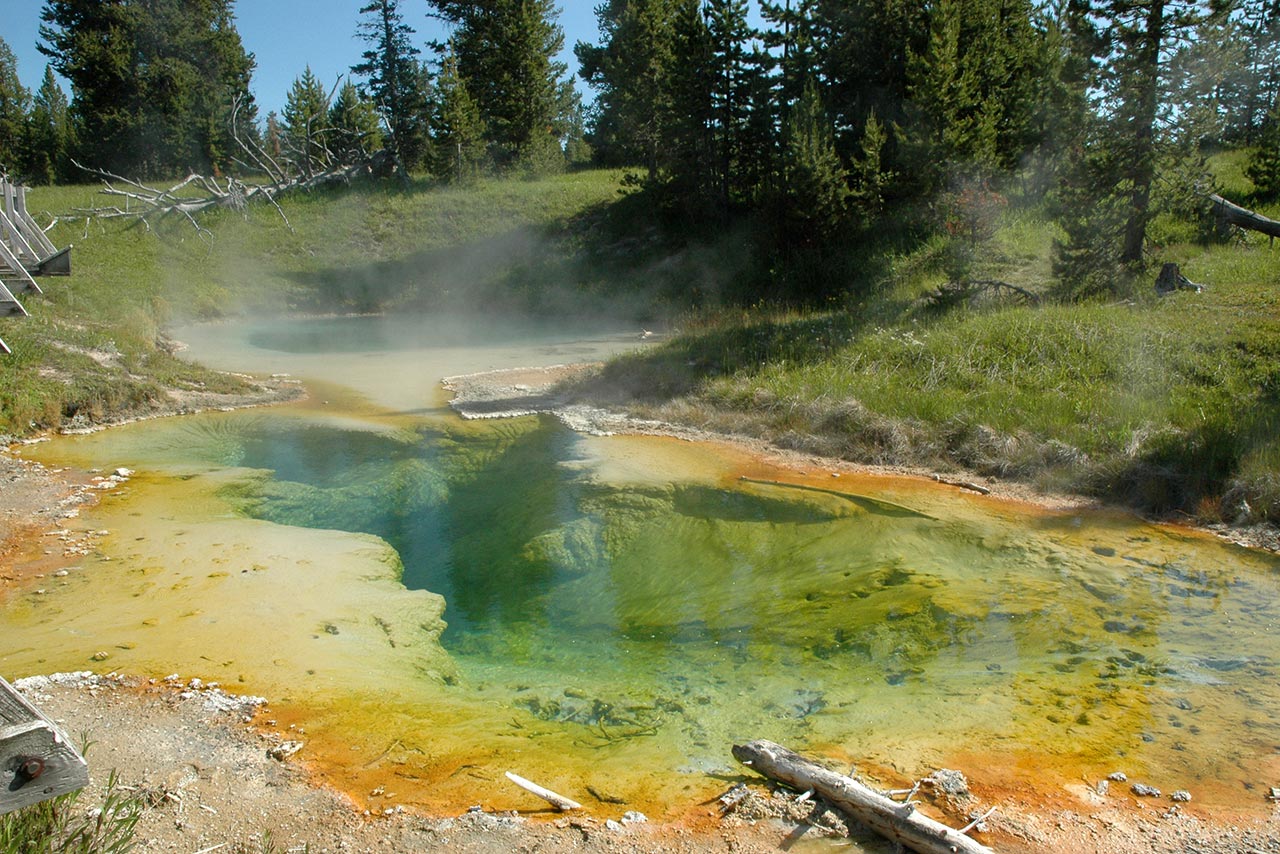
These regions are particularly favourable for geothermal power generation because high-temperature resources may occur relatively close to the surface. Production wells are typically drilled hundreds of metres to several kilometres deep, depending on local geological conditions. Hot springs and geysers are common surface indications of geothermal activity, as circulating groundwater can absorb heat from hot rocks at depth and transport it towards the surface. Hot rocks occur beneath much of the Earth’s surface, but geological conditions, drilling depth and technological limitations often make their energy difficult or uneconomic to exploit. Reaching these hot areas places high demands on drilling technology. However, advances in deep drilling and enhanced geothermal systems may make resources that are currently uneconomic accessible in the future.
9 pictures
9 pictures
The Earth continuously releases about 45 TW of heat from its interior — more than twice the average rate of global human energy consumption.
About half of the heat released from the Earth’s interior is generated by the radioactive decay of uranium, thorium and potassium.