







Types of Hydroelectric Power Plants
5 min read
Hydroelectric power plants can be categorised according to the way they use and manage water. The main types include run-of-river, storage, diversion and pumped-storage hydroelectric power plants.
Free Downloads › Images
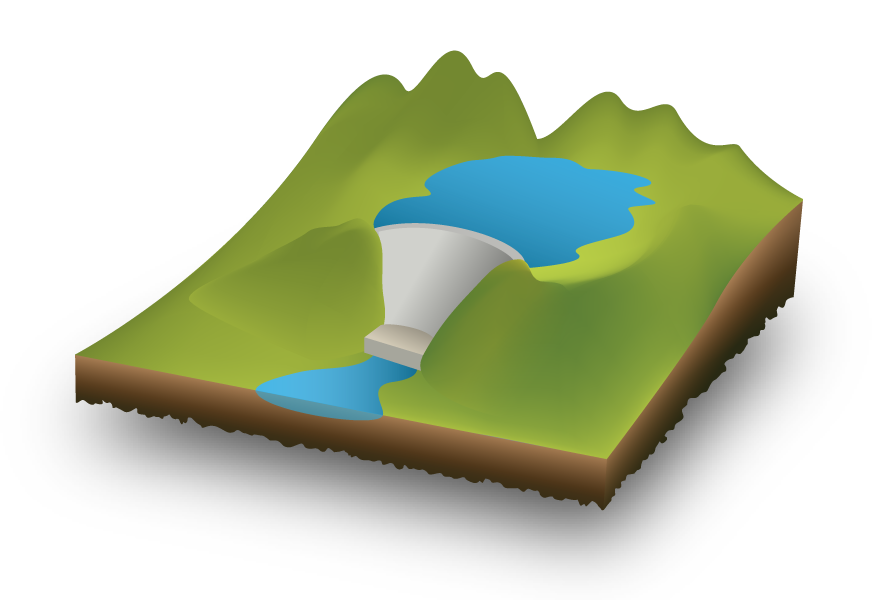
Storage hydroelectric power plants
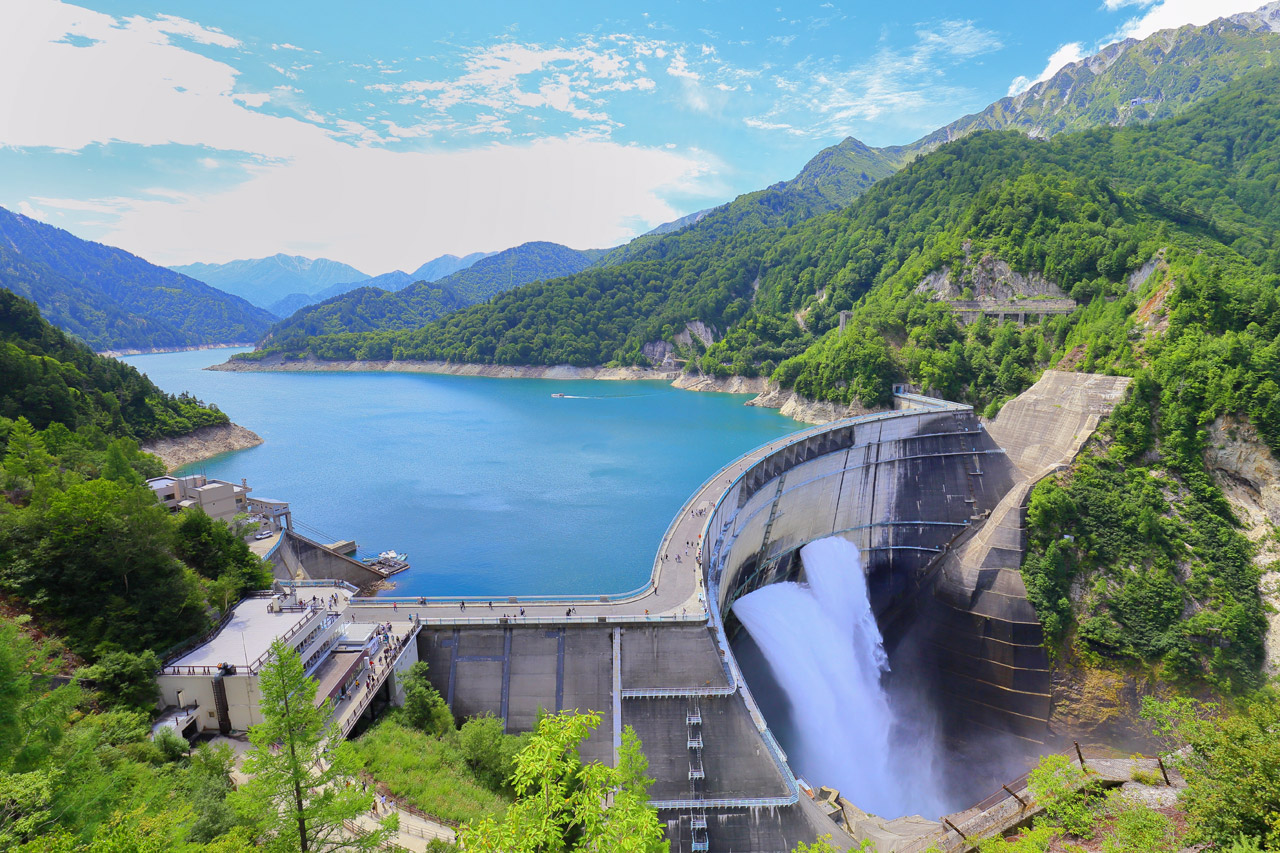
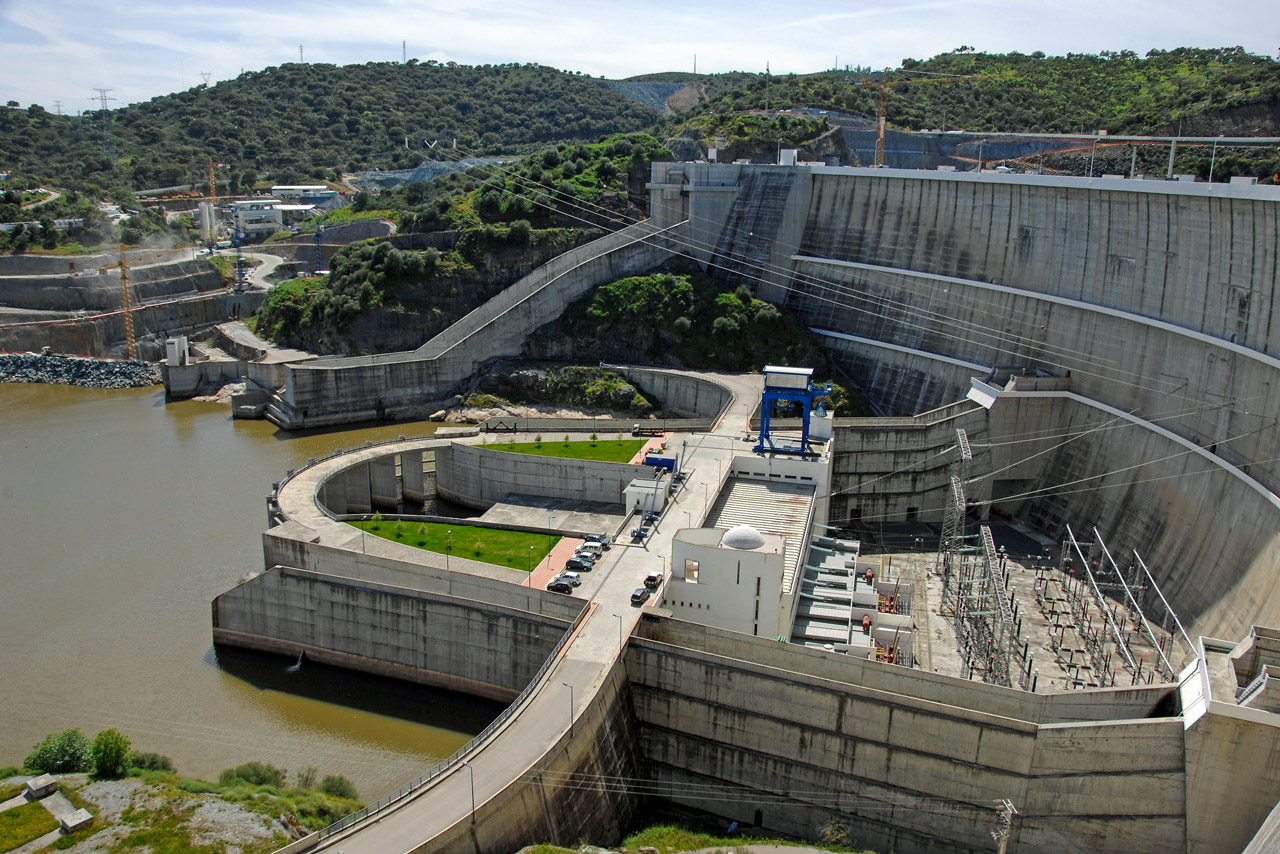
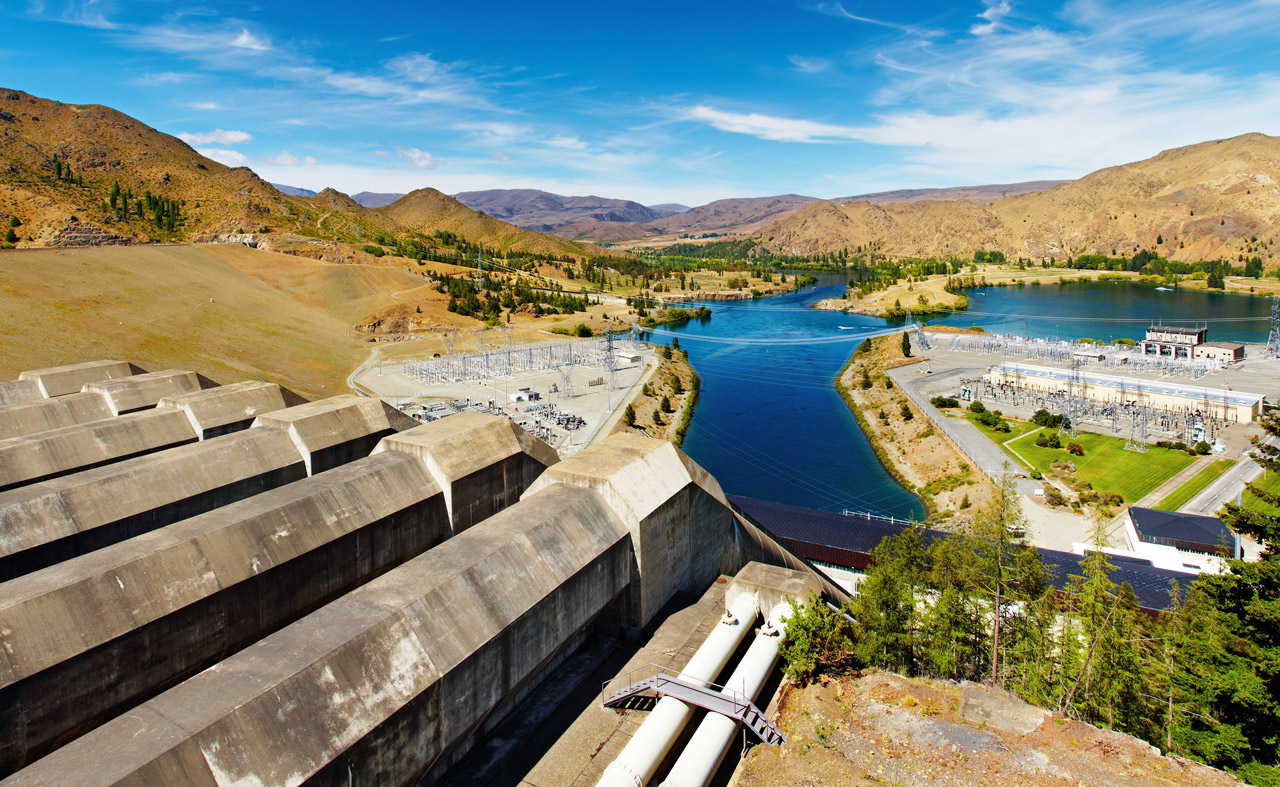
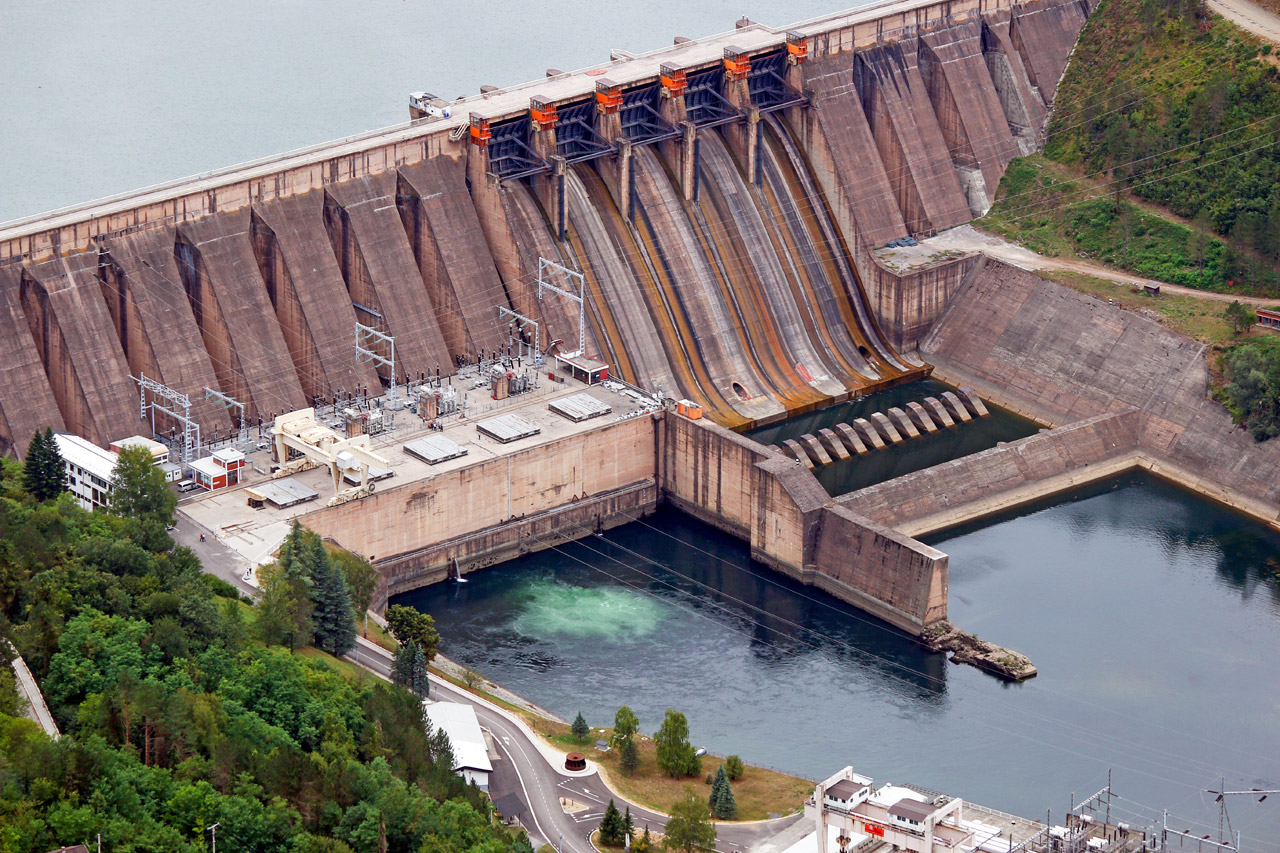
A storage hydroelectric power plant uses a reservoir in which water can be stored and released when required. The operating cycle depends on the storage capacity of the reservoir and the rate of water inflow and may range from days to weeks or even longer. Storage allows electricity generation to be adjusted according to demand while also accommodating other water-management requirements.
A minimum flow may be maintained downstream of the dam to meet environmental and water-management requirements.
9 pictures
9 pictures
Free Downloads › Images
Diversion hydroelectric power plants
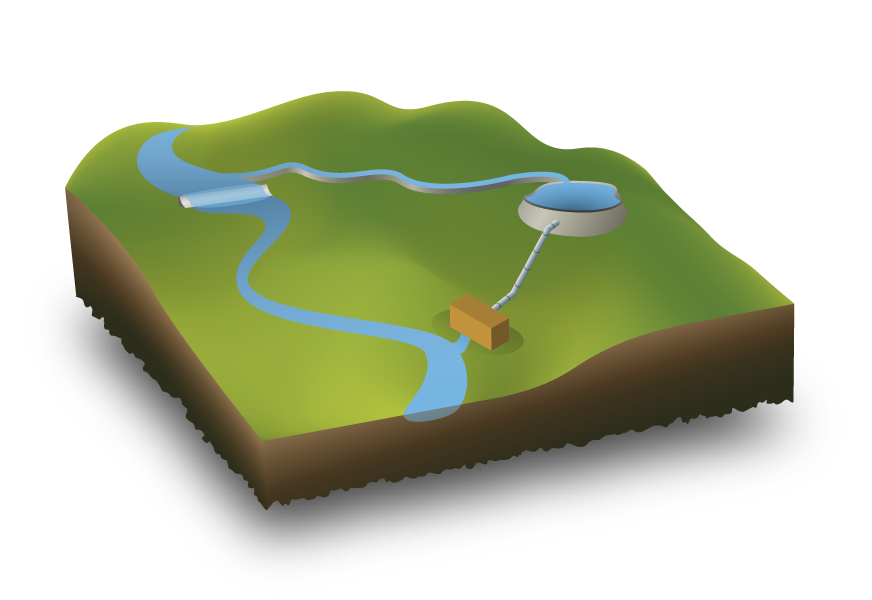
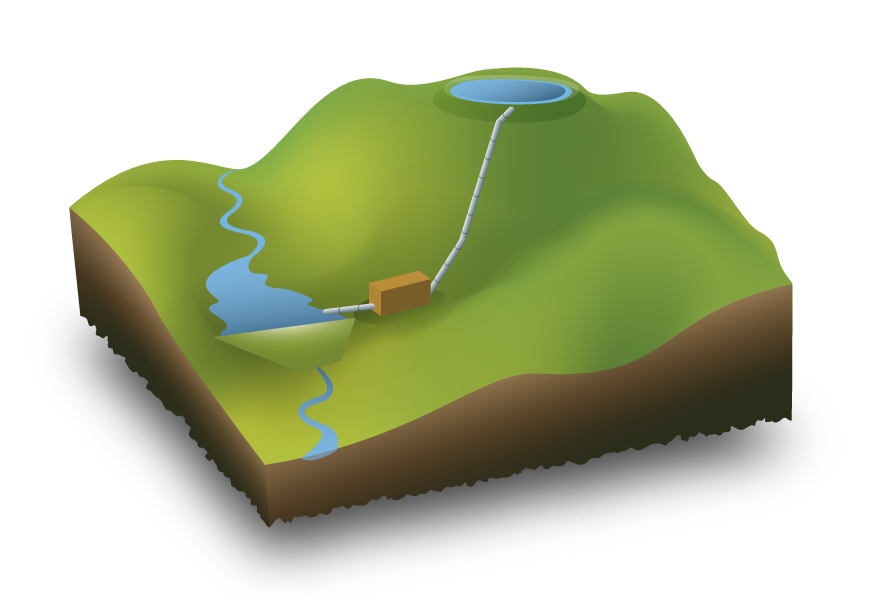
The principle of a diversion hydroelectric power plant lies in diverting part of a river into a diversion canal that is significantly less steep than the original riverbed. The diversion is achieved using barrages or dams with sluices. The power plant, which makes use of the head between the diverted water and the river, may be located several kilometres away from the barrage or dam. If the water is conveyed through open canals following the terrain contours, this is known as an unpressurised diversion.
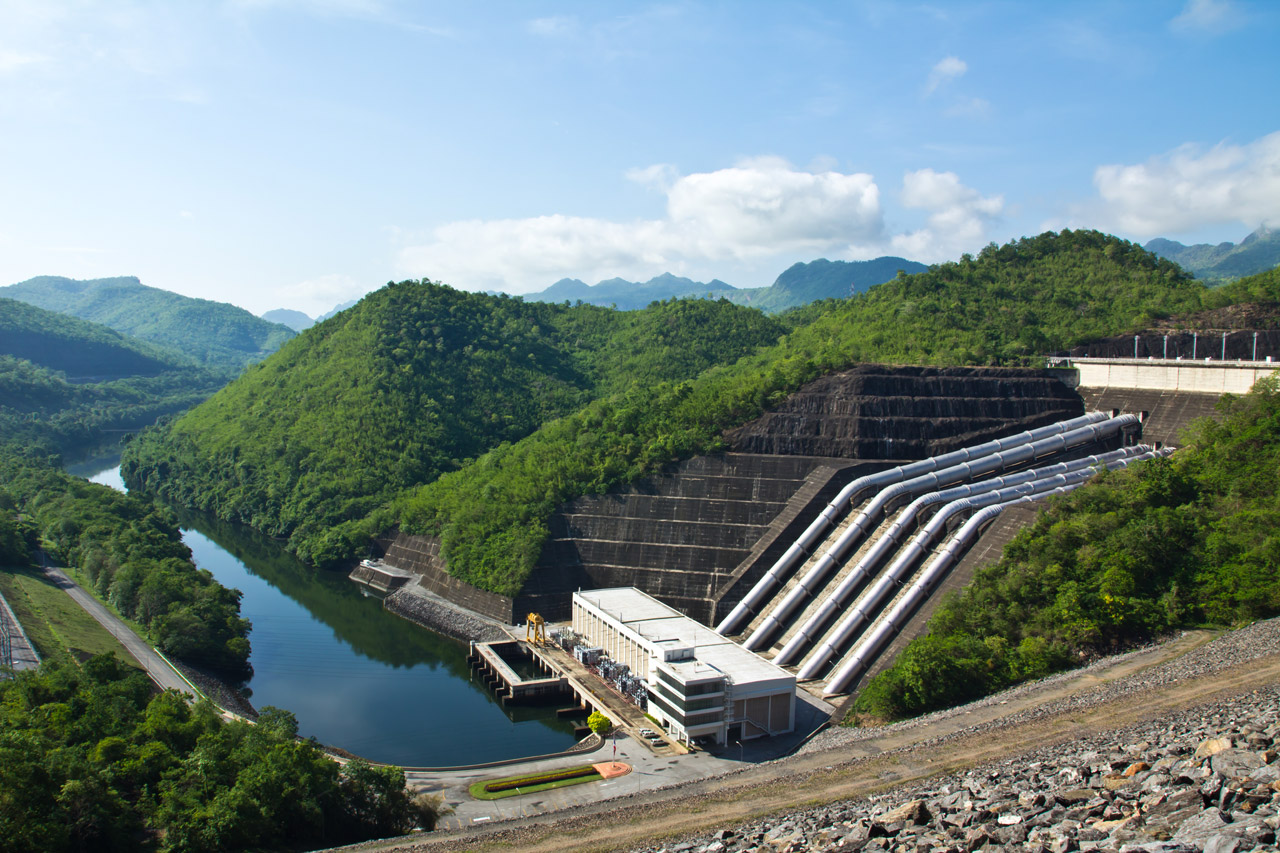
In the case of a pressurised diversion, the water feeding the turbines is conveyed through a penstock or an underground tunnel. After leaving the turbine, the water returns to its original riverbed. Seasonal changes and varying hydrological conditions strongly influence the power output of these plants.
Free Downloads › Images
Run-of-the-river hydroelectric power plants
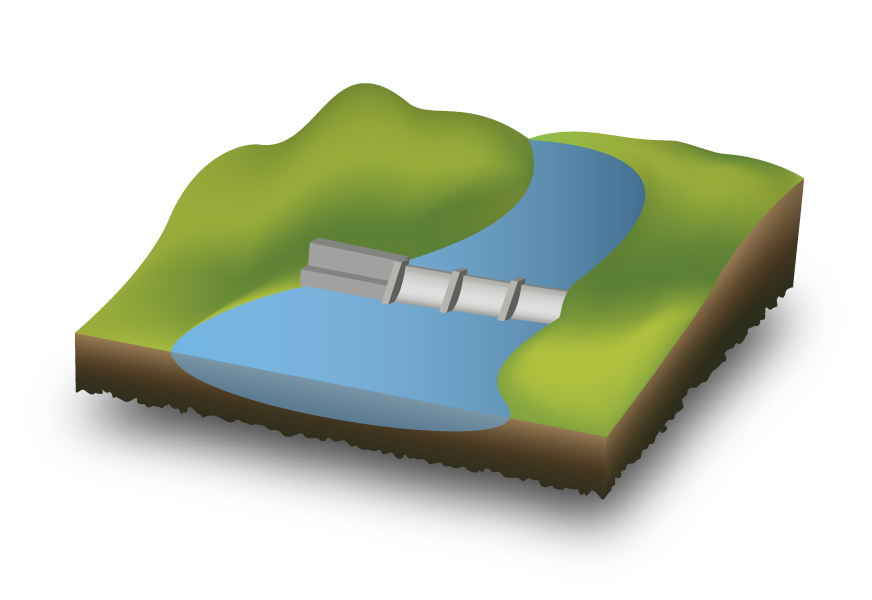
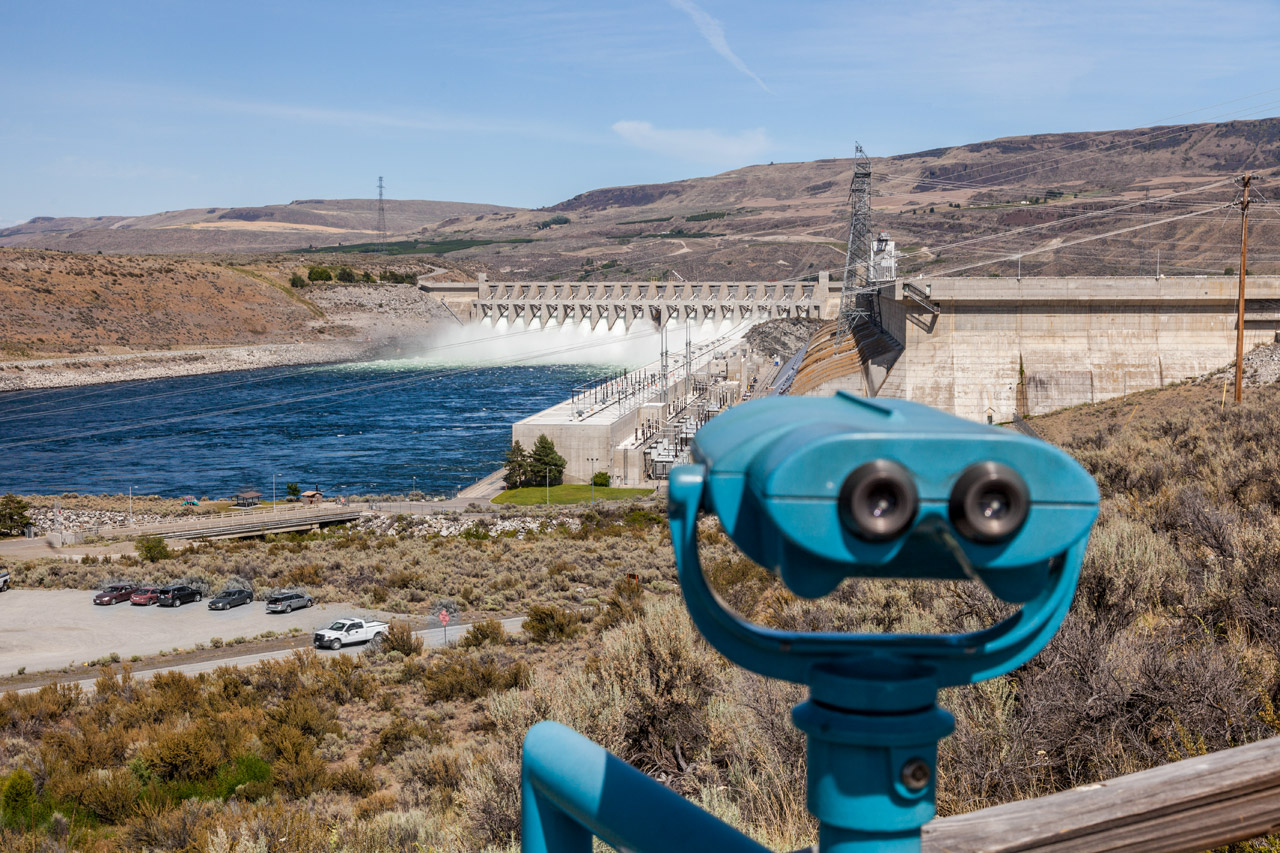
Run-of-river hydroelectric power plants use the natural flow of a river and typically have little or no water storage. They often operate with relatively low hydraulic heads and large flow rates, although their design depends on local conditions. Their power output is largely determined by the actual flow rate of the river. If the available flow exceeds the maximum capacity of the turbines, the excess water bypasses the turbines, for example over a spillway or barrage.
Free Downloads › Images
Pumped-storage hydroelectric power plants
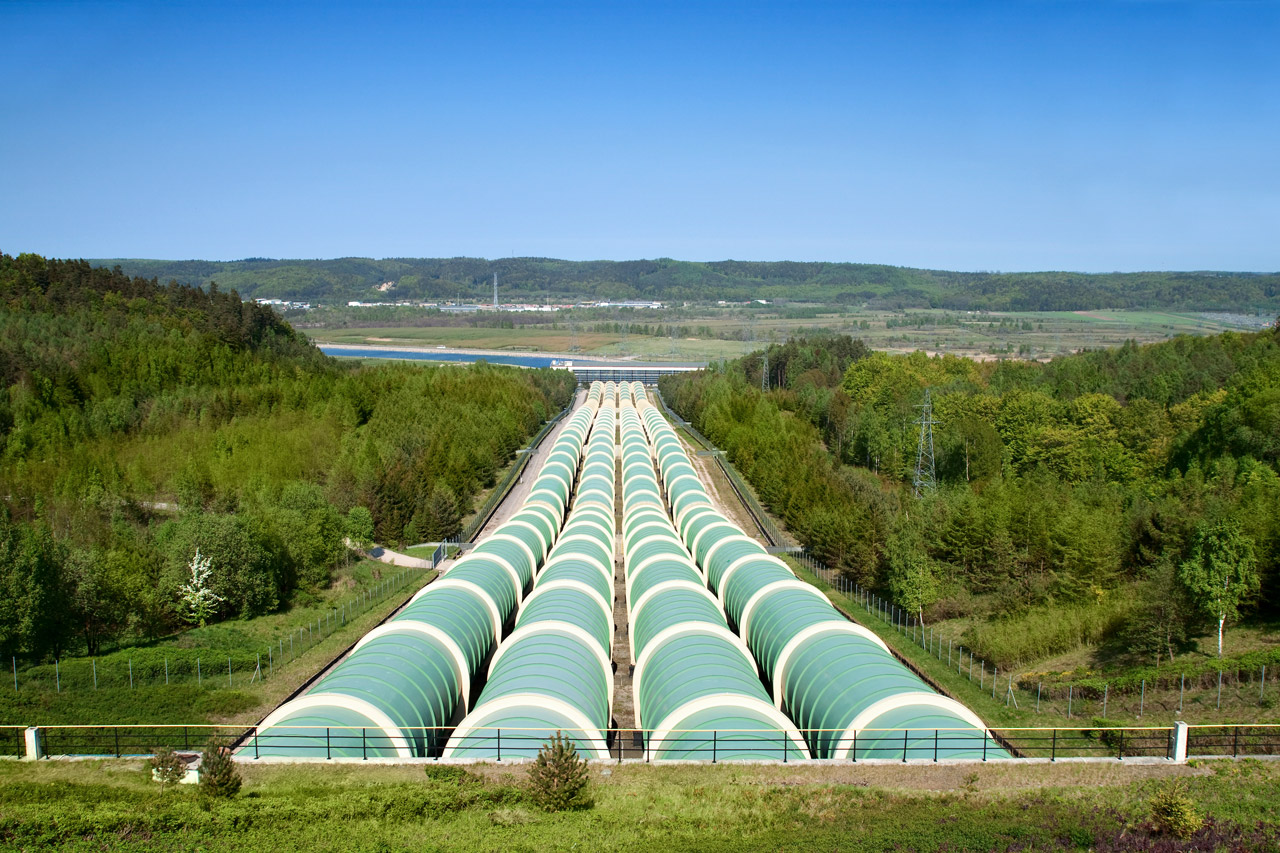
Pumped-storage hydropower stores energy by moving water between two reservoirs at different elevations. During periods of low electricity demand or surplus generation, electricity is used to pump water from the lower reservoir to the upper one. Many modern plants use reversible pump-turbines connected to motor-generators.
When electricity demand increases, water is released from the upper reservoir through the turbines to generate electricity before returning to the lower reservoir. Because of losses during pumping and generation, more energy is consumed during pumping than is subsequently recovered as electricity.
A major advantage of pumped-storage power plants is their ability to change their operating mode and output rapidly, allowing them to respond to changing conditions in the electricity grid.

4 pictures
4 pictures
Small Hydroelectric Power Plants
Small hydroelectric power plants generate electricity on a smaller scale and can make use of rivers, streams, existing dams, canals and other water infrastructure. The capacity limit used to define small hydropower varies between countries and organisations.
Small hydroelectric power plants are often built on smaller rivers and streams or at existing hydraulic structures such as former mill sites and barrages. The capacity limit below which a power plant is classified as small depends on national definitions and may range from a few megawatts to several tens of megawatts. These small power plants are often driven by a cross-flow turbine (or Banki-Michell turbine), a simple and relatively inexpensive design in which the water passes through the blades of the cylindrical runner twice (from outside to inside and then from inside to outside). Where higher flow rates are available, Kaplan or Francis turbines may be installed.
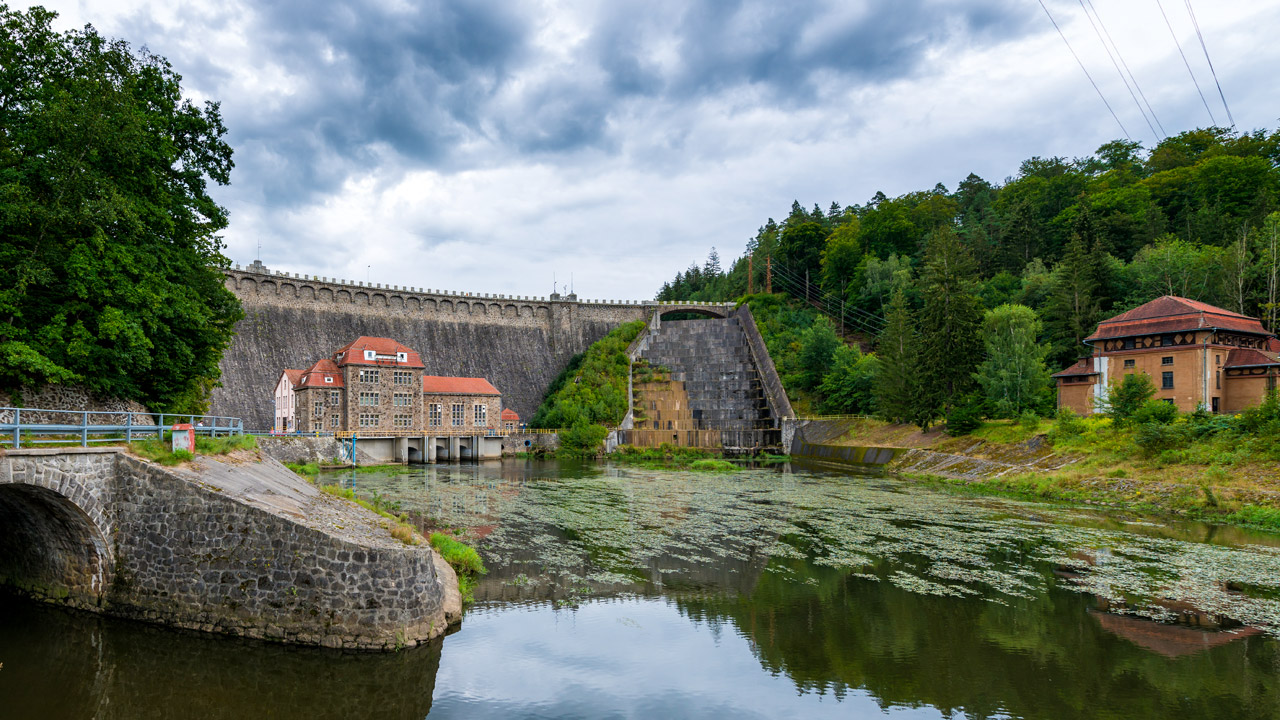
A historic dam with a small hydroelectric power plant. On the right we can see a spillway.
Throughout the year, the available flow rates at small hydropower plants may vary significantly. Therefore, their power output fluctuates as well, but these fluctuations are generally gradual and predictable, limiting sudden output changes in the grid.
With appropriate siting, design and operation, the environmental impacts of small hydroelectric power plants can be reduced. Measures such as maintaining environmental flows and providing fish passage can help limit their effects on river ecosystems.
10 pictures

10 pictures