




The Origin of Water Energy
3 min read
Water Cycle in Nature
Water Cycle in Nature.
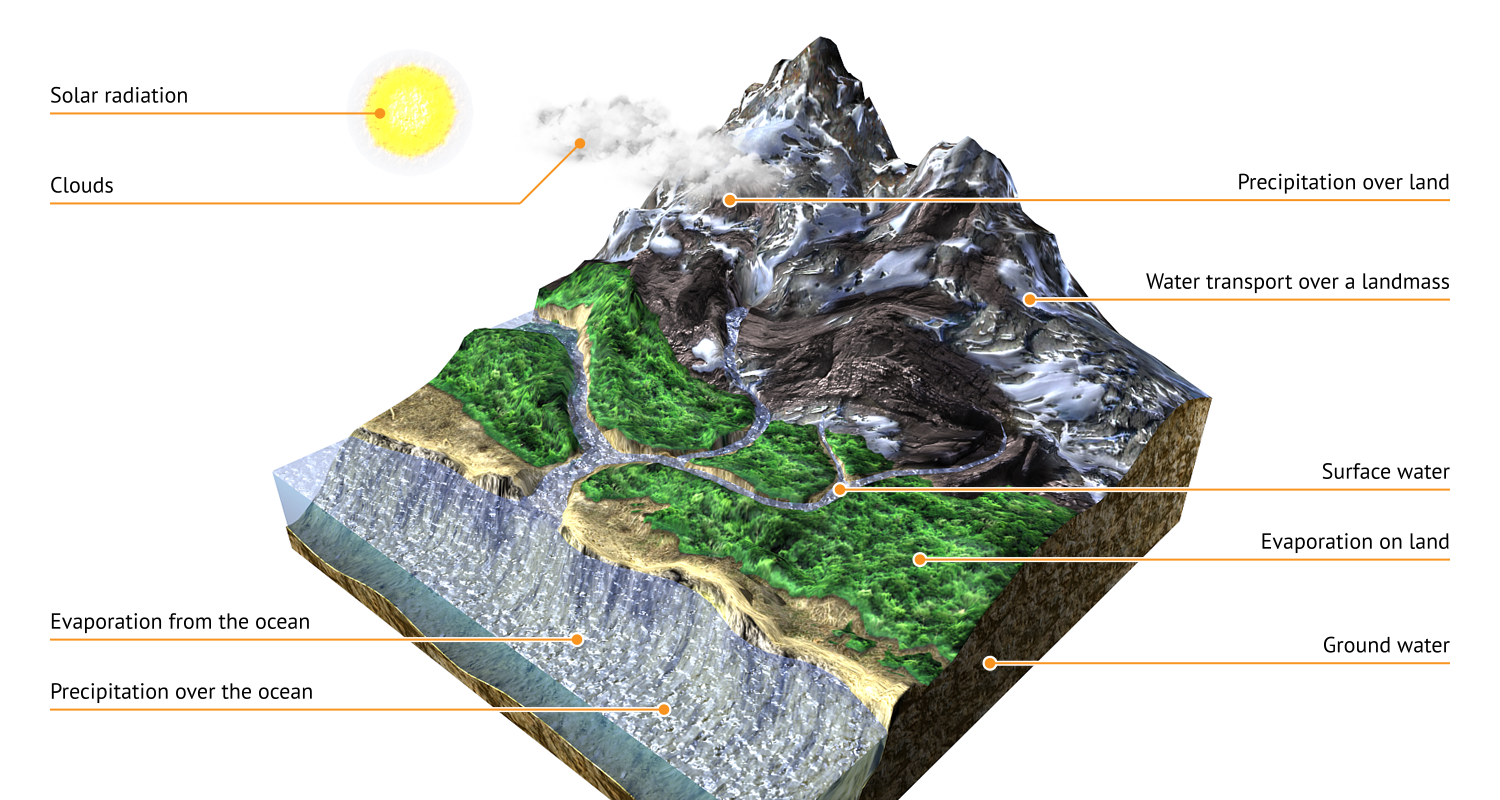
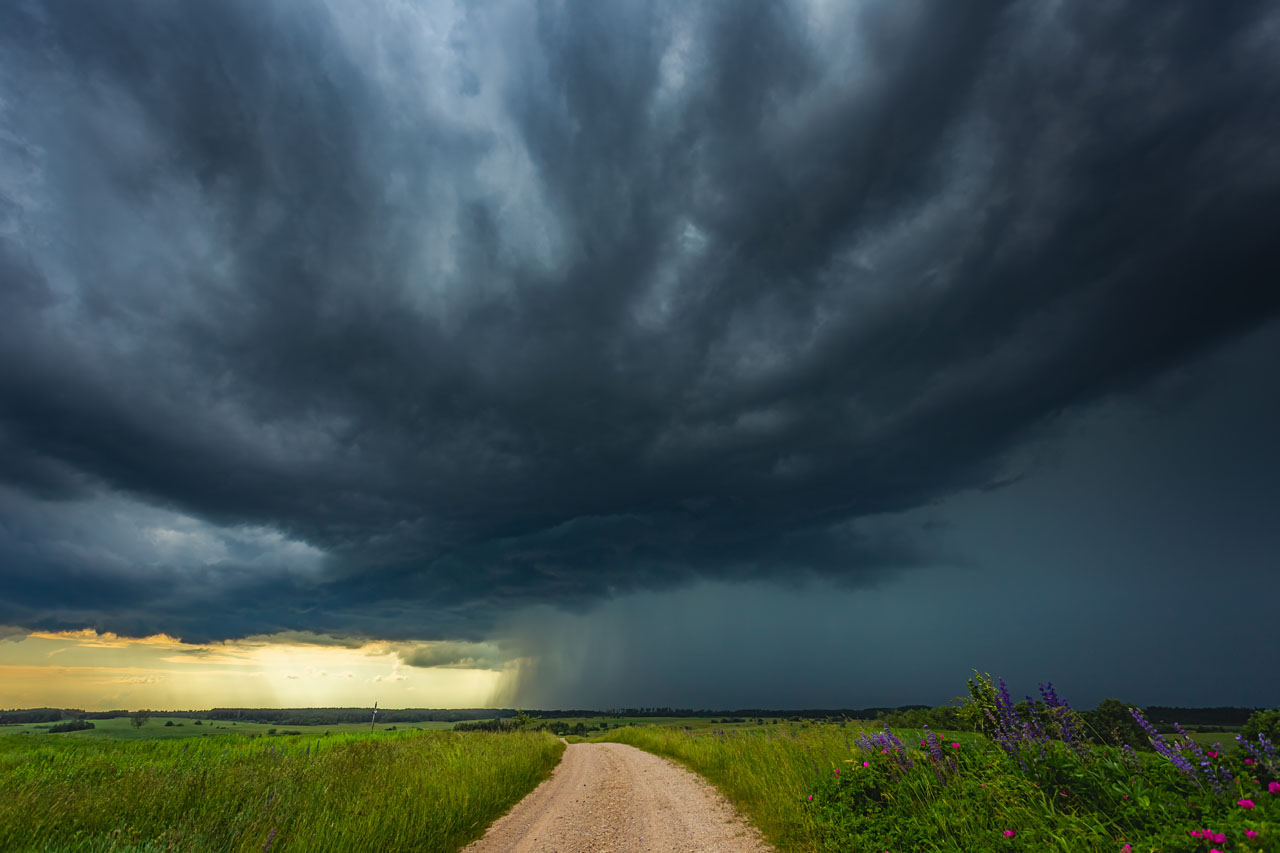
Hydropower is constantly renewed through the natural water cycle, driven primarily by energy from the Sun and gravity. Water continuously circulates through evaporation, atmospheric transport, condensation and precipitation, while gravity moves water from higher to lower elevations. Water also circulates through currents within the oceans.
The Source of Energy in Flowing Water
Solar radiation makes water evaporate from water bodies. The water vapour then moves over land where, when it is cooled, condenses and then falls to the ground as precipitation in the form of rain, snow or hail, thus acquiring tremendous potential energy relative to sea level.

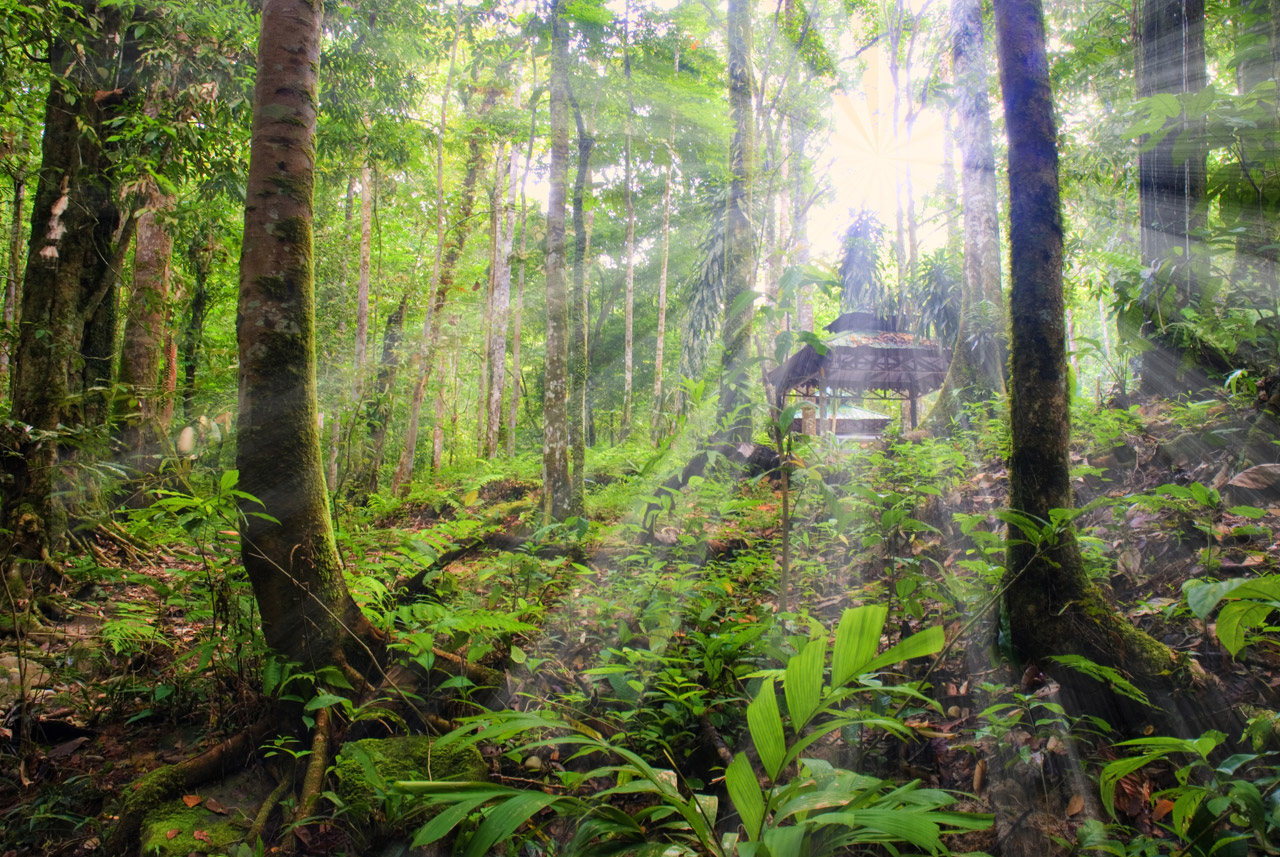
Water evaporation in a rain forest in Costa Rica.
The amount of precipitation and the terrain determine the hydropower potential of a geographic location. The more precipitation and the more mountainous a region is, the greater the potential of that region for obtaining energy from water. After falling to the ground, water from precipitation has a relatively high potential energy. Gravity forces the water to flow into valleys whereby the potential energy is turned into kinetic energy. If the path of the flowing water is blocked in a certain place, a part of its energy can be used for power production. Thus, water stored in hydroelectric power plant reservoirs transfers part of its mechanical energy to the turbines as it passes through them.
![Map of average annual precipitation worldwide [mm/year].](/data/web/img-water-energy/the-origin-of-the-water-energy/mapa-uhrnu-srazek.jpg "Map of average annual precipitation worldwide [mm/year].")
Map of average annual precipitation worldwide [mm/year].
Free Downloads › Images
In addition to harnessing watercourses on land, energy can also be obtained from seas and oceans. Energy can be captured from waves and ocean currents, while tidal power exploits differences in water level between high and low tide. Temperature differences between surface and deeper ocean waters can also be used to produce energy.

20 pictures

20 pictures
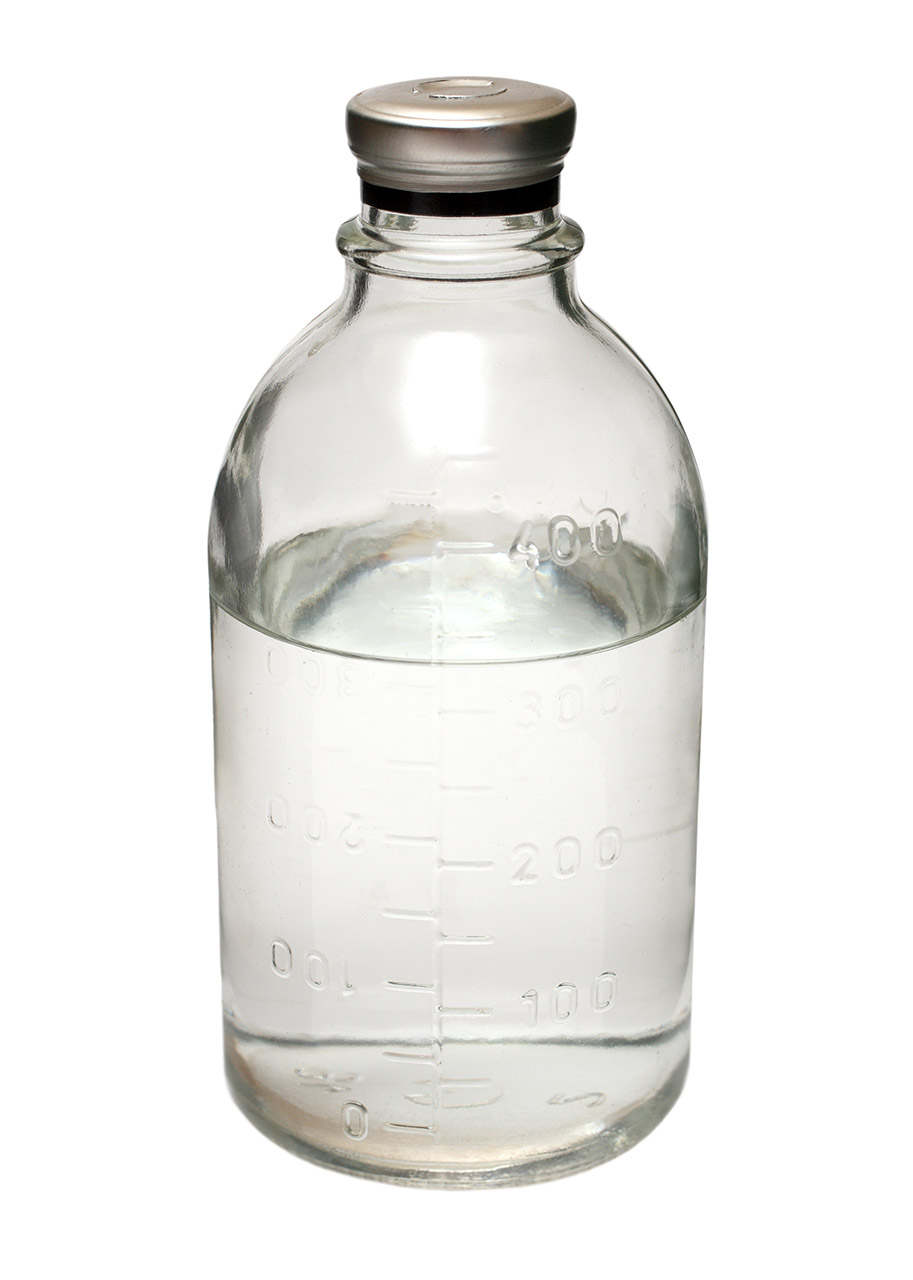
Heavy water (D2O), in which the hydrogen atoms are replaced by deuterium.
Deuterium in Water
Water contains small amounts of deuterium, a heavy isotope of hydrogen that can be used as fuel in thermonuclear fusion reactions.
Nuclear fusion is a process in which two light atomic nuclei combine to form a heavier nucleus, releasing a large amount of energy. For fusion energy research on Earth, the most readily achievable reaction is between deuterium and tritium, two isotopes of hydrogen. Deuterium accounts for approximately 0.0156 per cent of all hydrogen atoms on Earth. Tritium can be produced from lithium through reactions with neutrons and is expected to be bred in the blankets of future fusion reactors.
To advance research into thermonuclear fusion, the large experimental ITER tokamak is currently under construction in Cadarache, France. Under the updated project baseline, research operations are planned to begin in 2034, with deuterium-tritium operation scheduled to start in 2039. ITER is an experimental facility and will not generate electricity for the grid.
8 pictures
8 pictures
The deuterium contained in one litre of water could theoretically yield as much energy through fusion as burning 300 litres of petrol.