







Effects of Ionising Radiation
5 min read
Ionising radiation has sufficient energy to ionise matter as it passes through it. By removing electrons from atoms or molecules, it produces ions and can cause chemical and structural changes in the irradiated material.
Biological Effects
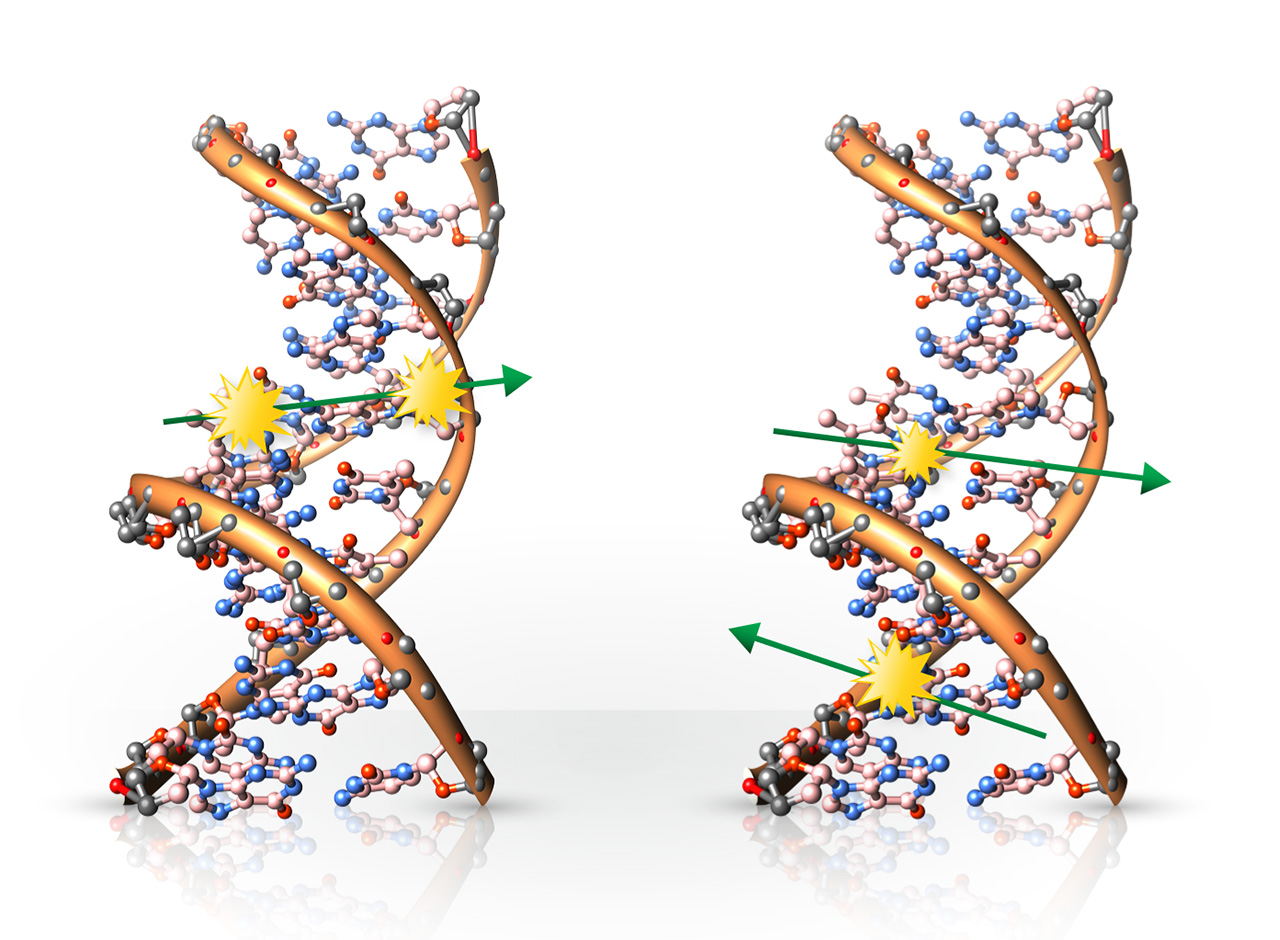
DNA damage caused by ionising radiation — one or both strands of the DNA double helix may be broken.
Ionising radiation passing through a living cell can damage or even kill it. The damage may be direct, when radiation interacts with DNA, or indirect, when radiation produces reactive free radicals that subsequently damage DNA.
Cells can repair many types of damage, including some single-strand DNA breaks. If the damage is too severe, the cell may die. The loss of a small number of cells generally has no significant effect on an organism. Incorrectly repaired or unrepaired DNA damage in a surviving cell may result in mutations and altered cell behaviour and can potentially contribute to the development of cancer.
At low doses and low dose rates, cells can repair much of the radiation-induced damage, and the risk of harmful effects is considerably lower than at high doses. However, even low doses may slightly increase the long-term risk of cancer. Some studies have suggested that low doses of radiation might stimulate protective biological responses, an effect known as radiation hormesis. However, this hypothesis remains scientifically controversial and is not used as a basis for radiation protection standards.
Very high radiation doses can cause extensive tissue damage, organ dysfunction and, at sufficiently high whole-body doses, death.
Technetium-99m (99mTc) is used in more than 30 million diagnostic nuclear medicine examinations worldwide each year.
Use of Biological Effects
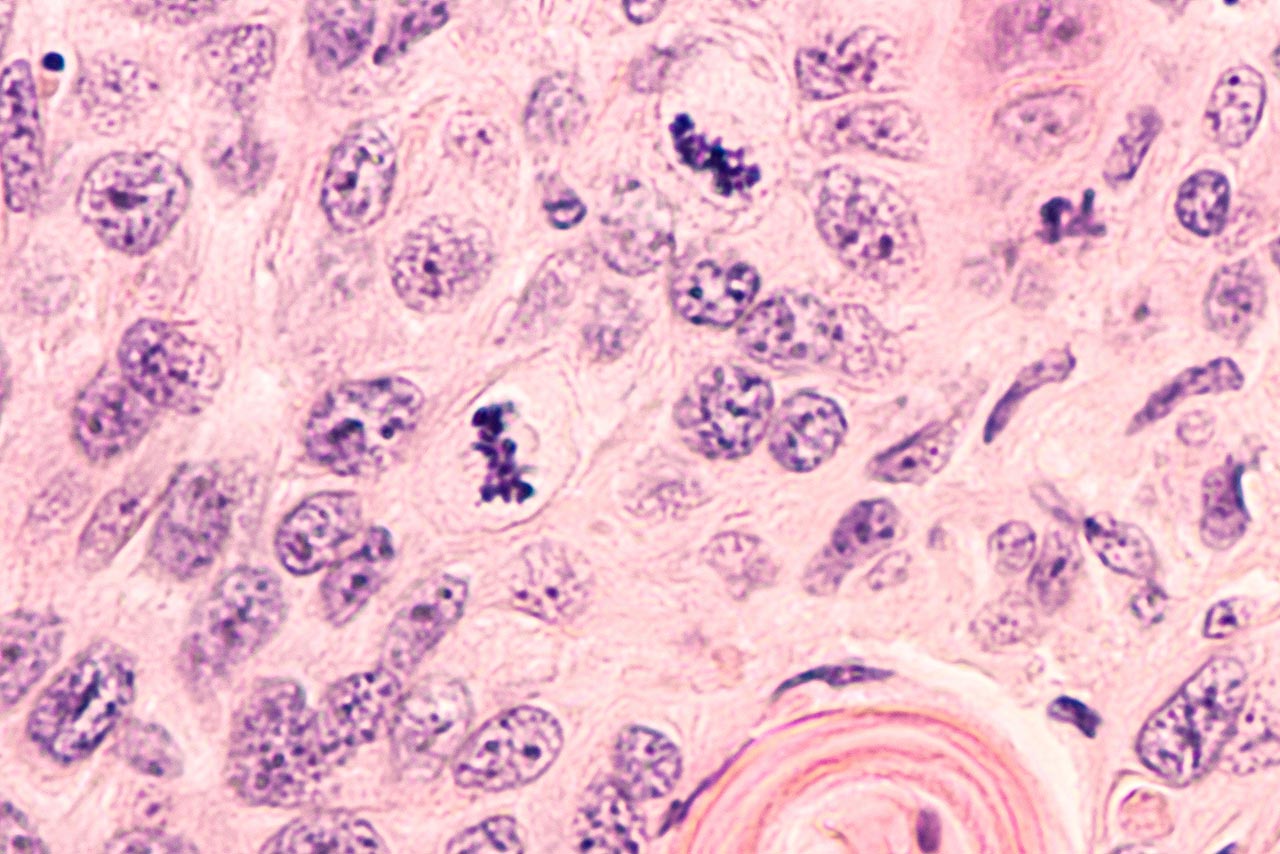
Microscopic image of cells damaged by a high dose of radiation.
Low-dose exposure to radon is used therapeutically in some spas, particularly in the treatment of rheumatic and musculoskeletal disorders. Clinical studies have reported beneficial effects, especially in reducing pain.
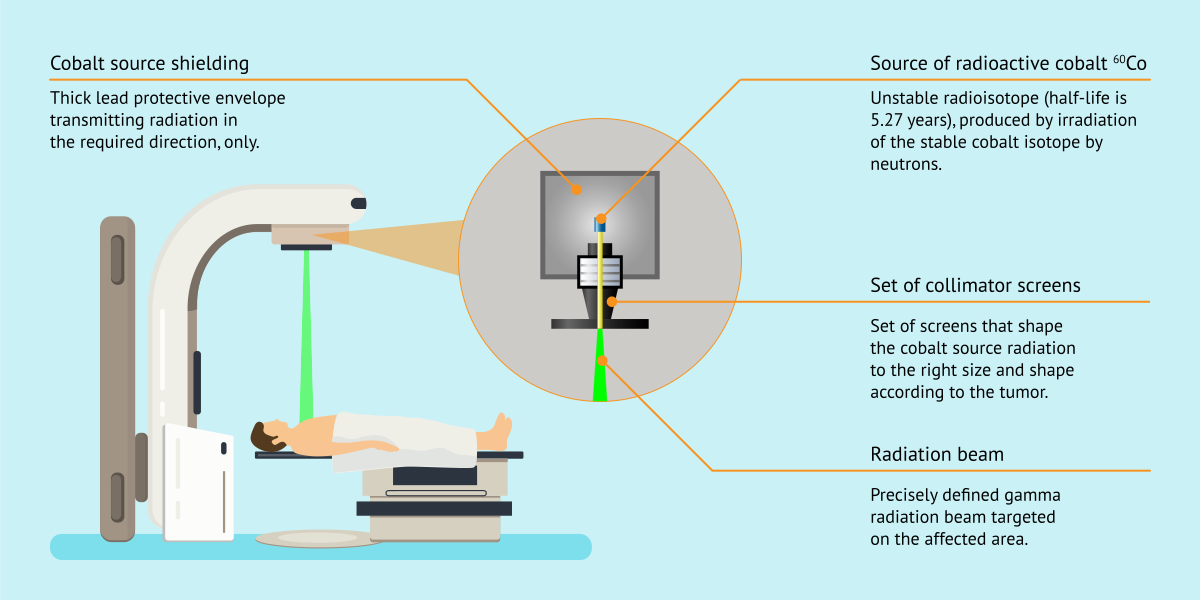
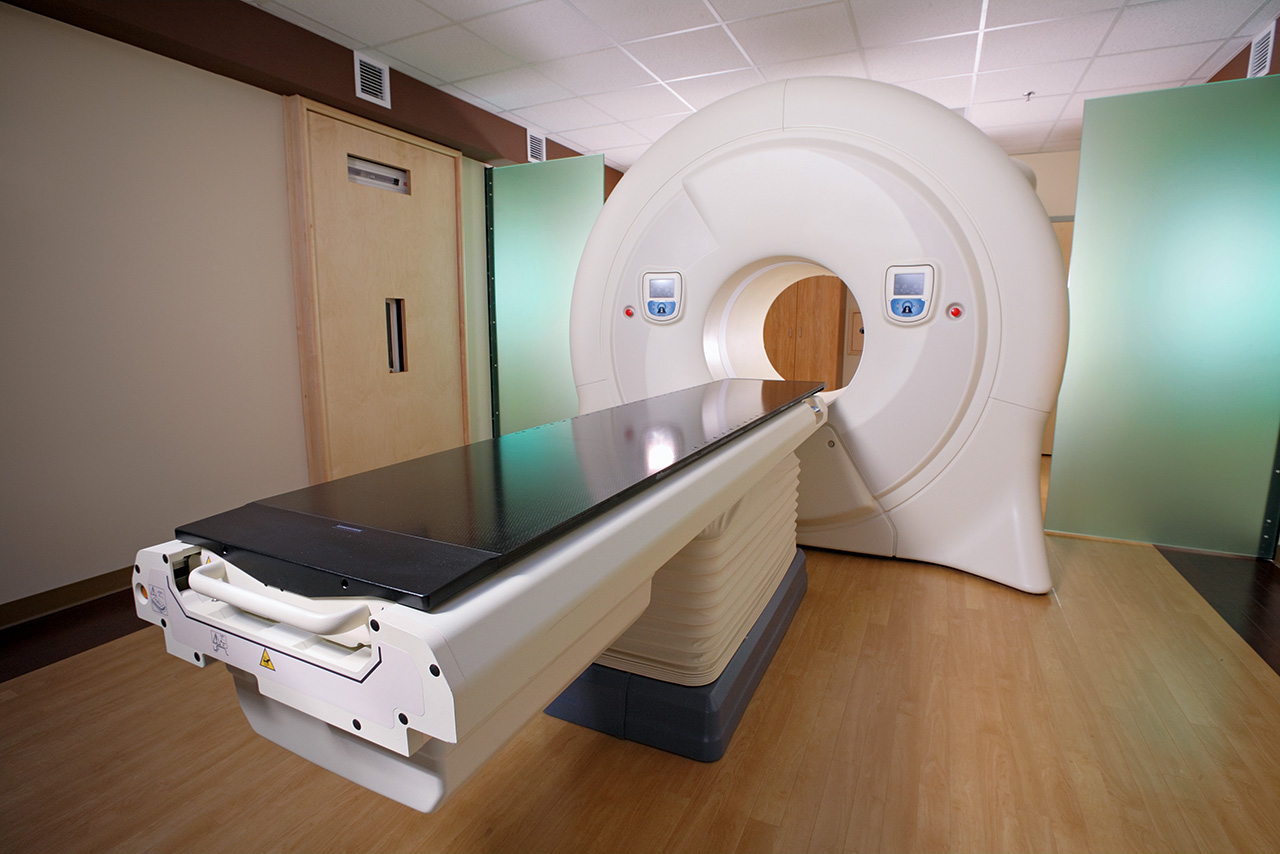
Much higher radiation doses are deliberately delivered to tumours in radiotherapy. Treatment is carefully planned to destroy cancer cells while limiting the dose to surrounding healthy tissues. Radiation may be delivered externally or by placing radioactive sources in or near the tumour (brachytherapy). Highly focused beams can also be directed at a target from multiple angles, as in the Leksell Gamma Knife.
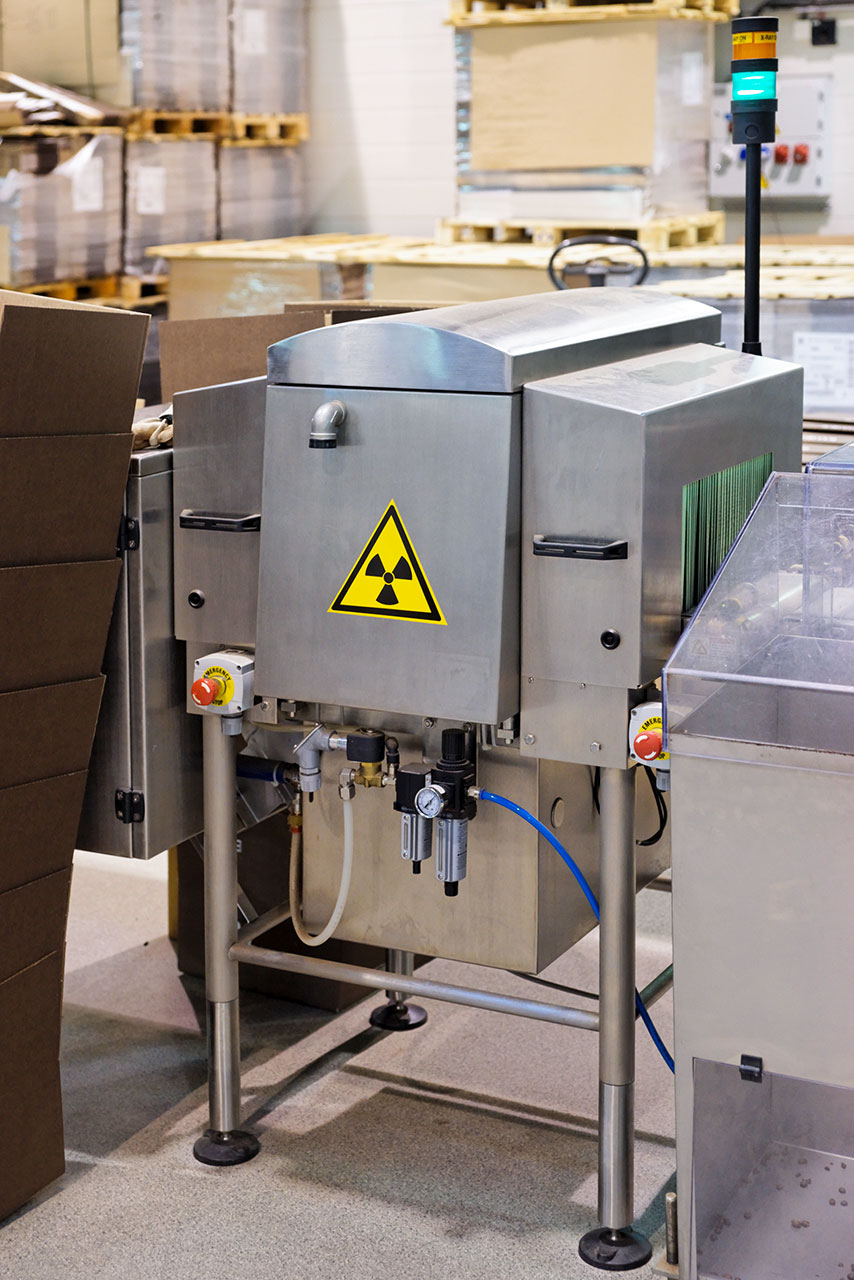
High radiation doses are also used to sterilise medical equipment and to irradiate certain foods. Irradiation can destroy microorganisms and pests, extend shelf life and inhibit sprouting in crops such as potatoes and onions. Ionising radiation can also be used to protect cultural heritage objects against insects and microorganisms without applying chemical treatments that might damage the objects.
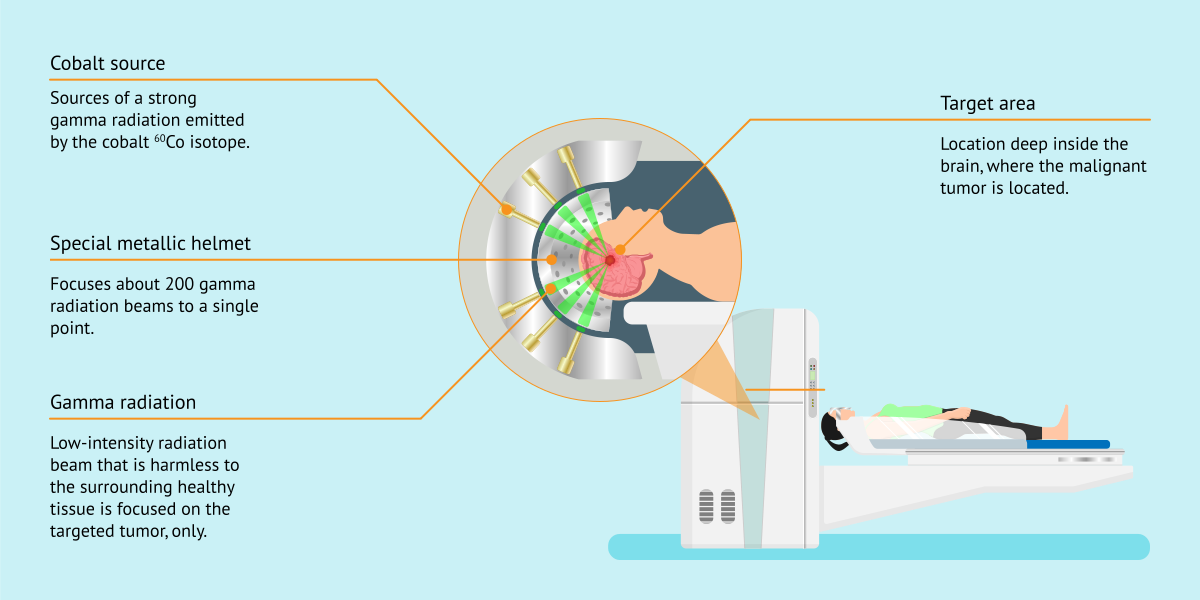
Principle of the Gamma Knife for targeted treatment of lesions in the brain.
Free Downloads › Images
Since the mid-20th century, radiation-induced mutations have been used in plant breeding to develop new crop varieties with desirable characteristics. Thousands of mutant varieties have been produced using irradiation and other mutagenic techniques. The red-fleshed, seedless “Rio Red” grapefruit is a well-known example of a variety developed using radiation-induced mutation.
Around one quarter of fruits and vegetables produced worldwide are lost between harvest and retail, partly because of their high perishability.
Material Effects and Their Uses
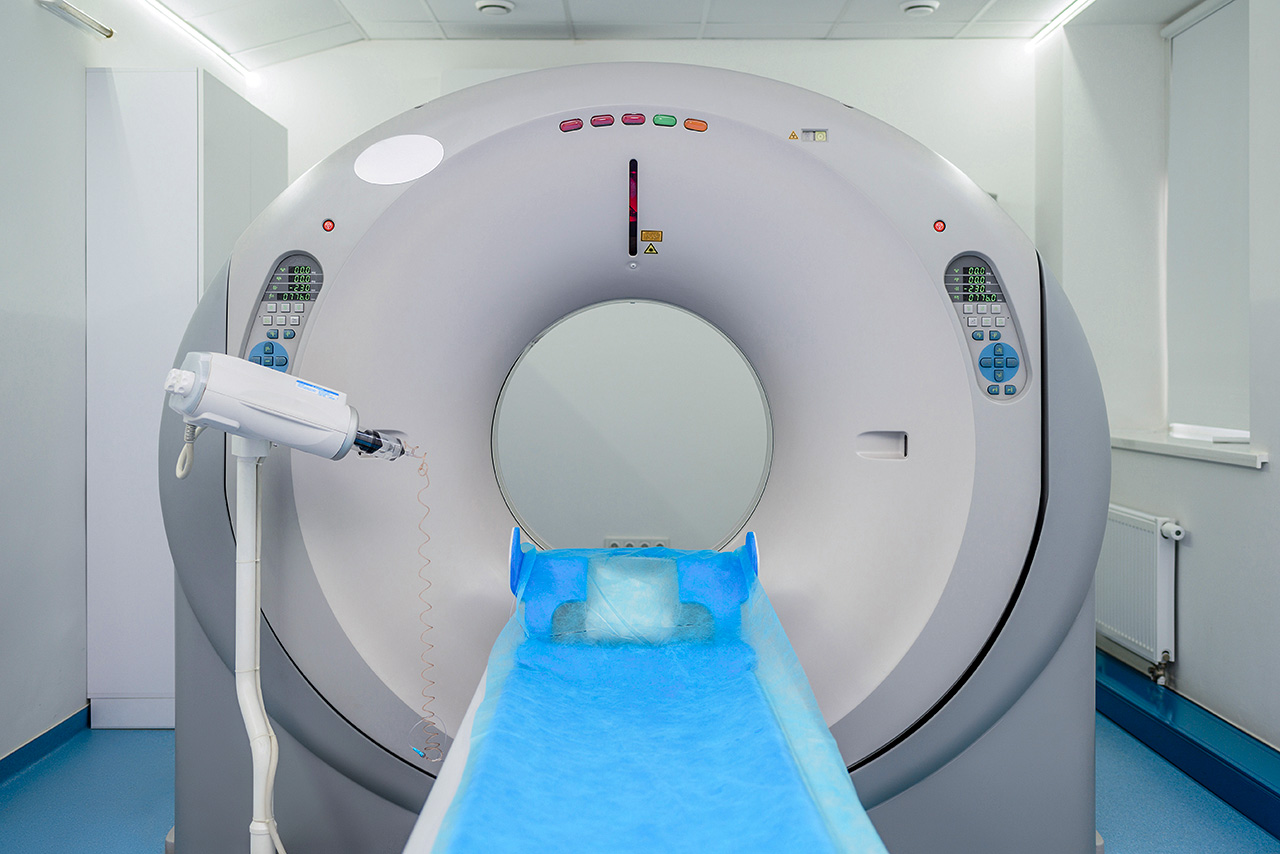
Detail of the sliding table of a computed tomography (CT) scanner at a cancer treatment centre.
Ions, excited molecules and free radicals produced in irradiated materials can be highly reactive and may cause a wide range of chemical and structural changes. When carefully controlled, irradiation can therefore be used to modify the physical, chemical, electrical and other properties of materials.
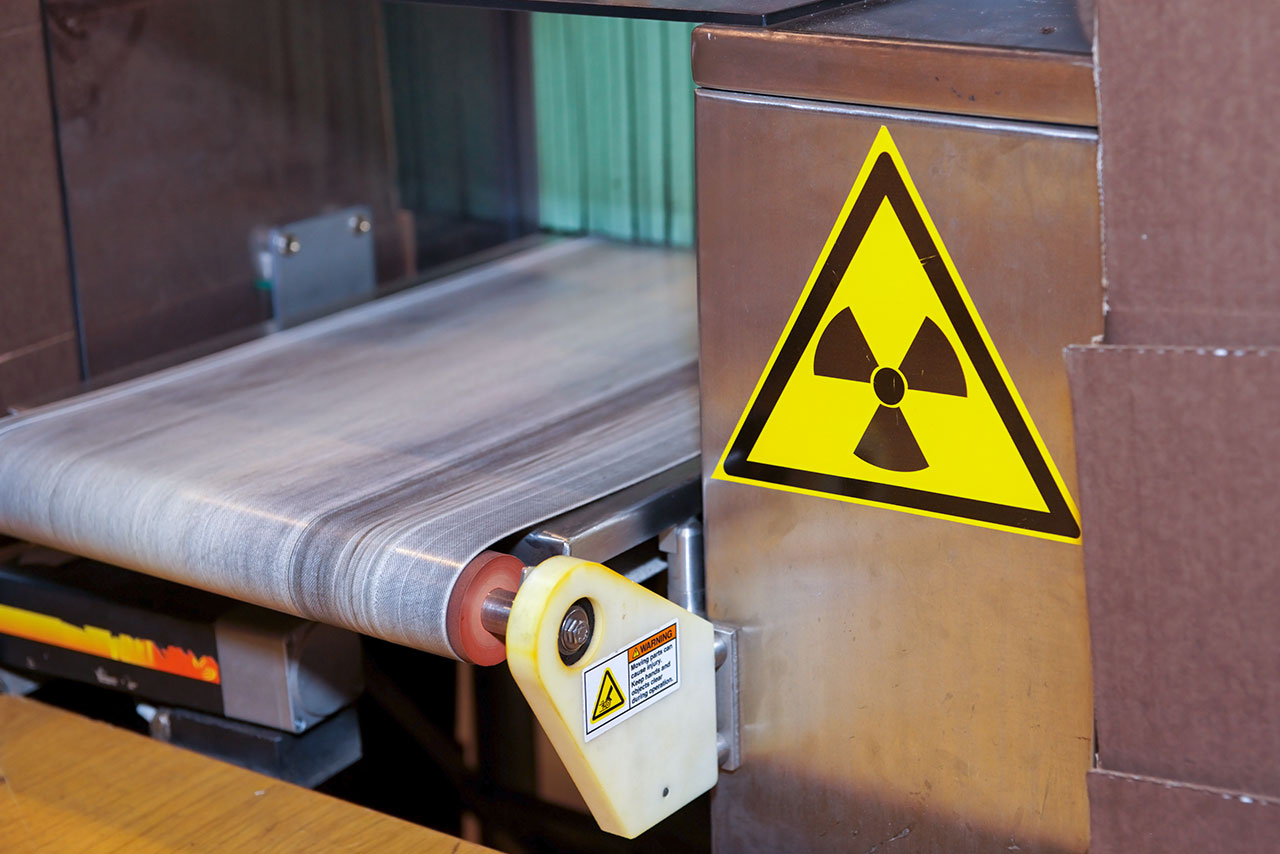
Radiation processing is used to initiate polymerisation, cross-link polymers, produce polymer foams and modify the properties of rubber and other materials. It can also be used to cure coatings and adhesives, modify textile properties and manufacture composite materials. These processes can produce materials with useful properties while reducing or eliminating the need for some chemical additives. Irradiation can also change the colour of glass by creating colour centres within its structure.
In semiconductor materials, irradiation can be used to modify electrical properties such as charge-carrier lifetime. Neutron irradiation is also used in the production of high-purity, uniformly doped silicon for specialised semiconductor applications. Radiation cross-linking of polymers such as polyethylene is also used in the manufacture of heat-shrinkable products, which return towards a predetermined shape when heated.
6 pictures

6 pictures
Radioactive static eliminators containing small amounts of polonium-210 were once used in some equipment handling paper and photographic film to reduce static electricity.
Fast neutrons can gradually embrittle the steel of a reactor pressure vessel. Reactor vessels are therefore made from carefully selected steels, and changes in their mechanical properties are monitored throughout the operating life of the plant.