


RBMK Type Reactor
2 min read
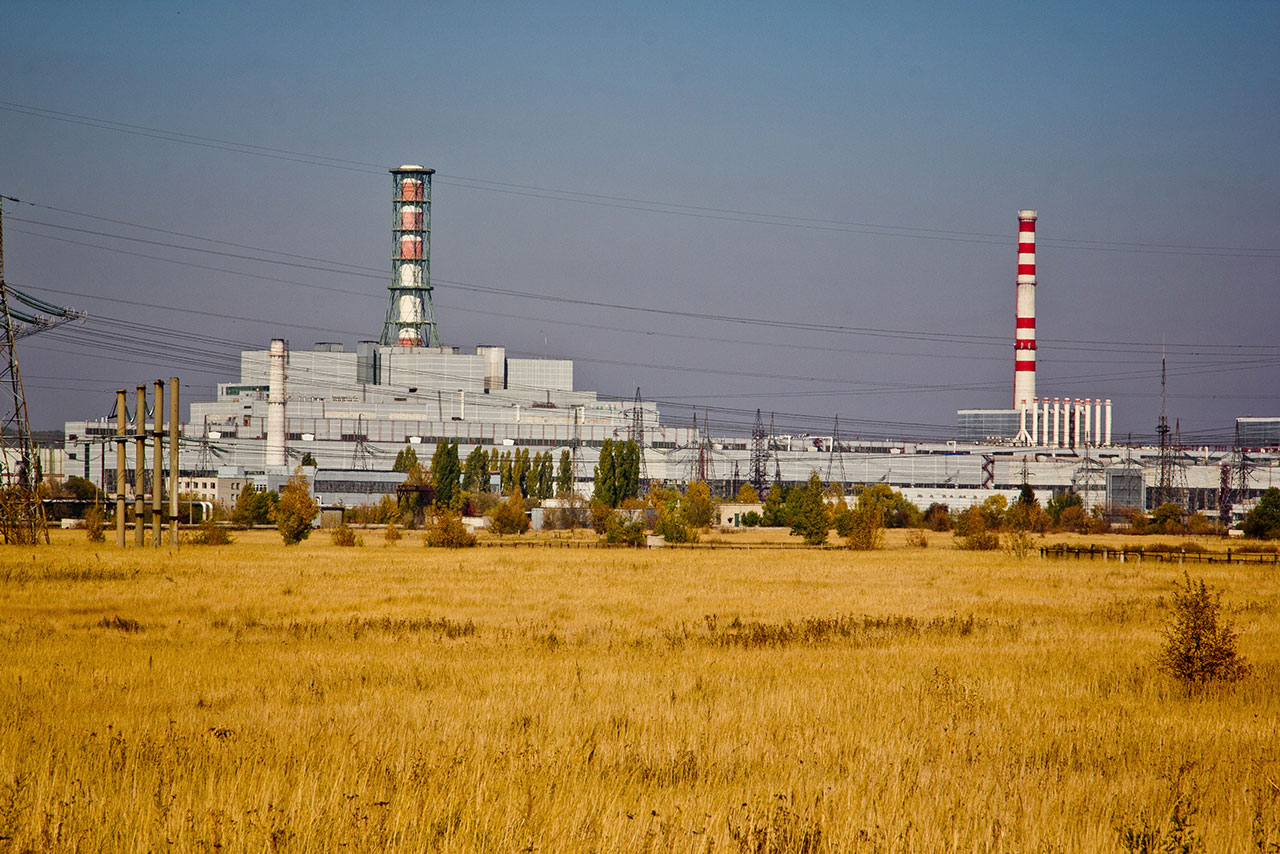
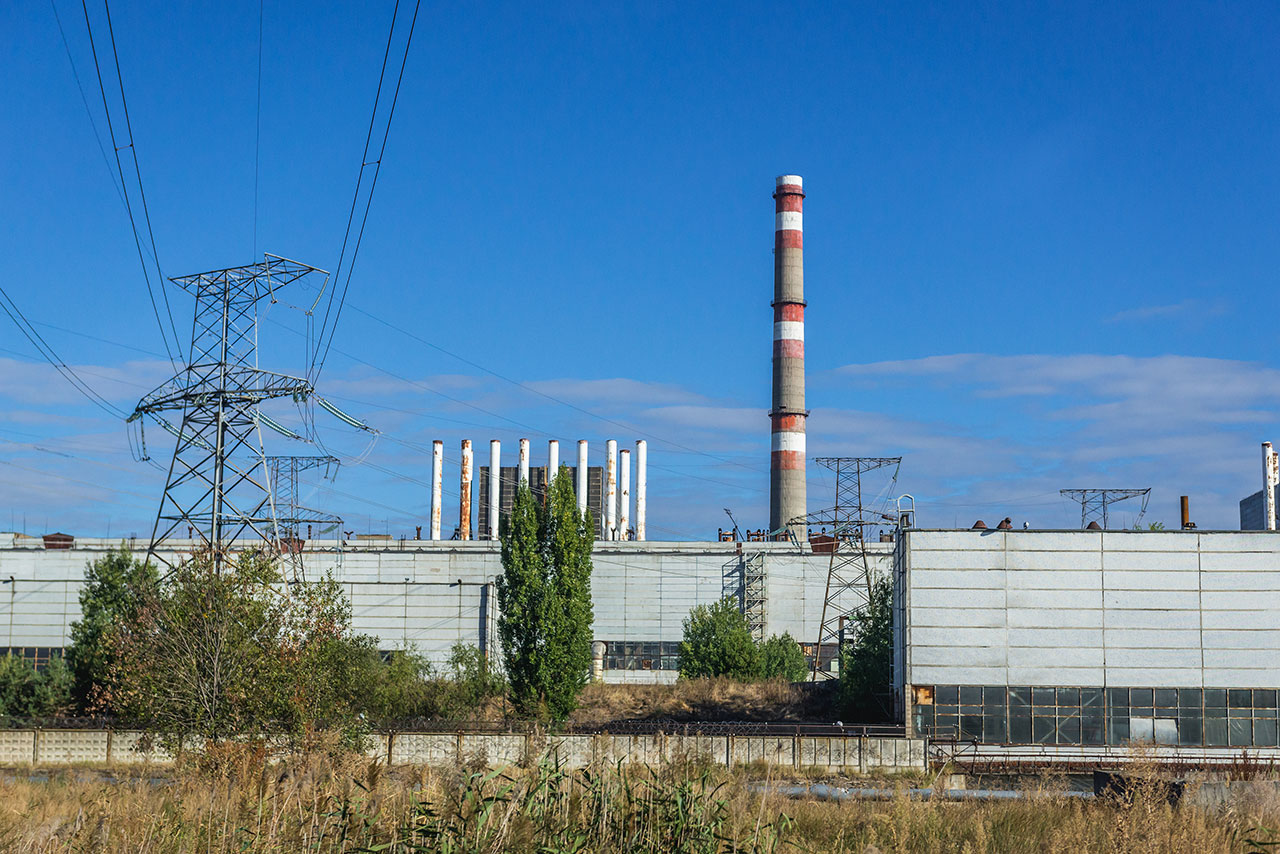
The Kursk Nuclear Power Plant in western Russia was built with four RBMK-1000 reactors. The two oldest units have been permanently shut down, while Units 3 and 4 remain in operation.
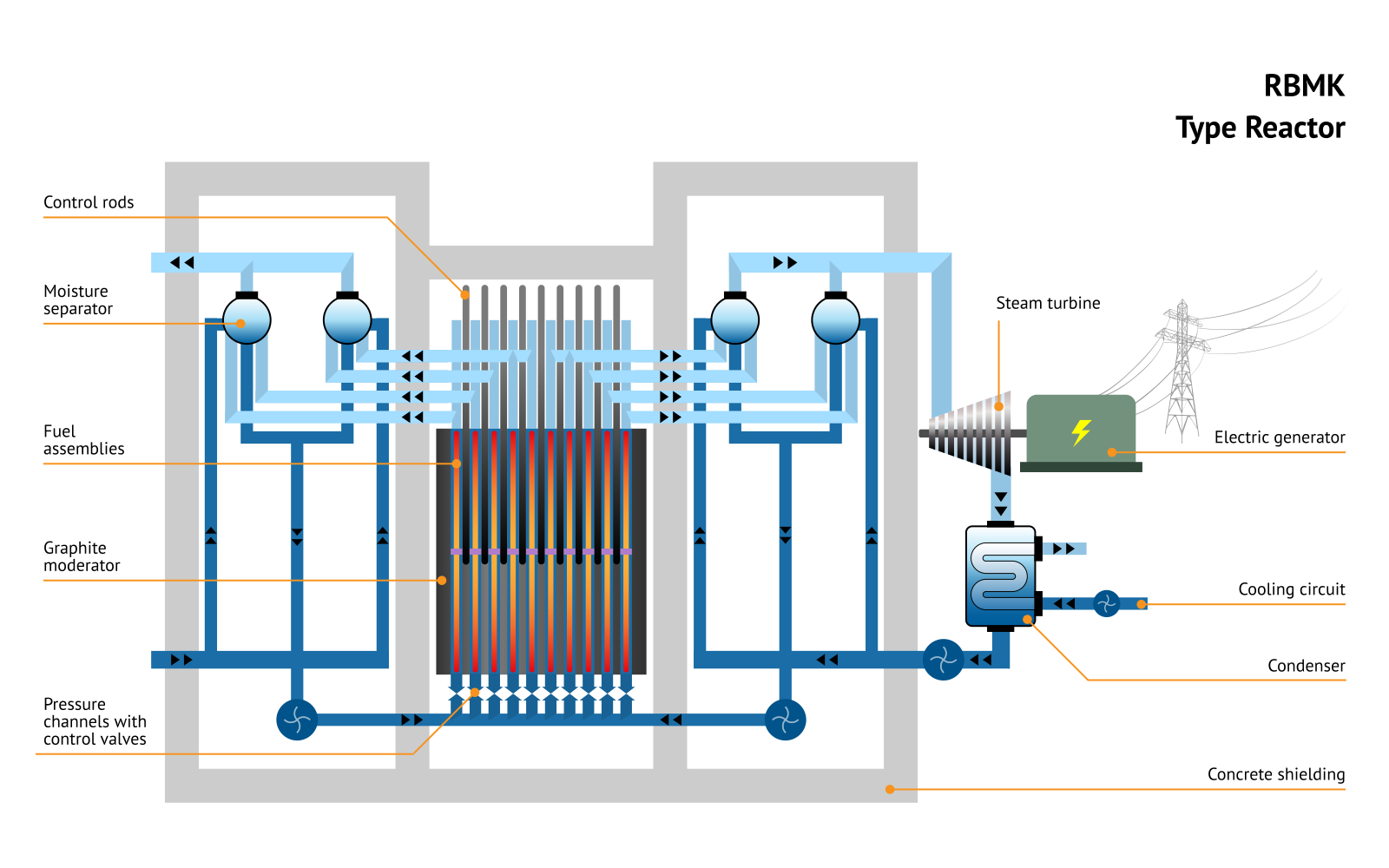
The RBMK (reaktor bolshoy moshchnosti kanalnyy, or high-power channel-type reactor) was developed in the Soviet Union and was never constructed outside it. Its design evolved from earlier Soviet graphite-moderated, water-cooled channel reactors developed in connection with plutonium-production technology. Today, RBMK reactors remain in operation only in Russia, and no new units are being constructed.
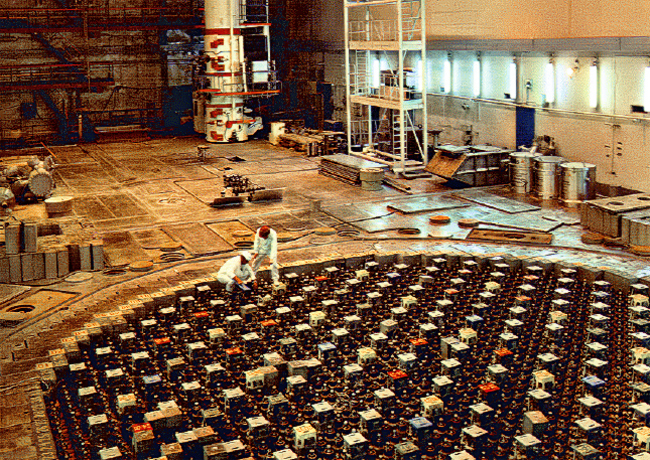
Slightly enriched uranium, with an enrichment of up to about 2.8%, is used as fuel. Fuel rods approximately 3.65 metres long are grouped in sets of 18 to form fuel bundles. Two fuel bundles form a fuel assembly approximately 10 metres long, which is inserted into an individual pressure channel. An RBMK-1000 core contains 1,661 fuel channels and is approximately 11.8 metres in diameter and 7 metres high. Unlike most Western power reactors, the RBMK does not have a single pressure vessel surrounding the reactor core; instead, each fuel channel forms part of the pressurised coolant system. RBMK reactors can be refuelled while operating.
Graphite blocks surrounding the fuel channels are used as the moderator. Light water flowing upwards through the pressure channels is used as the coolant and boils directly inside them. The coolant pressure is about 7 MPa and its temperature is approximately 285 °C when leaving the core. The steam-water mixture is passed through steam separators, and the separated steam is supplied directly to a turbine. An RBMK nuclear power plant therefore uses a single-circuit arrangement.
3 pictures
3 pictures
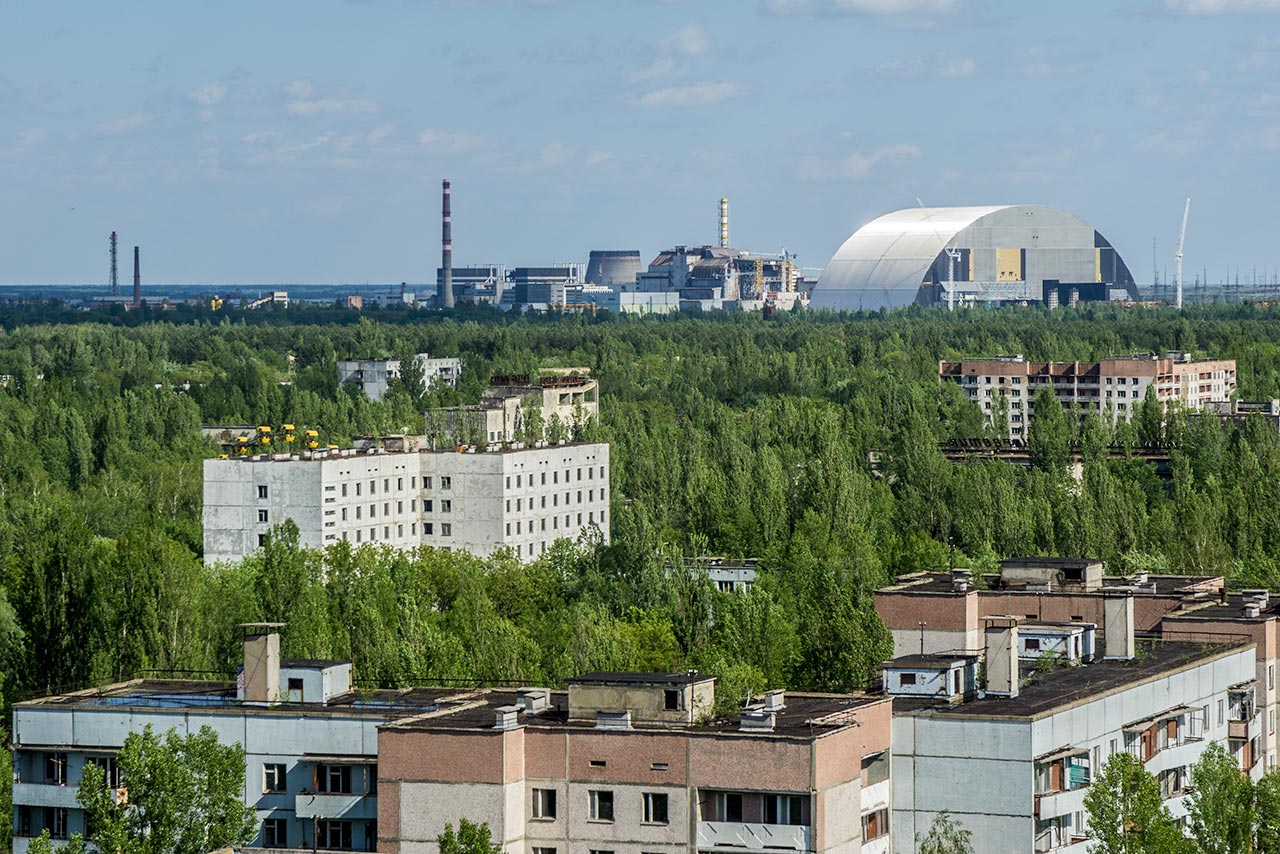
The best-known RBMK reactor was Unit 4 of the Chernobyl Nuclear Power Plant in Ukraine, which was destroyed in 1986 in the worst accident in the history of commercial nuclear power. The accident resulted from a combination of serious reactor design deficiencies and actions taken by the operating staff during a safety test.