







Solar Energy and the Environment
2 min read
Environmental Impact of Solar Power Plants
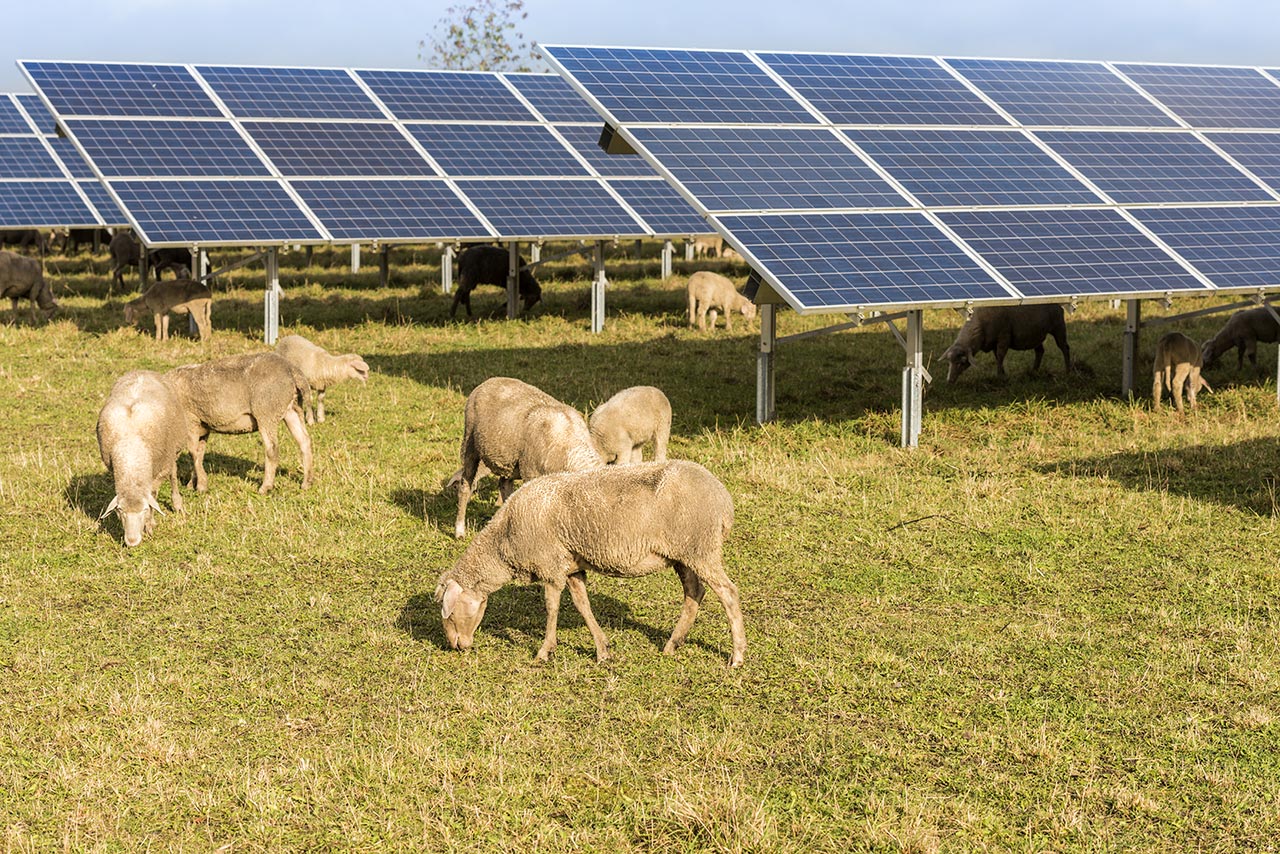
Photovoltaic power plants can be combined with sheep grazing, allowing the land to be used for both electricity generation and agriculture.
The environmental impact of electricity generation is an important consideration. Humanity needs increasing amounts of energy while also protecting the environment and using natural resources responsibly. Solar energy is a renewable energy source with relatively low environmental impacts, particularly during operation.
A photovoltaic farm generates electricity without fuel combustion and produces no direct air pollutants or greenhouse gas emissions during operation. Its environmental impacts occur mainly during the manufacture of solar panels and other components, construction of the plant and management of equipment at the end of its service life. Large ground-mounted installations can also occupy considerable areas of land and affect local habitats. Despite these impacts, the life-cycle greenhouse gas emissions of photovoltaic electricity are much lower than those of electricity generated from fossil fuels.
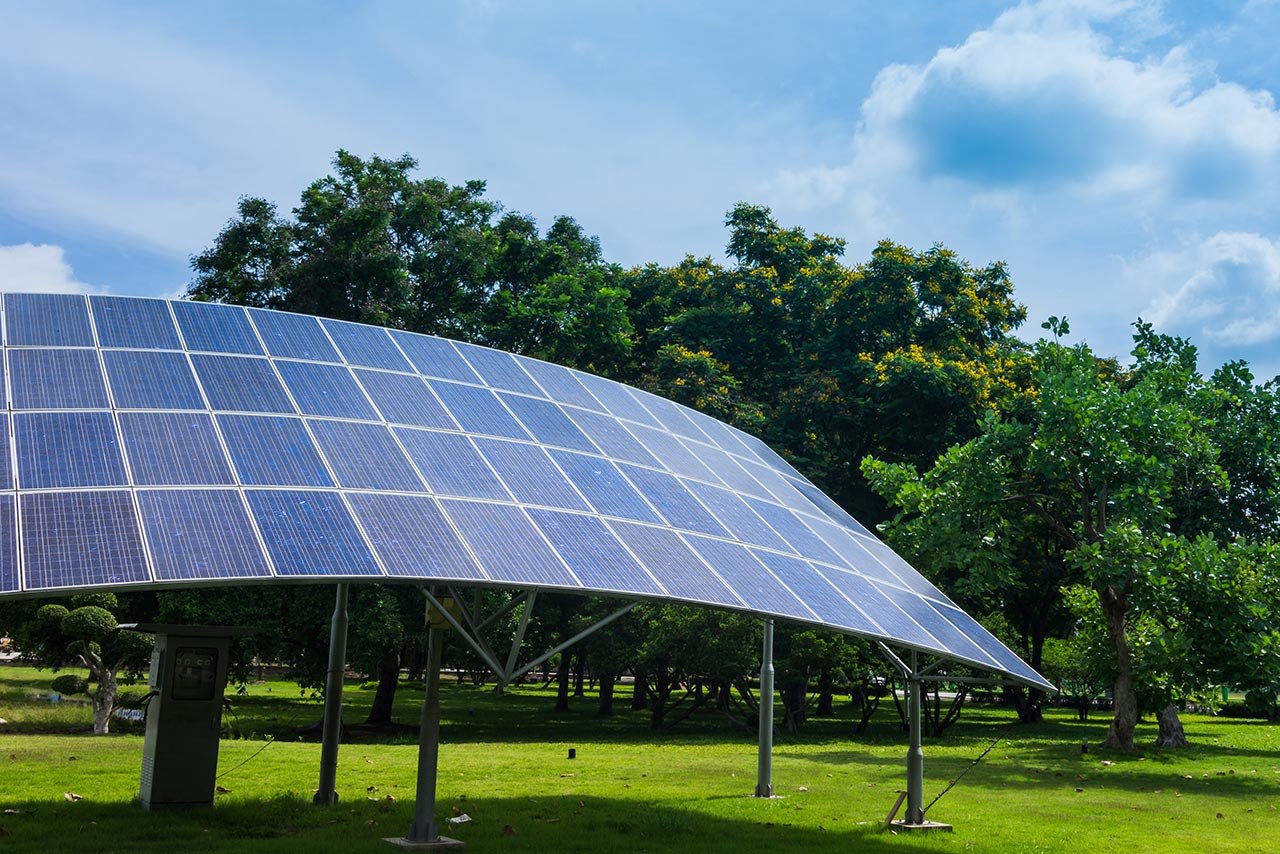
Solar energy is a renewable energy source with relatively low environmental impacts.
Many solar thermal power plants use a conventional Rankine cycle similar to that employed in fossil-fuel and nuclear power plants, but obtain the heat required for steam generation from concentrated solar radiation. Mirrors concentrate sunlight onto an absorber, where it heats a working fluid. Because no fuel is burnt to produce this heat, the plant generates electricity without direct combustion-related air pollutants or greenhouse gas emissions.
“The relatively low environmental impact and virtually inexhaustible nature of its energy source are among the principal advantages of solar energy.”

Photovoltaic panels can be integrated into the design of modern buildings.