




External Hazards
5 min read
The safe operation of a nuclear facility depends on the quality of its design, control and safety systems, as well as on proper operation and maintenance. These measures minimise the probability and consequences of a serious accident. However, a nuclear power plant may also be affected by external hazards. These include natural events as well as human-induced events originating outside the plant, and the facility must be designed and operated to withstand their effects.
Terrorism
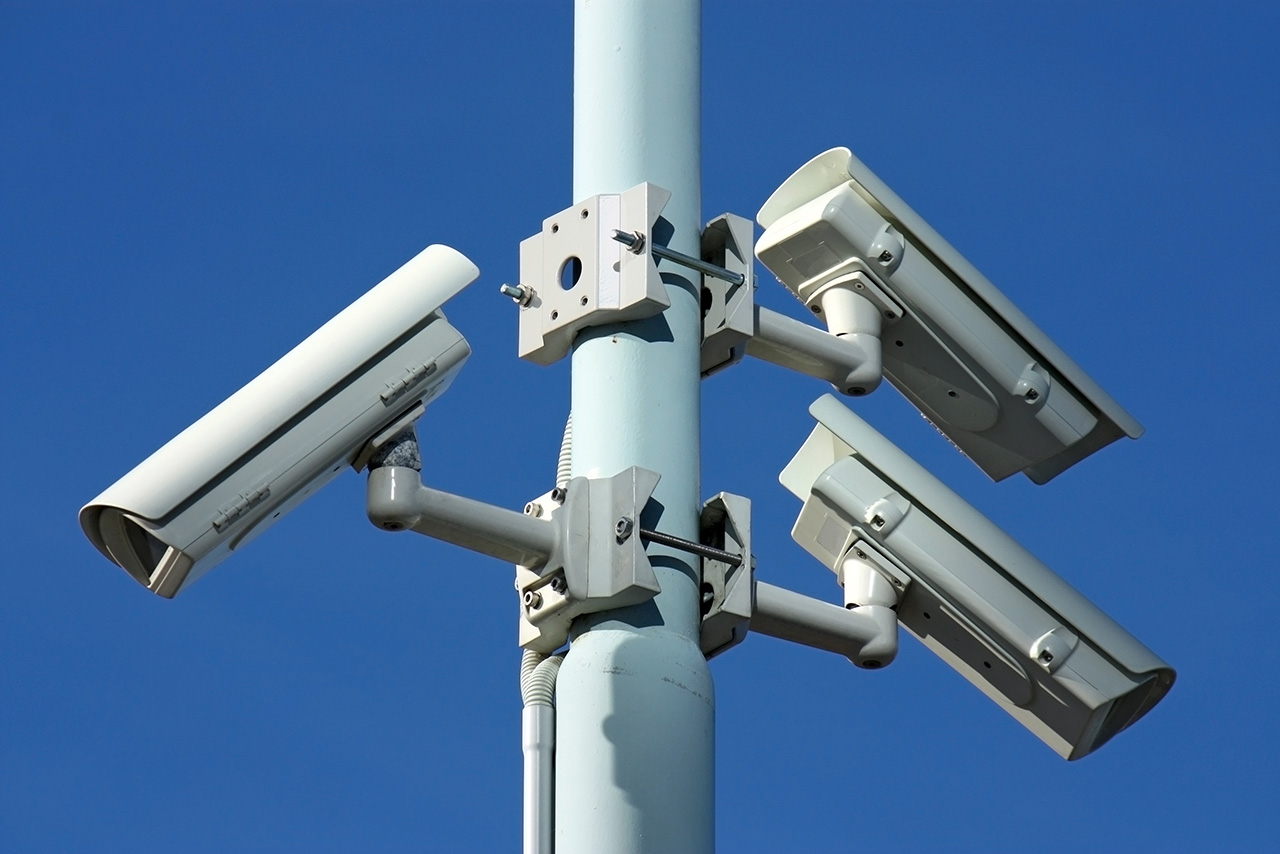
The security service protecting a nuclear power plant has dozens of security cameras at its disposal, allowing continuous monitoring of the plant site.
Nuclear power plants are protected by multiple layers of physical security designed to prevent unauthorised access, theft of nuclear material and sabotage. Access to sensitive areas is strictly controlled, and facilities employ surveillance, intrusion detection, access control and other security measures. Biometric identification, including fingerprint recognition, may also be used.
Airspace around nuclear power plants may also be subject to restrictions. In addition, plant structures and safety systems are designed or protected against relevant external hazards, which may include aircraft impact. Modern reactor designs incorporate particularly robust protection against such events.
Nuclear material is subject to strict accounting and control. IAEA safeguards provide independent verification that nuclear material placed under safeguards is not diverted from peaceful uses, while physical protection against theft and sabotage is the responsibility of individual States and facility operators.
The Human Factor
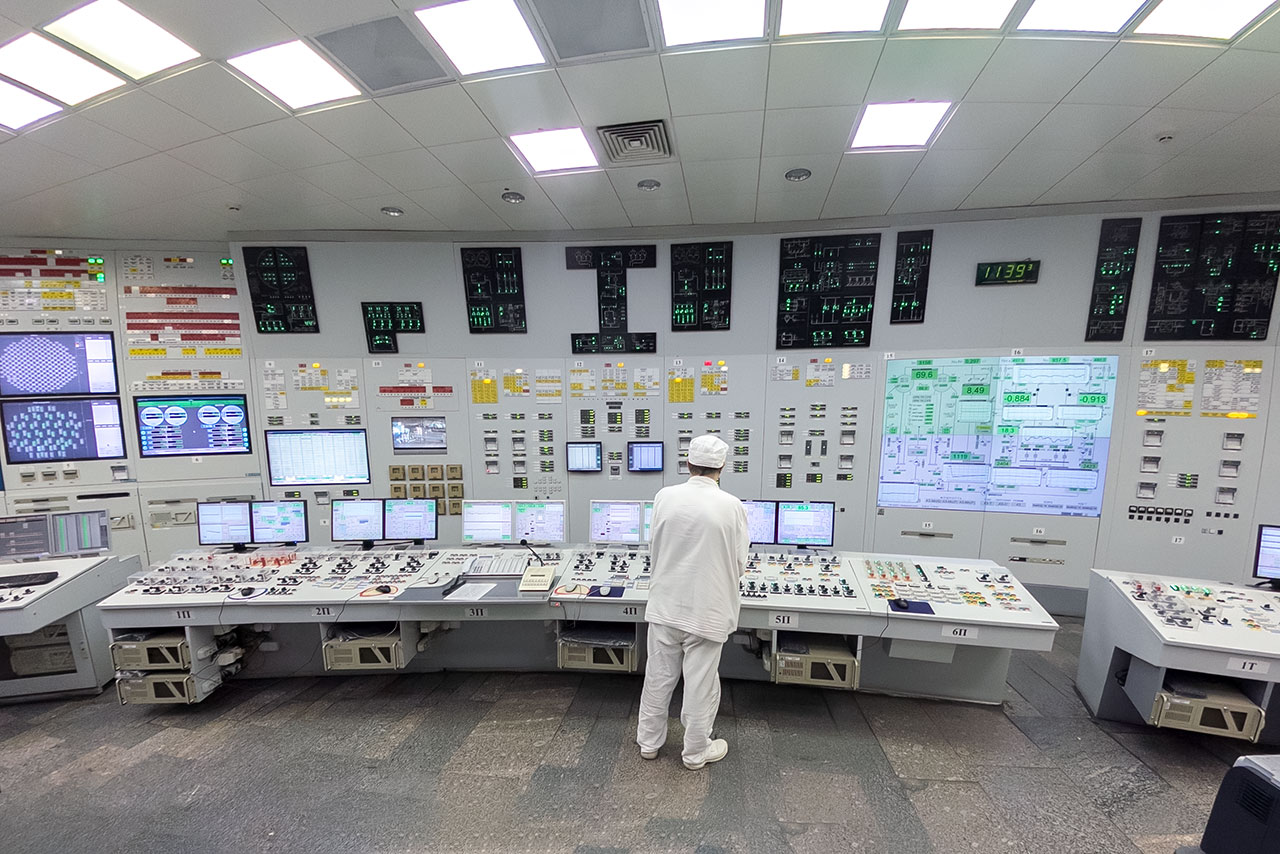
Control rooms combine instrumentation, control systems and operator expertise to ensure the safe operation of a nuclear power plant. Newer plants increasingly integrate these functions into digital monitoring and control systems.
Experience from past nuclear accidents has shown that human and organisational factors can play an important role in nuclear safety. Incorrect operator actions, inadequate procedures, insufficient training or poor safety culture can contribute to an accident, particularly when combined with equipment failures or unexpected conditions.
Plant designers take human factors into account so that the likelihood of operator error is reduced and individual errors do not lead directly to serious consequences. Automation, interlocks, operating procedures, passive safety systems and inherent reactor characteristics all contribute to this goal.
Great attention is paid to operator training, competence and fitness for duty. Nuclear power plant operators must understand the physical principles and operation of the plant and be able to respond correctly and responsibly to abnormal and emergency conditions.
Natural Hazards
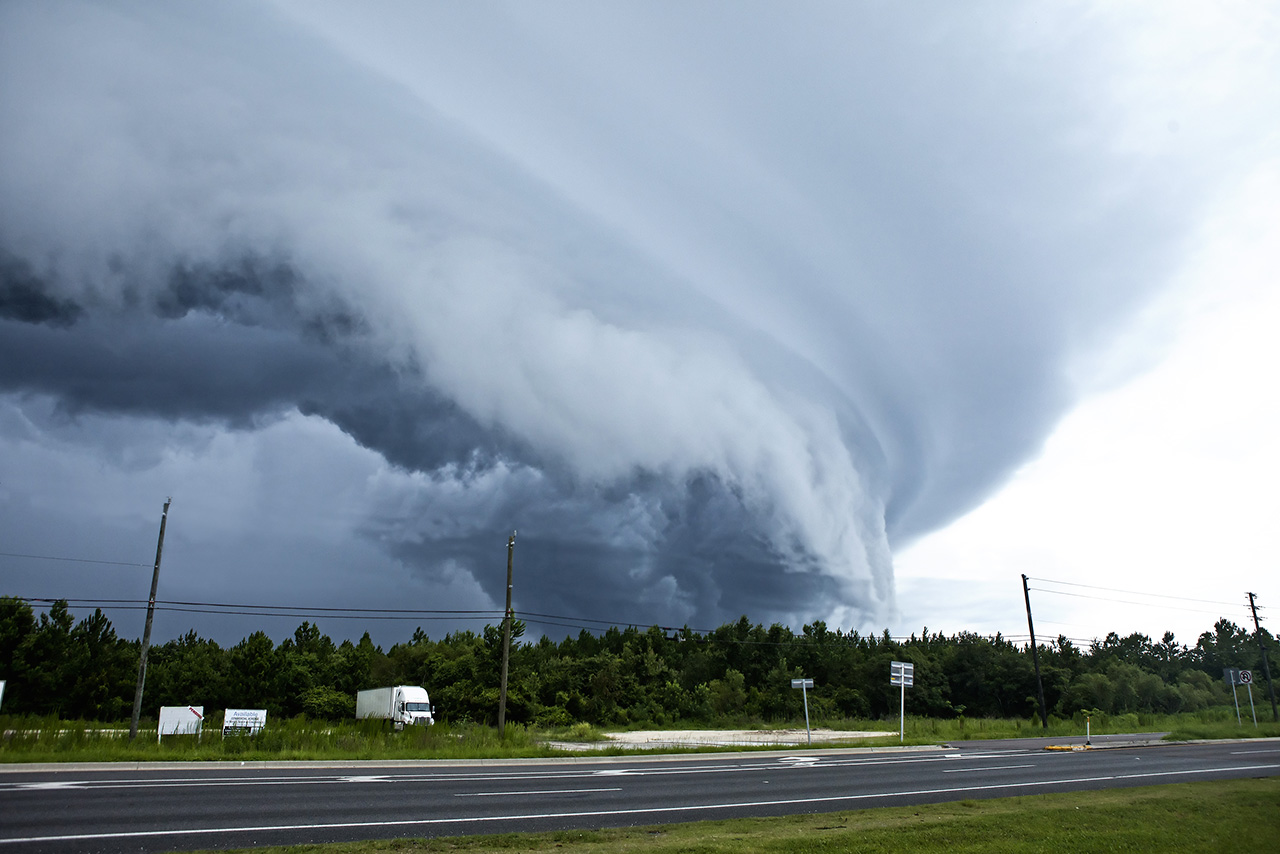
If a nuclear power plant is located in an area exposed to hurricanes or tornadoes, its structures and safety systems must be designed to withstand the extreme winds, pressure effects and flying debris associated with such events.
Earthquakes, hurricanes, floods, tsunamis and other natural hazards can affect nuclear power plants. Such hazards are carefully assessed when selecting and evaluating a plant site. Where they cannot be avoided, the plant must be designed with adequate protection against the levels of natural hazards that could credibly occur at the site, including appropriate safety margins.
Nuclear power plants in seismically active regions are specifically designed to withstand earthquakes. Seismic hazards are evaluated individually for each site, and safety-related structures, systems and components are designed and qualified accordingly. Seismic monitoring systems detect ground motion and may initiate protective actions, including reactor shutdown. Ground acceleration is often expressed in Gal, where 1 Gal equals 1 cm/s2; gravitational acceleration (1 g) is approximately 981 Gal.
Coastal nuclear power plants may be exposed to tsunamis and storm surges. The potential for coastal flooding is therefore assessed as part of site evaluation and plant design. Protection may include elevated safety-related equipment, seawalls and other flood barriers, watertight structures and additional provisions to maintain essential safety functions if flooding occurs.

The control room serves as the operational centre of a nuclear power plant, where operators monitor plant systems and ensure their safe and reliable operation.

Many nuclear power plants use fingerprint readers or other biometric identification systems at the entrances to secure areas. Each authorised individual is granted access only to specifically designated areas according to their duties and access permissions.
Nuclear power plants are assessed not only for earthquakes and floods, but also for external hazards such as extreme weather, fires, explosions and aircraft crashes.