







International Nuclear Organizations
5 min read
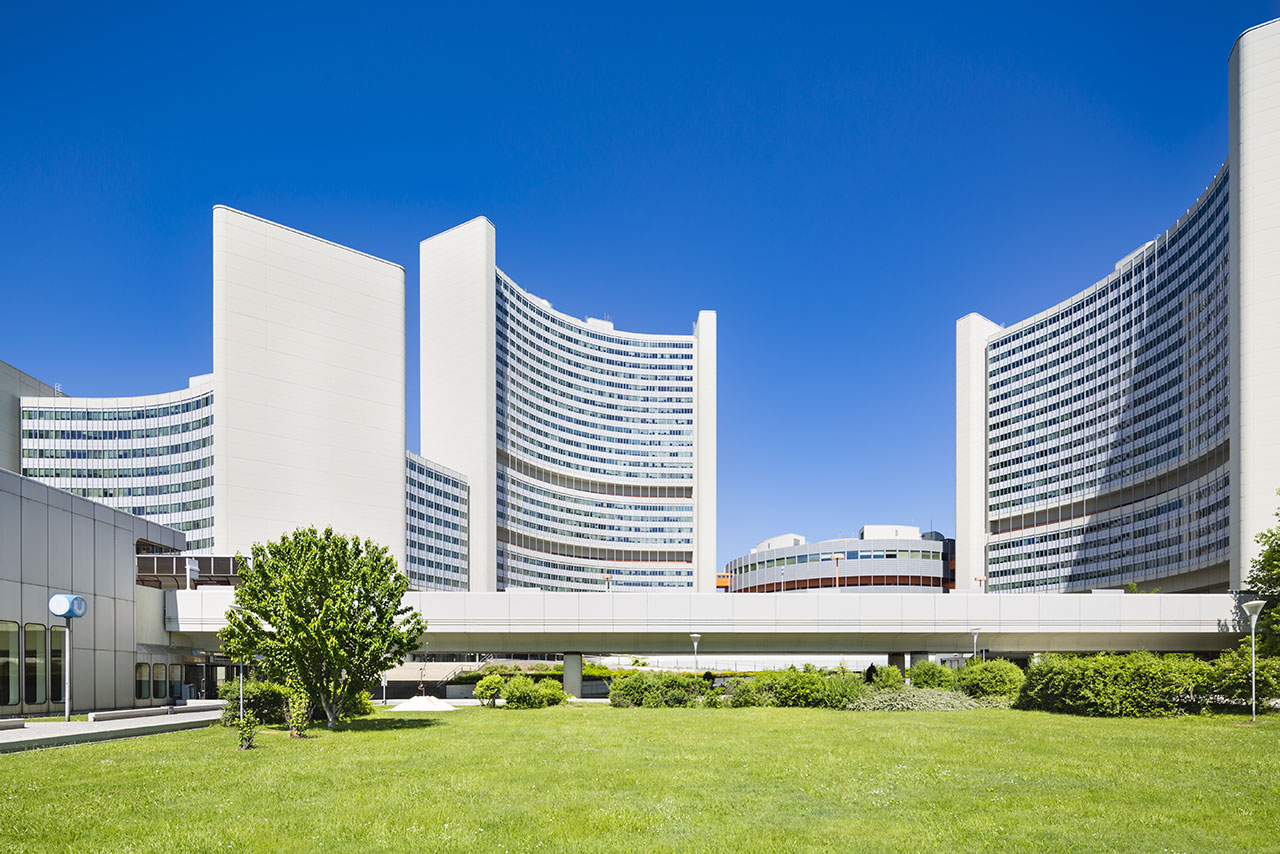
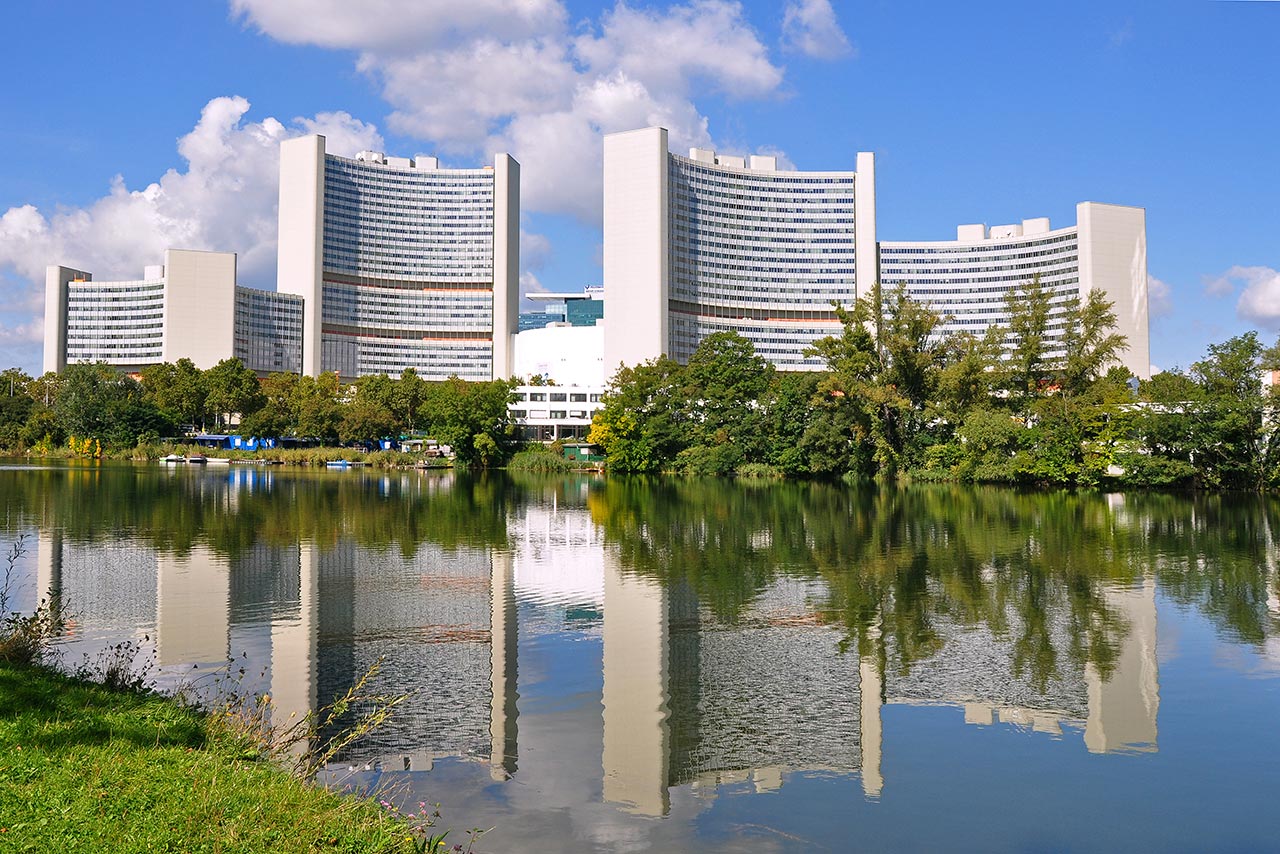
Modern buildings of the Vienna International Centre (VIC), home to the headquarters of the International Atomic Energy Agency (IAEA) and several other United Nations organisations and offices.
Every country operating nuclear power plants or using nuclear and radioactive materials has a national regulatory authority responsible for overseeing nuclear and radiation safety and ensuring compliance with applicable regulations. The regulatory authority is independent of the organisations responsible for operating nuclear facilities.
In addition to national regulators, several international organisations contribute to nuclear safety, security, safeguards, cooperation and the exchange of operating experience. They have different roles and responsibilities and generally do not replace or exercise the regulatory powers of national authorities. Some of the most important international organisations are described below.
 |
The International Atomic Energy Agency (IAEA)The International Atomic Energy Agency (IAEA) was established in 1957 as an autonomous international organisation within the United Nations system. Its headquarters are in Vienna. The Agency promotes the safe, secure and peaceful use of nuclear science and technology and supports international cooperation in areas ranging from nuclear energy and medicine to agriculture and environmental protection. It develops international nuclear safety standards, provides technical assistance and training, supports research and facilitates the exchange of scientific and technical information between Member States. Another major responsibility of the IAEA is the application of nuclear safeguards. Under safeguards agreements with individual States, IAEA inspectors verify that nuclear material and activities declared for peaceful purposes are not diverted to nuclear weapons or other nuclear explosive devices. Nuclear safety, nuclear security and safeguards are closely related but distinct areas, while responsibility for regulating and safely operating nuclear facilities remains with individual States. |
 |
The World Association of Nuclear Operators (WANO)The World Association of Nuclear Operators (WANO) brings together organisations that operate commercial nuclear power plants around the world with the common goal of achieving the highest possible standards of nuclear safety and operational reliability. It was established in 1989 following the Chernobyl accident and is a non-profit organisation independent of governments and regulatory authorities. Its central office is in London, with regional centres in Atlanta, Moscow, Paris and Tokyo and an expanding presence in Shanghai. WANO is not a regulatory body and does not advocate on behalf of the nuclear industry. WANO promotes continuous improvement by enabling nuclear operators to learn from one another. Its activities include peer reviews of nuclear power plants, analysis and sharing of operating experience, technical support, performance monitoring, training, workshops and exchanges between specialists. Lessons learned from events at one plant can therefore be shared internationally and used to improve the safety and reliability of other nuclear power plants. |
 |
The World Institute for Nuclear Security (WINS)Protecting nuclear and other radioactive materials and facilities against theft, sabotage, terrorism and other malicious acts is known as nuclear security. The World Institute for Nuclear Security (WINS) was established in 2008 and is headquartered in Vienna. Its purpose is to improve the professionalism and competence of people responsible for nuclear security and to promote effective protection of nuclear and other radioactive materials, facilities and activities against physical, cyber and insider threats. WINS provides an international forum in which organisations and professionals can exchange experience and learn from best practices in nuclear security. It organises workshops, training courses and webinars, publishes guidance and offers professional certification through the WINS Academy. The Institute also draws on security practices and management approaches developed in other industries and adapts relevant experience to the nuclear sector. |
 |
The World Nuclear Association (WNA)The World Nuclear Association (WNA) is an international industry association representing organisations involved in nuclear energy and the nuclear fuel cycle. It was established under its present name in 2001, succeeding the Uranium Institute, which had been founded in London in 1975. Its membership includes companies involved in uranium mining, conversion and enrichment, nuclear fuel production, reactor technology, nuclear power plant operation, engineering, transport and radioactive waste management. The Association promotes cooperation across the global nuclear industry, develops industry positions and contributes to international discussions concerning nuclear energy. It also produces reports, statistics and educational materials covering reactor technology, the nuclear fuel cycle, safety, radioactive waste and developments in nuclear energy worldwide. Its publicly accessible information service is widely used as a reference source on the nuclear power industry. |
2 pictures

2 pictures