









In every power plant, we convert a selected form of energy into electrical energy. In principle, we use 3 main forms of energy — kinetic energy, light energy, and thermal energy.
We most often use thermal energy, both in coal-fired and nuclear power plants, in biomass-burning power plants, and in some types of solar power plants (those where we use radiation from the sun to heat water or another medium and subsequently spin a turbine). These power plants have the advantage that we are able to obtain a large amount of energy. The maximum efficiency of these power plants is quite simply given by the Carnot cycle and can be calculated from the knowledge of the temperature of the heat source and the cooler temperature (typically the surroundings). The efficiency of a thermal power plant thus depends on the temperature we are able to obtain through combustion or nuclear reaction heating. Typically, the efficiency of thermal power plants is around 33%, with the main limitation being the maximum temperature of the water and the steam it produces in a given type of power plant. In nuclear power plants, water has a temperature of around 300 °C (it doesn’t boil at this temperature because it’s under high pressure), while in coal-fired power plants, water can have an even higher temperature (known as supercritical water/steam). As the water temperature increases, efficiency also increases, which is why some power plants have an efficiency approaching 50%.
When burning biomass, similarly high temperatures are more difficult to achieve (biomass has a lower calorific value and higher demands are placed on combustion technology, so their efficiency ranges around 20—30%).
Wind turbines have an efficiency of around 25%, and their efficiency depends on the technology used, the construction site and weather conditions.
Photovoltaic power plants have even lower efficiency, below 20%, and that's even when the sun is hitting them at the correct angle. We can increase the efficiency of these power plants by tilting them toward the sun, and the efficiency of the inverter (converting DC power from the panels into AC power for the grid) also has a significant impact.
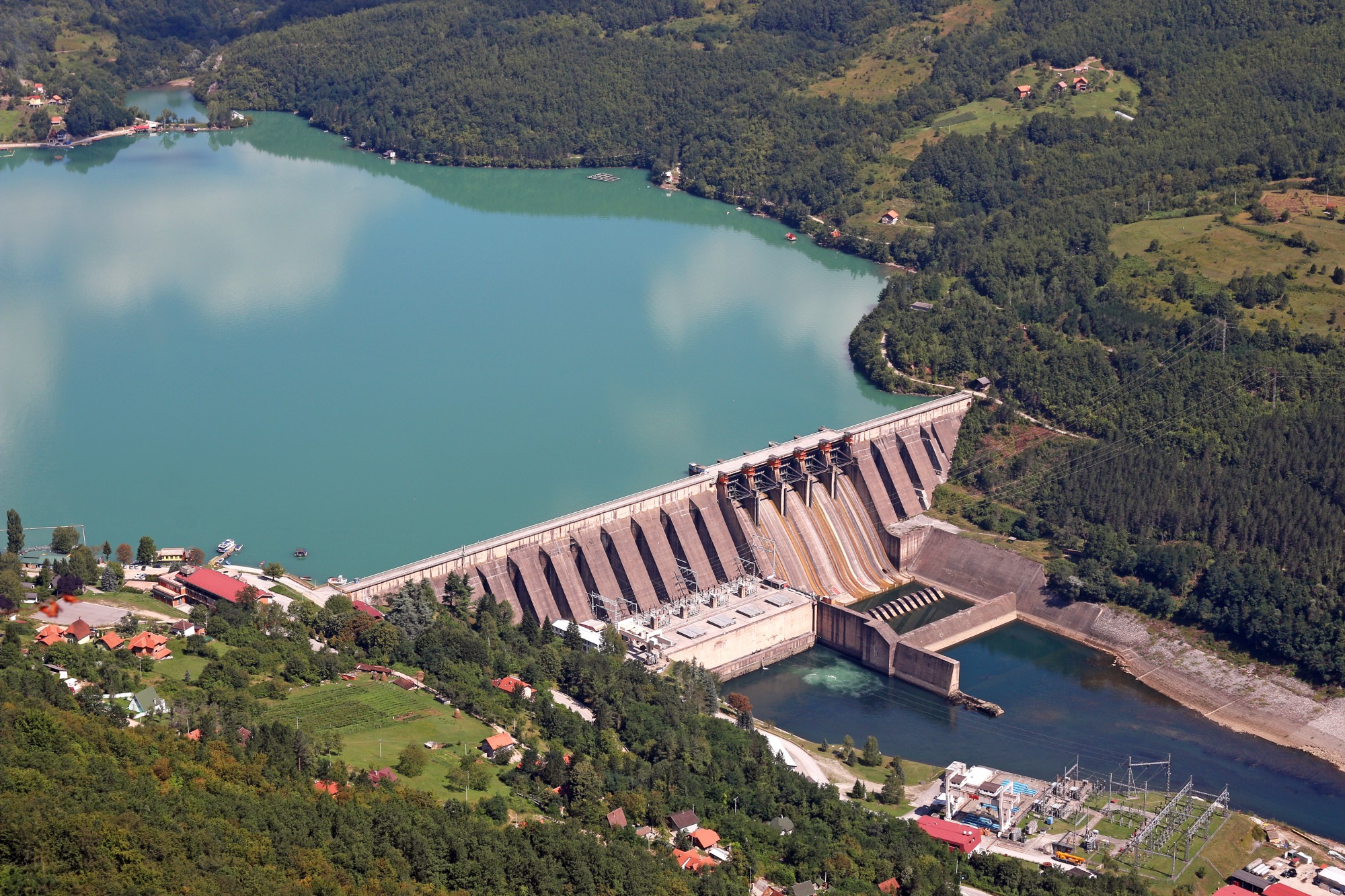
Hydropower plants have the highest efficiency, up to 90%, with their efficiency depending mainly on the speed of the flowing water. The high efficiency of hydroelectric power plants is also related to the fact that we convert the movement of water into the movement of a turbine, whereas in thermal power plants, we convert heat into the movement of steam, and then we convert the movement of steam into the movement of a turbine.
Want to ask something?
Send us an e-mail with the subject “Physics mysteries” to the address:
We can't wait to tackle your interesting questions!

