





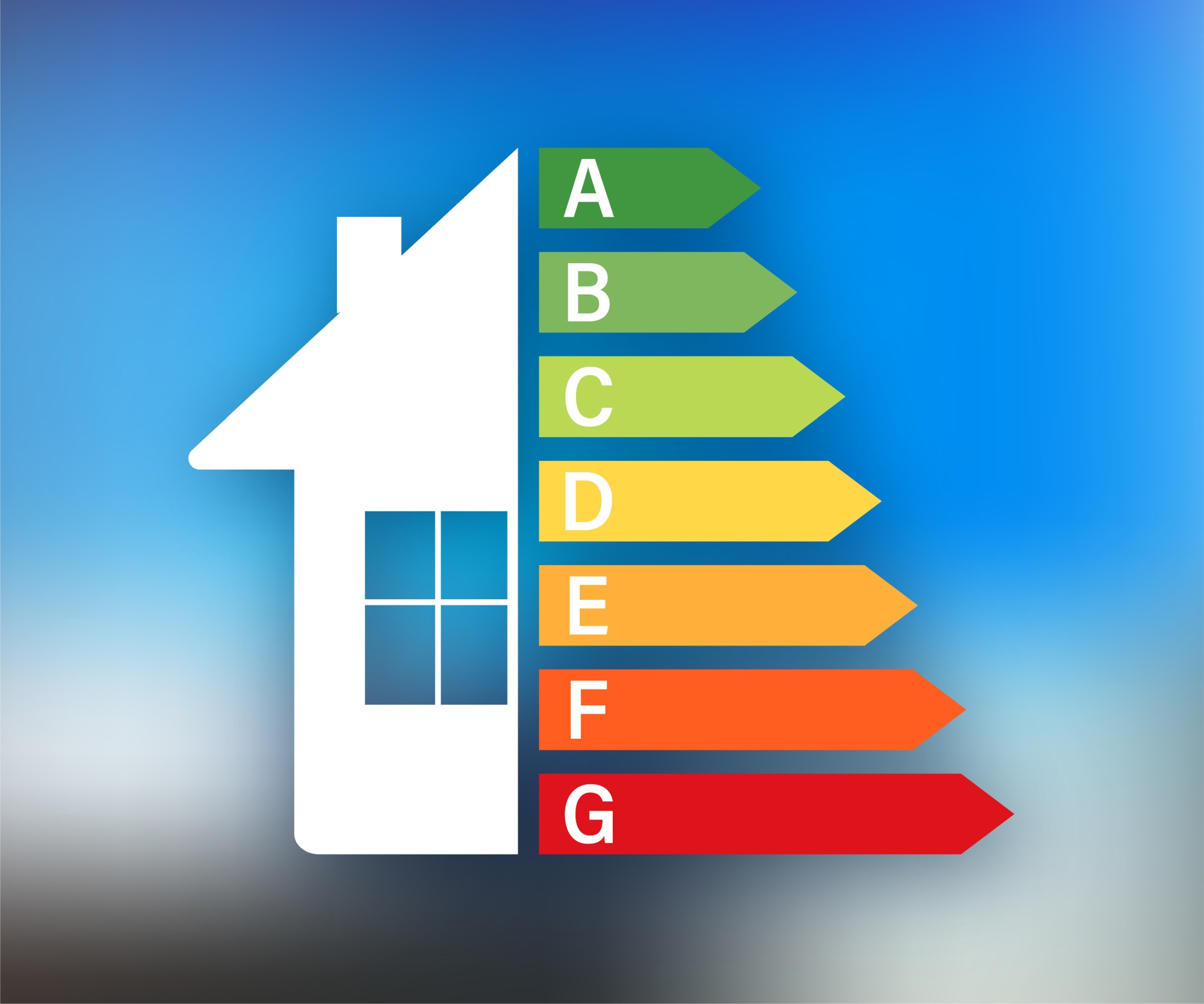
Because the largest portion of household consumption is related to heating, the most effective way is to focus on all appliances that produce heat (or remove it — air conditioning).
If we want to consume as little heat as possible, the most effective approach is to start with the most significant measures, namely insulating the house and windows. These investments are relatively high, but they have the greatest impact on heating energy consumption. The next step should be to consider investing in heating which can be the largest amount of the total investment in energy savings. The aforementioned investments will pay for themselves in less than 10 years (depending mainly on the original condition of the house/apartment and the heating method). Subsequently, we should equip the heating system with thermostatic heads, ideally with the option to set different temperatures for daytime (higher) and nighttime (lower).
Once we have the main measures sorted out, we can focus on other saving opportunities. Since most people are already using energy-efficient and LED light bulbs, we’ll skip this part, but we’ll essentially be building on it. We’ll be replacing less efficient appliances. I would focus on those that have either a high power consumption or that we use a lot. Consumption is related to both performance and usage time. Again, I would stick to appliances that have to do with heating and cooling. We can consider replacing the refrigerator (especially if there are heat leaks), using a dishwasher (which reduces hot water consumption), or replacing the stove. Induction cooktops are ideal as they transfer energy directly to the pot, minimizing heat loss.
We can also lower the washing temperature, the temperature of the water we bathe in, or generally reduce our use of hot water. Here, I’d like to mention boiling water reasonably in an electric kettle. If we boil an unnecessary 0.5 liters extra every day, we consume 20 kWh per year.
And as a final cost-saving option, I’ll mention turning off appliances in standby mode. In modern devices, it is stipulated that their power consumption must not exceed 1 W. One such device consumes approximately 5 kWh per year.
Want to ask something?
Send us an e-mail with the subject “Physics mysteries” to the address:
We can't wait to tackle your interesting questions!

