




The highest energy consumption in a household comes from appliances that produce heat and/or cooling. So it typically involves heating, air conditioning, stoves, cookers, microwaves, or kettles.
Based on how much the devices heat up, we can determine both their power and efficiency. If we have an appliance that isn’t designed to heat but is heating up, we know it has losses. A typical example is lighting — classic light bulbs were very hot (and therefore very inefficient), whereas modern LED light bulbs, while they do get warm with the same illumination, don’t get very hot.
The power consumption of a given appliance depends on both its power input and the duration of its use. That’s why we end up using the most energy for heating because we heat (almost) constantly in winter, whereas we only turn on a kettle (which is equivalent to two radiators) for a few minutes a day.
Similarly, a refrigerator also consumes a lot of energy. It runs constantly, yet its consumption is relatively low (200 W, which is roughly equivalent to all the light bulbs in the house).
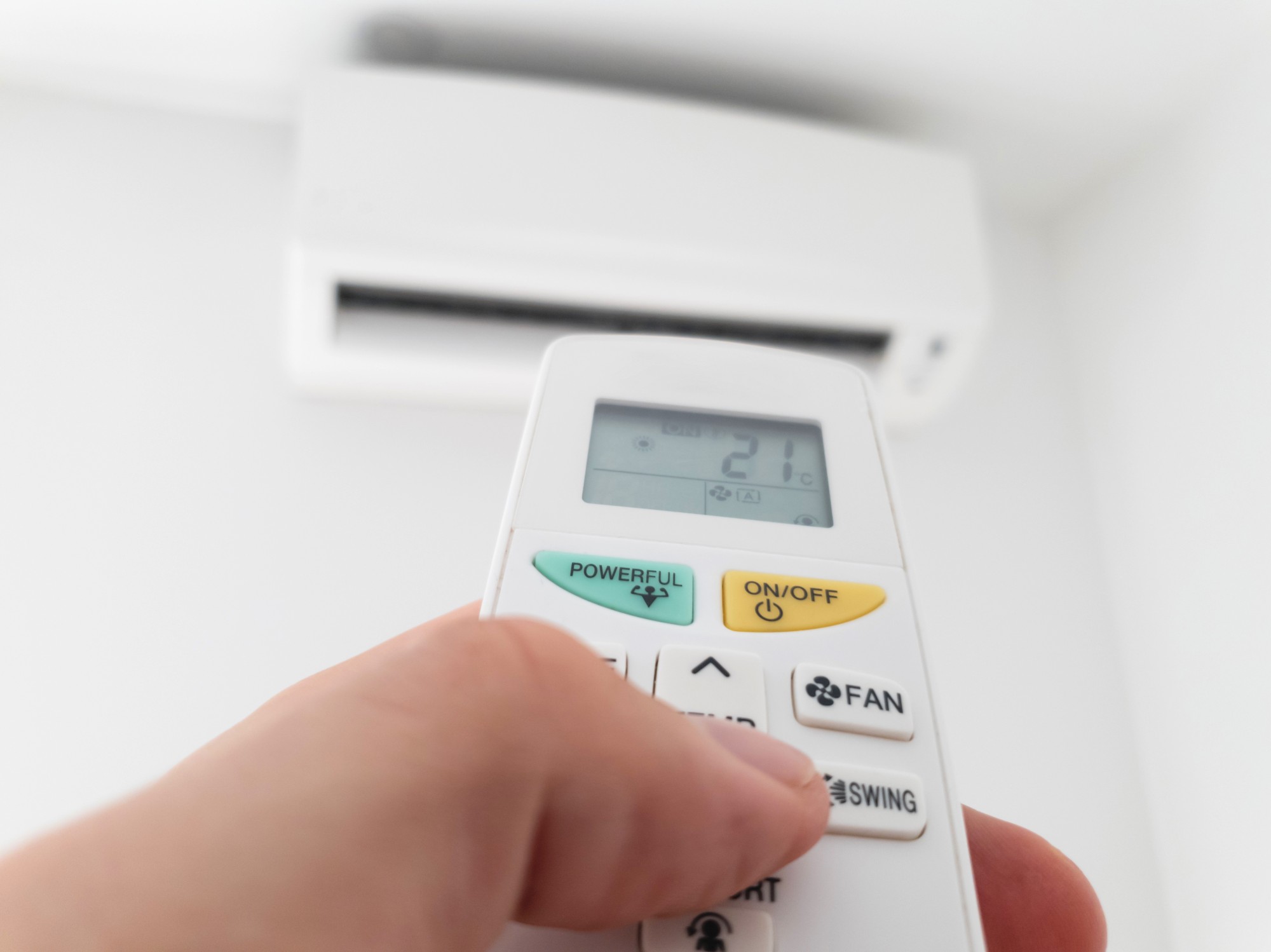
With the development of air conditioning, the influence of heat-using appliances is even more pronounced. Previously, household consumption was significantly higher in winter than in summer, but this is no longer the case due to air conditioning.
Generally speaking, more than 50% of a household’s total consumption is accounted for by heating and/or air conditioning, which is why it makes sense to focus on this area when considering savings meaning insulating the house, lowering the heating temperature, or not turning on the air conditioning in the summer.
Want to ask something?
Send us an e-mail with the subject “Physics mysteries” to the address:
We can't wait to tackle your interesting questions!

