



End State and Site Reuse
6 min read
End State Options After Decommissioning
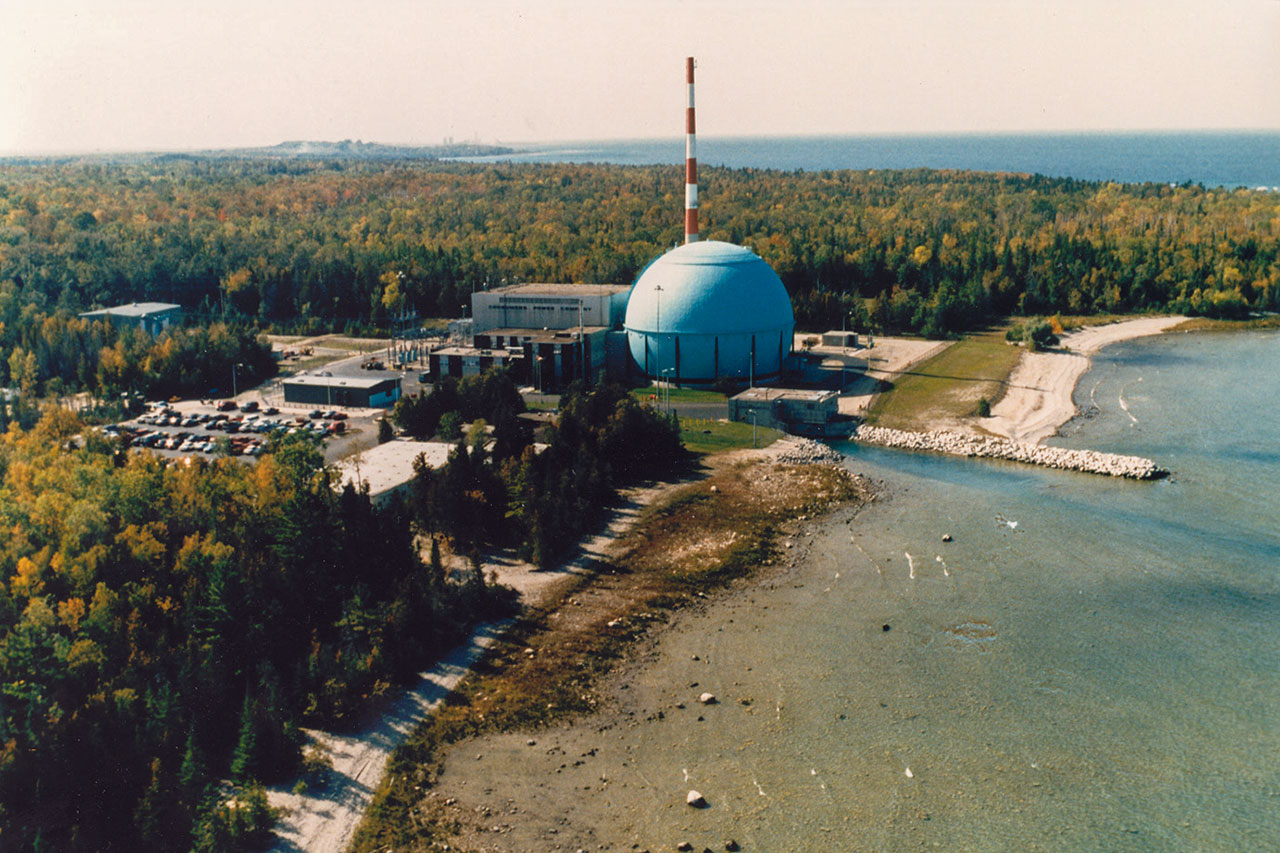
Big Rock Point Nuclear Power Plant is among the best-known examples of successful completion of decommissioning and restoration of a greenfield site condition, where only the spent fuel storage facility remains as a reminder of the original nuclear power plant.
Every decommissioning project aims to achieve a predefined final site condition, referred to as the end state. This condition determines how the site will be used after completion of decommissioning and what requirements must be met in terms of radiation safety, environmental protection, and regulatory compliance. The end state is defined already during decommissioning planning and significantly influences the selection of the decommissioning strategy.
In some cases, the site may after decommissioning be released for unrestricted use without special limitations. In other cases, future use may be restricted, for example to industrial purposes or further nuclear activities. For some facilities, long-term surveillance, monitoring, or retention of part of the infrastructure and technical systems may also be required for a certain period.
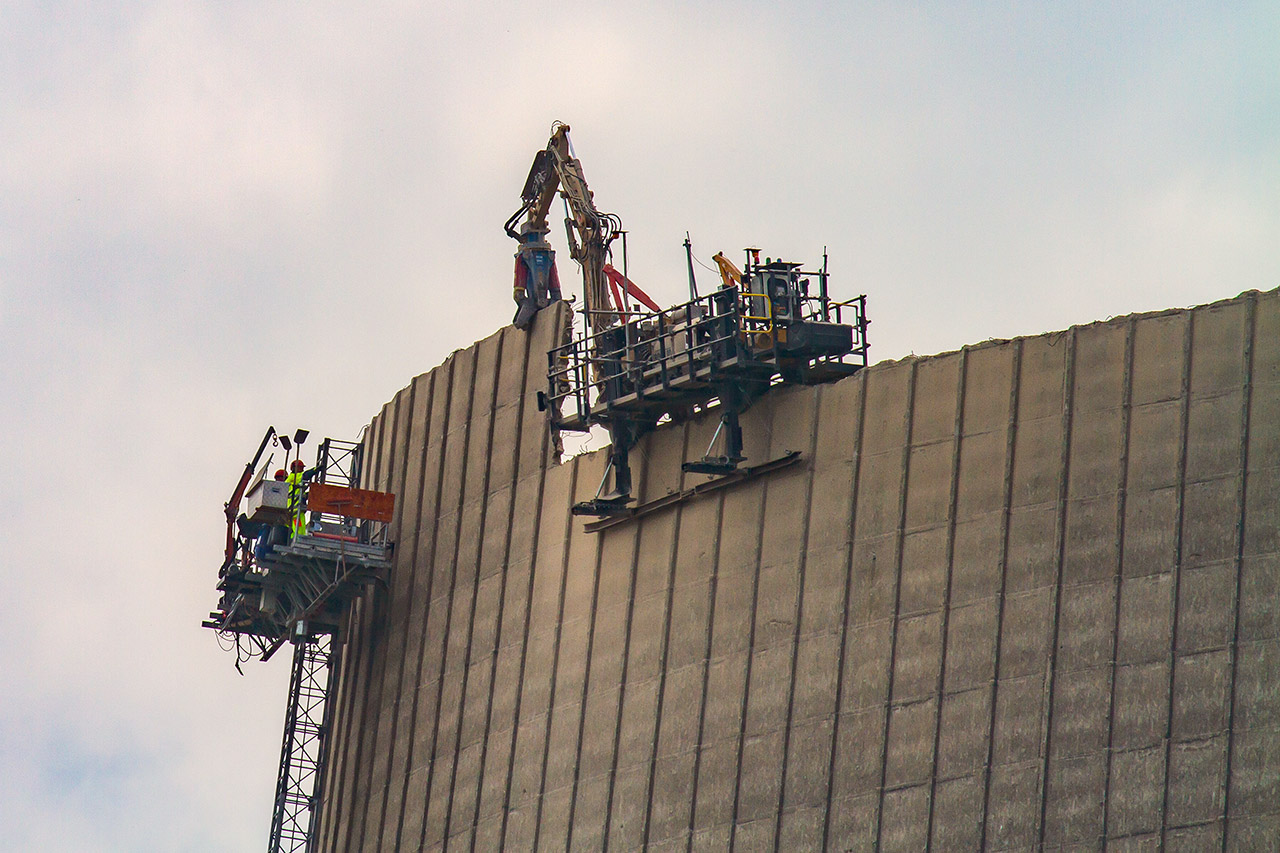
Demolition of large civil structures during decommissioning requires specialised equipment, protective systems, and careful planning of work at height.
Selection of the final site condition depends on many factors, including the extent of contamination, planned future use of the land, national legislative requirements, and the operator’s economic capabilities. Communication with the public and local communities also plays an important role, as these groups may significantly influence the future form of the site.
Several former nuclear power plant sites in Europe are now being reused for new energy projects because they already have strong grid connections and industrial infrastructure.
(World Nuclear Association — Decommissioning Nuclear Facilities)
Criteria for Release of a Site from Regulatory Control
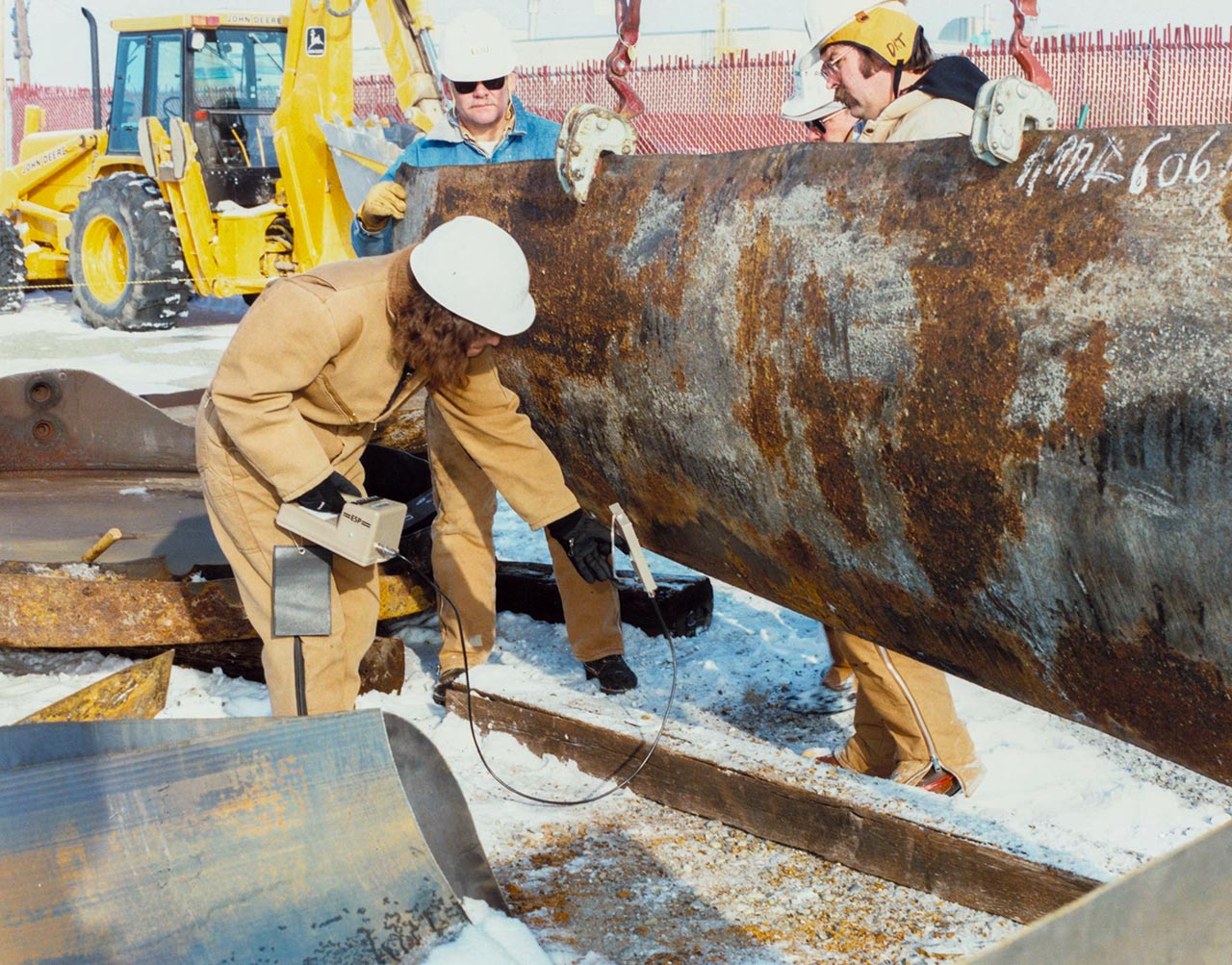
Before materials or parts of a facility can be released from regulatory control, detailed radiation measurements must confirm that their further use or recycling does not present an unacceptable risk to the surrounding environment or the public.
Before a site or individual materials can be released from regulatory control, it must be demonstrated that the remaining level of radioactivity does not represent an unacceptable radiation risk to people or the environment. This is achieved through an extensive system of radiological measurements, inspections, and safety assessments.
The process includes detailed radiological surveys of buildings, equipment, soil, and groundwater. Parameters such as dose rates, surface contamination, and the presence of difficult-to-detect radionuclides are assessed. Measured values must comply with established limits and clearance levels defined by legislation or regulatory authorities.
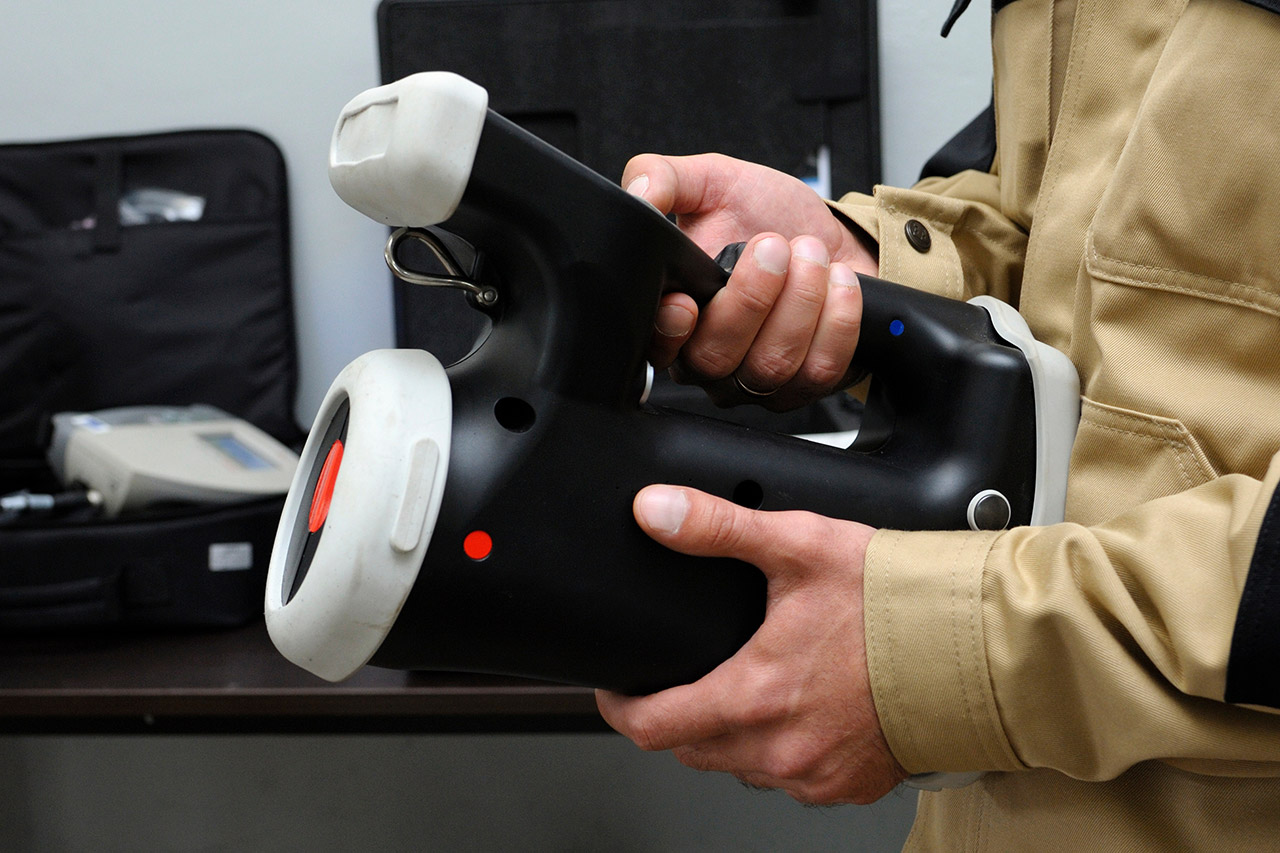
Handheld radioisotope identifiers enable rapid detection and analysis of radionuclides in buildings, equipment, and the surrounding environment during radiological surveys.
After completion of all inspections and assessments, the regulatory body issues confirmation that the requirements for release of the site or materials have been met. Only then may the site be used without further restrictions or transferred to a new mode of use.
Site Reuse
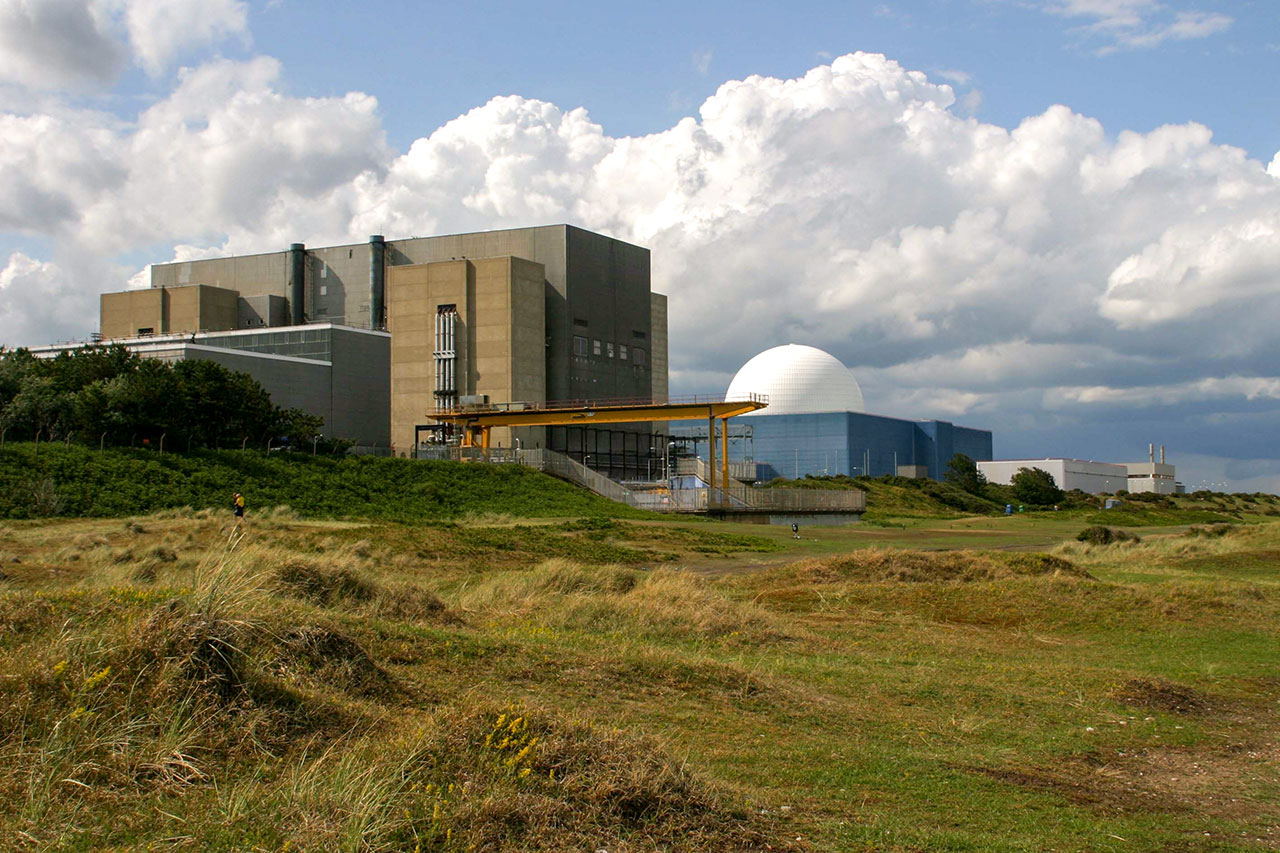
At the Sizewell Nuclear Power Stations site, decommissioning of the older Magnox reactors of Sizewell A is taking place simultaneously with operation of the more modern PWR reactor of Sizewell B and preparation for construction of the new Sizewell C nuclear power plant.
Former nuclear facility sites often represent technically well-prepared areas with high-quality infrastructure, grid connections, and existing transport access. After completion of decommissioning, they are therefore frequently reused for new industrial or energy projects.
At some sites, new energy projects are developed, including modern nuclear units, gas-fired power plants, or renewable energy facilities. Other locations may be reused for industrial sites, research centres, storage facilities, or technology parks. In some cases, parts of the area are transformed into publicly accessible spaces, recreational zones, or natural areas.
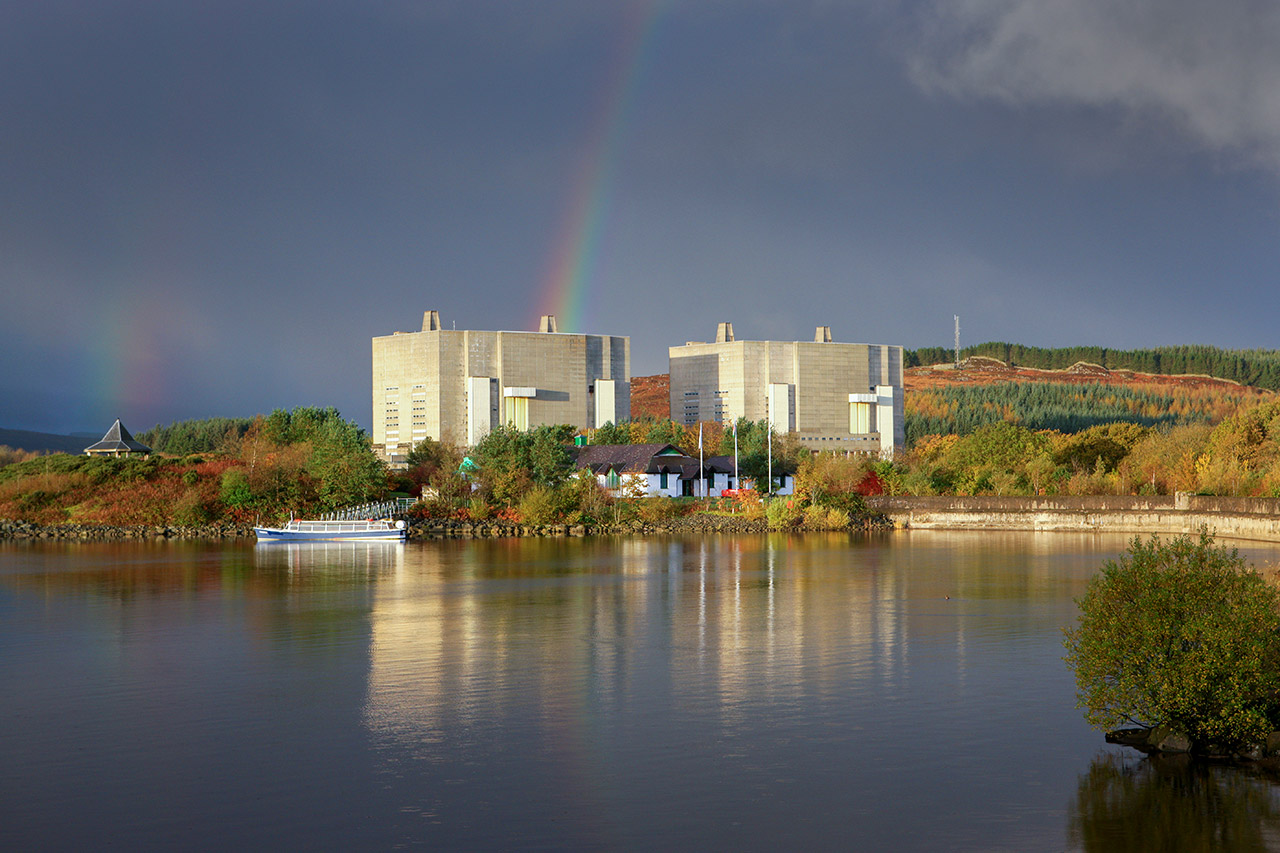
Trawsfynydd Nuclear Power Station with its Magnox reactors is an example of long-term decommissioning combined with gradual dismantling and preparation for future reuse of the site within the sensitive environment of Snowdonia National Park.
Future reuse of a site may have significant economic and social impacts on the surrounding region. New projects can help preserve jobs, utilise existing infrastructure, and support further regional development after shutdown of the original facility.
At some former uranium mining and nuclear sites, environmental remediation and monitoring continue for decades even after decommissioning work has been completed.
(IAEA — Environmental Remediation)
Environmental Remediation
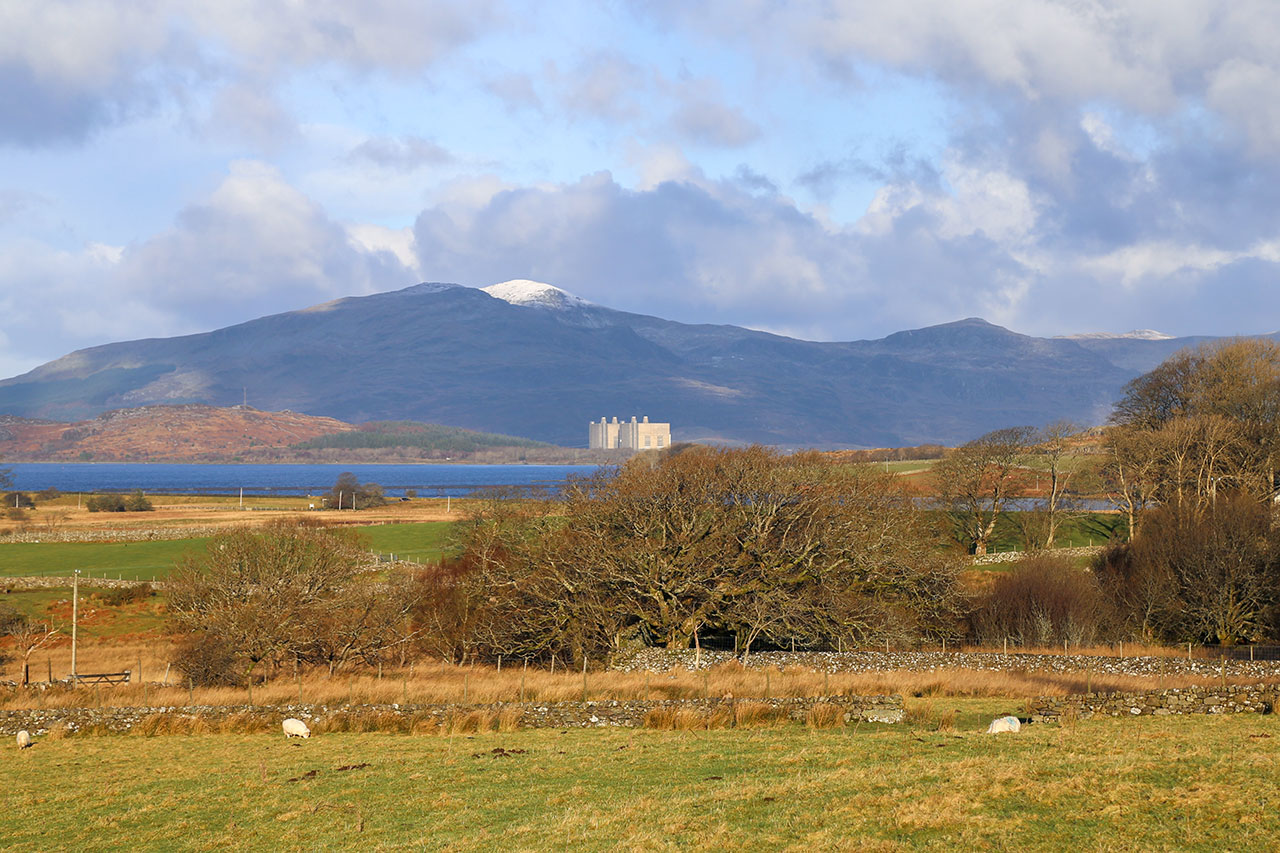
Environmental remediation following decommissioning of Trawsfynydd Nuclear Power Station also includes long-term protection of the surrounding environment, including the artificial Llyn Trawsfynydd lake within the landscape of Snowdonia National Park.
Decommissioning may also include environmental remediation, meaning the removal of the consequences of previous facility operation from buildings, soil, or groundwater. The extent of remediation depends on the type of facility, its operational history, and the level of contamination present.
Remediation may include decontamination of civil structures, removal of contaminated soil, groundwater treatment, or demolition of old buildings. In some cases, specialised decontamination technologies, biological remediation methods, or long-term monitoring systems are used.
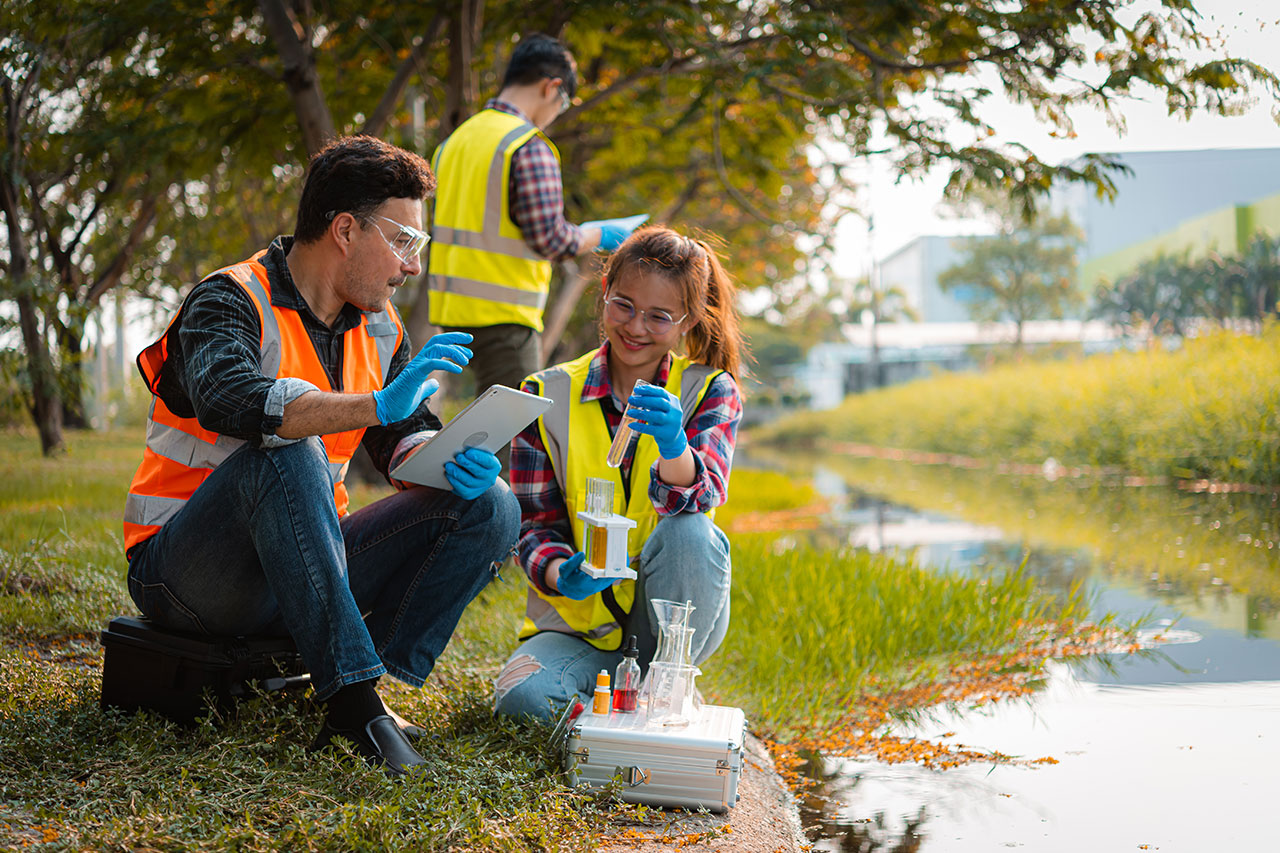
Sampling and analysis of materials from the surrounding environment make it possible to verify that decommissioning activities do not have unacceptable impacts on the environment or the surrounding population.
Even after completion of the main activities, long-term environmental monitoring may continue to track the condition of soil, water, air, and surrounding ecosystems. The objective is to confirm that the site does not represent a risk to the public or the environment and can be safely used in the future.