

Implementation of Decommissioning
13 min read
Video: This interactive 3D model presents selected technologies used during nuclear power plant decommissioning, including chemical decontamination, reactor pressure vessel segmentation, remotely operated pipe cutting, and laser cutting of reactor internals.
Implementation of Nuclear Facility Decommissioning
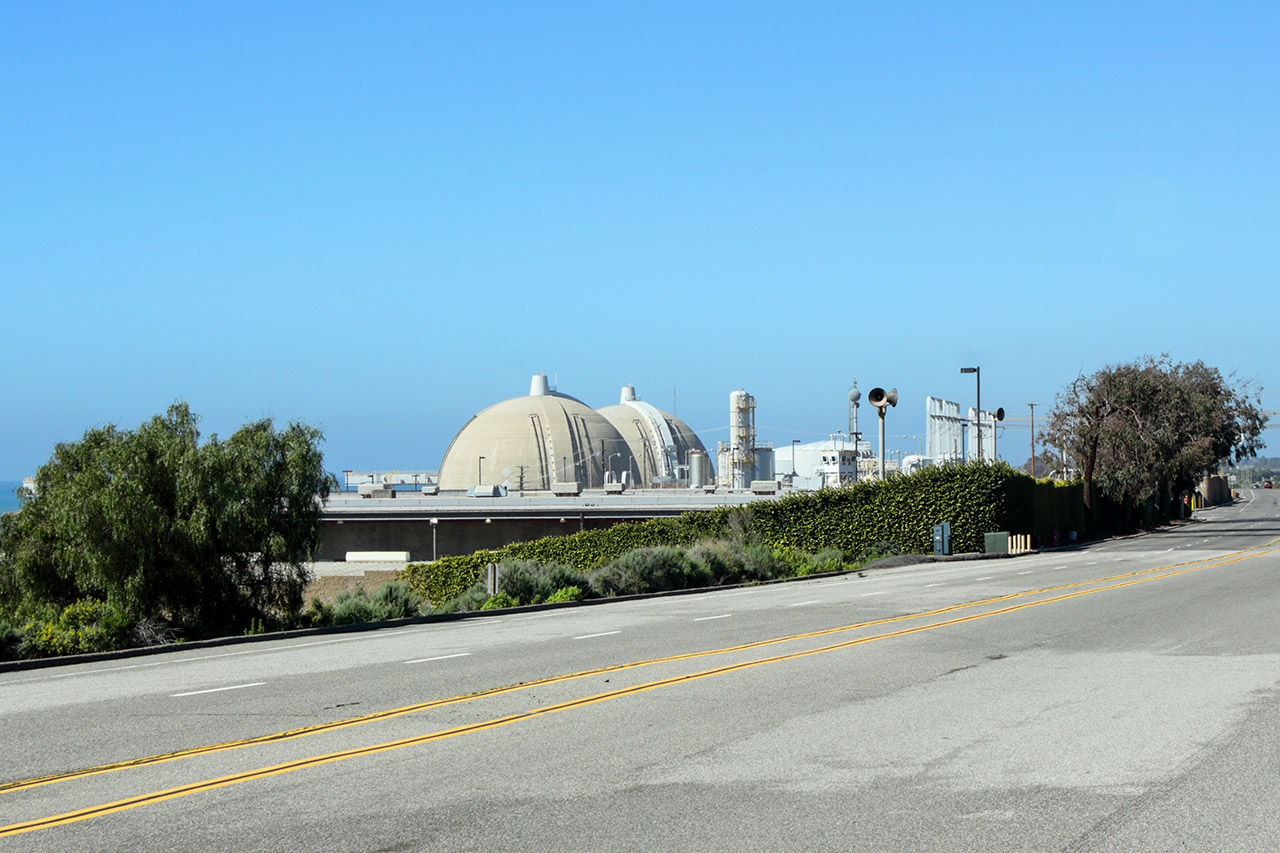
The decommissioning of San Onofre Nuclear Generating Station is among the most significant current projects in the United States. Particular attention is focused on the long-term storage of spent nuclear fuel in close proximity to the Pacific coastline and densely populated areas of California.
After completion of the preparatory activities, the actual implementation of decommissioning begins — the technically most demanding stage of the entire process. During this phase, facilities are decontaminated, technological systems are dismantled, civil structures are demolished, and all materials no longer required for subsequent decommissioning stages are progressively removed. At the same time, extensive radiation monitoring, material segregation, and radioactive waste management activities are carried out.
Decommissioning is usually carried out in individual phases and according to precisely defined work scenarios. Every step must be carefully planned with regard to worker safety, radiological conditions, material logistics, and the availability of waste treatment facilities. Continuous characterisation of equipment and structures also plays an important role, helping to determine appropriate technologies for dismantling and subsequent material management.
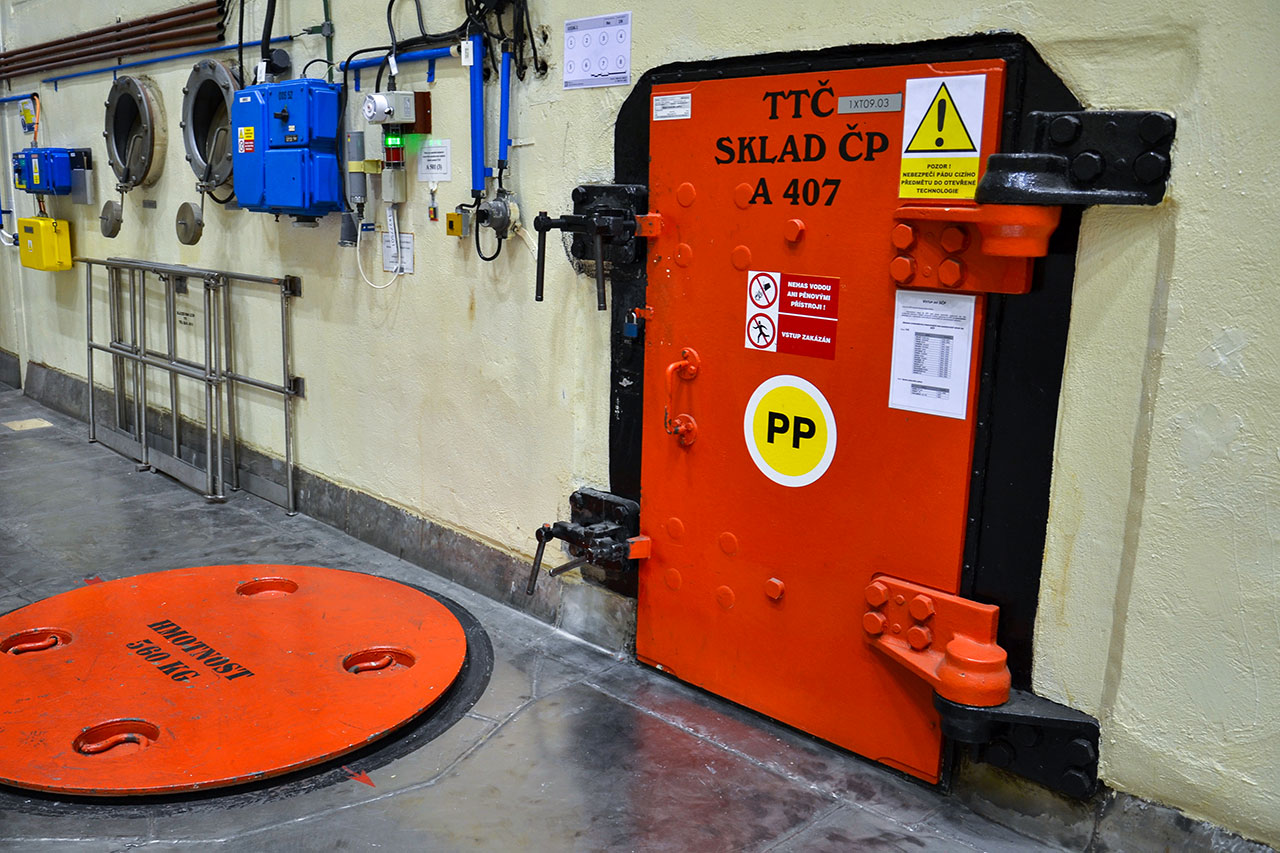
Controlled areas originally intended for fresh fuel handling may during decommissioning be used, for example, for temporary storage of radioactive materials or dismantled technological components.
One of the first technical activities is usually decontamination of systems and equipment, which reduces radioactivity levels and facilitates subsequent work. This is followed by dismantling of piping, valves, tanks, technological systems, and electrical systems. Work then progressively moves to large components such as steam generators, reactor internals, and eventually the reactor pressure vessel itself.
A particularly demanding activity is the segmentation of highly activated equipment. Large components are cut into smaller sections using specialised cutting technologies, often underwater or with remotely operated systems. The water environment helps shield ionising radiation while also limiting the spread of radioactive particles into the surrounding environment.
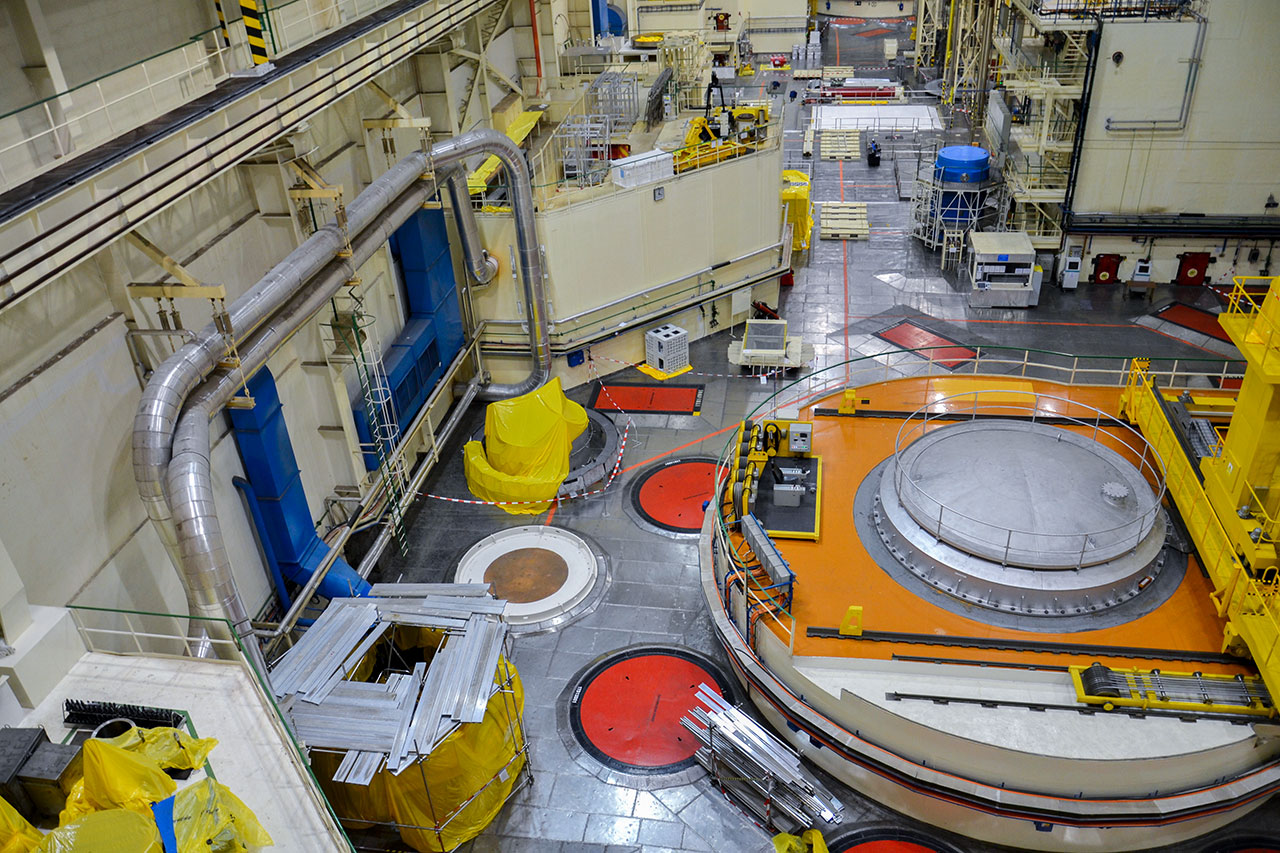
During decommissioning, the reactor hall is often transformed into a dedicated area for fragmentation of activated components. Special dismantling equipment and technologies are commonly installed there for these activities.
Throughout implementation of decommissioning, continuous material and waste management activities are also performed. Materials are segregated according to their radiological properties, decontaminated, recycled, or prepared for storage and disposal. Accurate tracking of all material flows and continuous radiation monitoring form an important part of the process.
As decommissioning progresses, the nature of activities on the site also changes. While radiological safety-related activities dominate the early stages, conventional construction and demolition work become increasingly important in later phases. After contaminated systems and equipment have been removed, some buildings may be decontaminated and subsequently demolished using conventional demolition methods.
Implementation activities also include continuous verification of the achieved site condition. After completion of individual stages, verification measurements and final radiological surveys are performed to confirm compliance with requirements for future use of buildings or the entire site.
Only about 5% of the material resulting from nuclear power plant decommissioning is usually radioactive waste. Of this radioactive waste, only about 5% is classified as intermediate level or high-level waste.
(IAEA — Nuclear Decommissioning Bulletin)
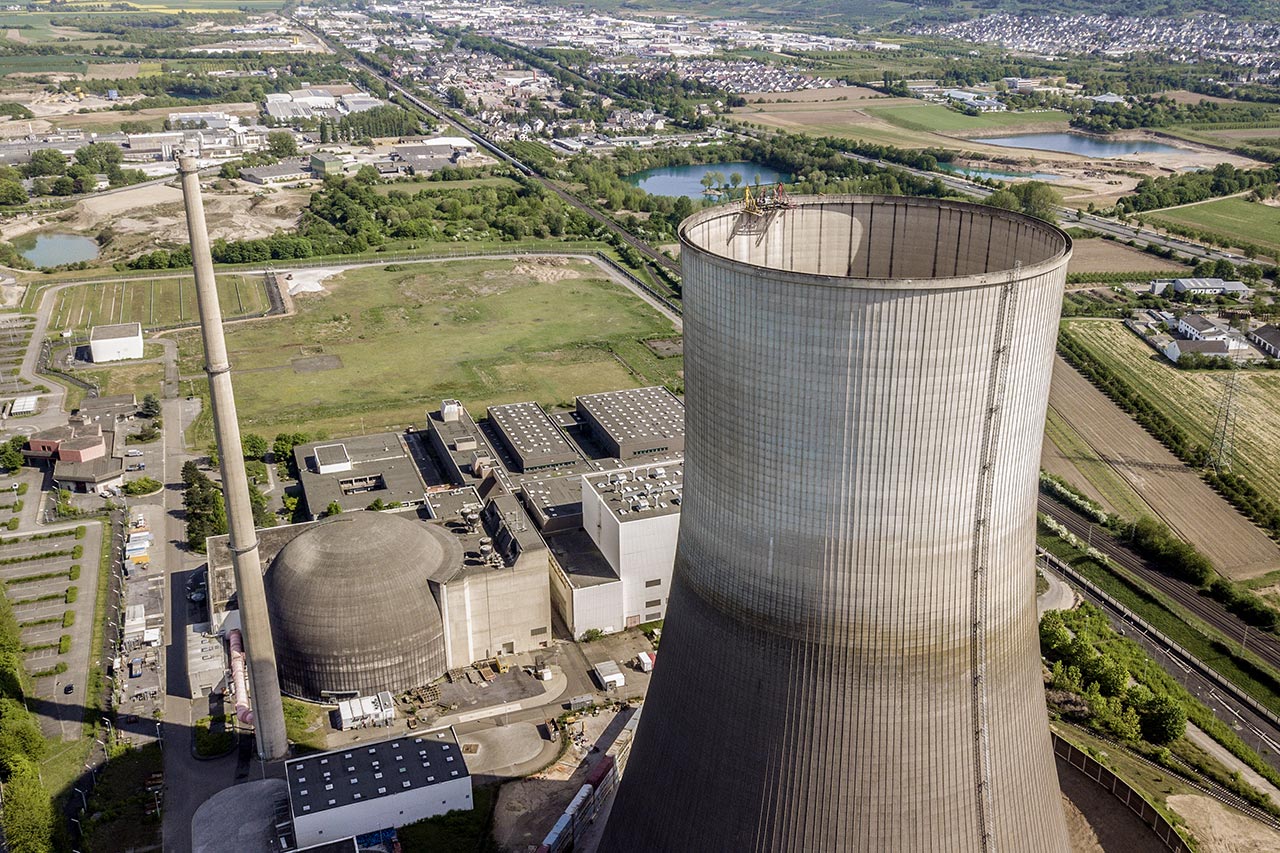
2 pictures
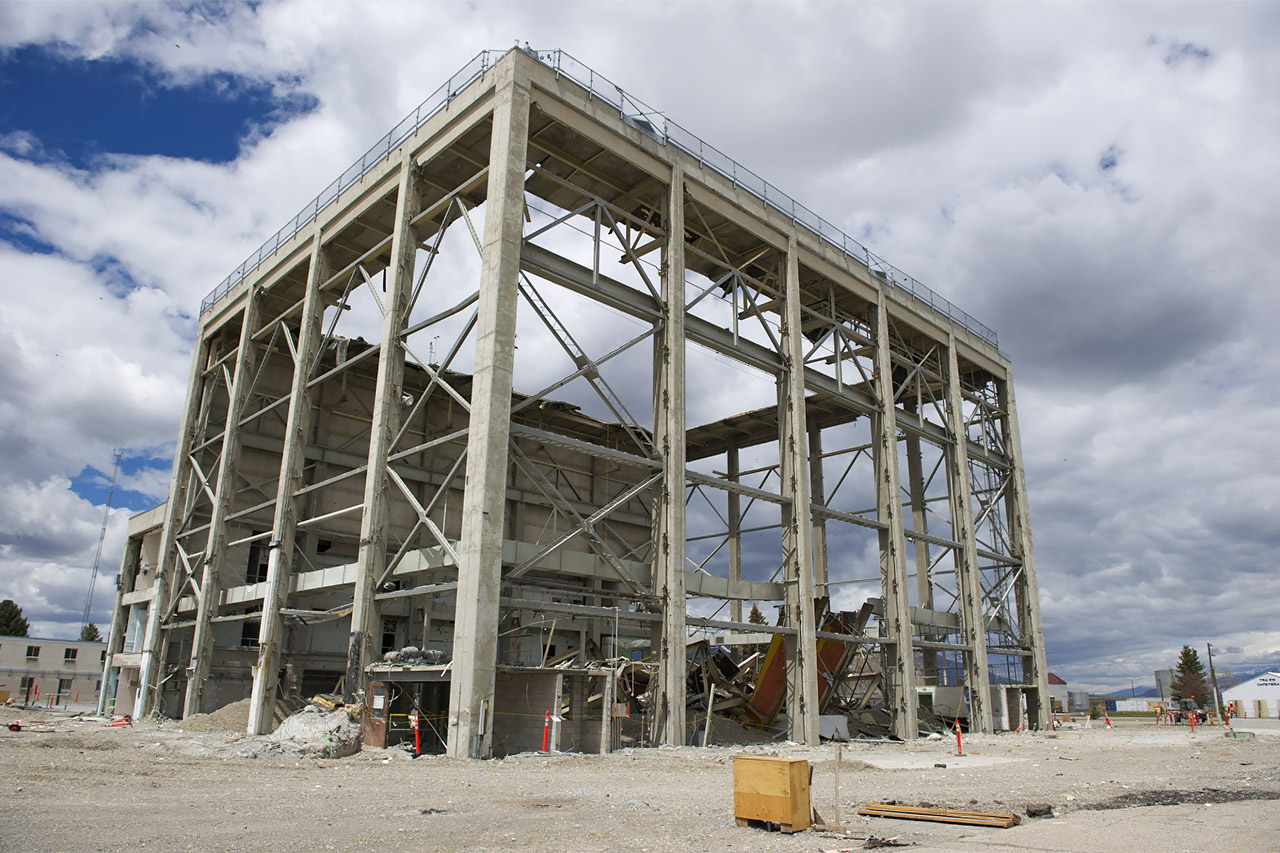
2 pictures
Decontamination Techniques Used During Decommissioning
Decontamination is the process of removing radioactive contamination from the surfaces of equipment, piping, structures, or building materials. Its primary objectives are to reduce radiation exposure to workers, limit the spread of contamination, and simplify subsequent dismantling and waste management activities. Properly performed decontamination can significantly reduce the amount of radioactive waste generated and may allow further use or recycling of some materials.
Video: This animation demonstrates a typical chemical decontamination process. Contaminated metal fragments are immersed in a series of chemical baths, where surface contamination is removed before the cleaned components are prepared for further processing.
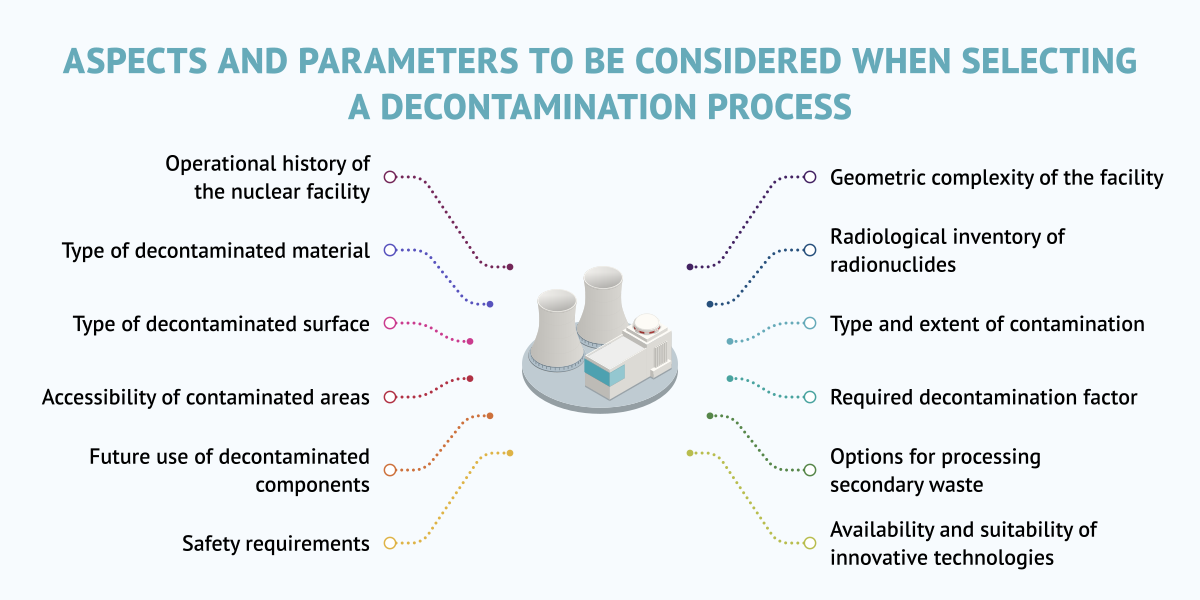
Selection of an appropriate decontamination method depends on a wide range of technical, radiological, and operational factors, such as the type of contamination, material properties, equipment geometry, and the required decontamination effect.
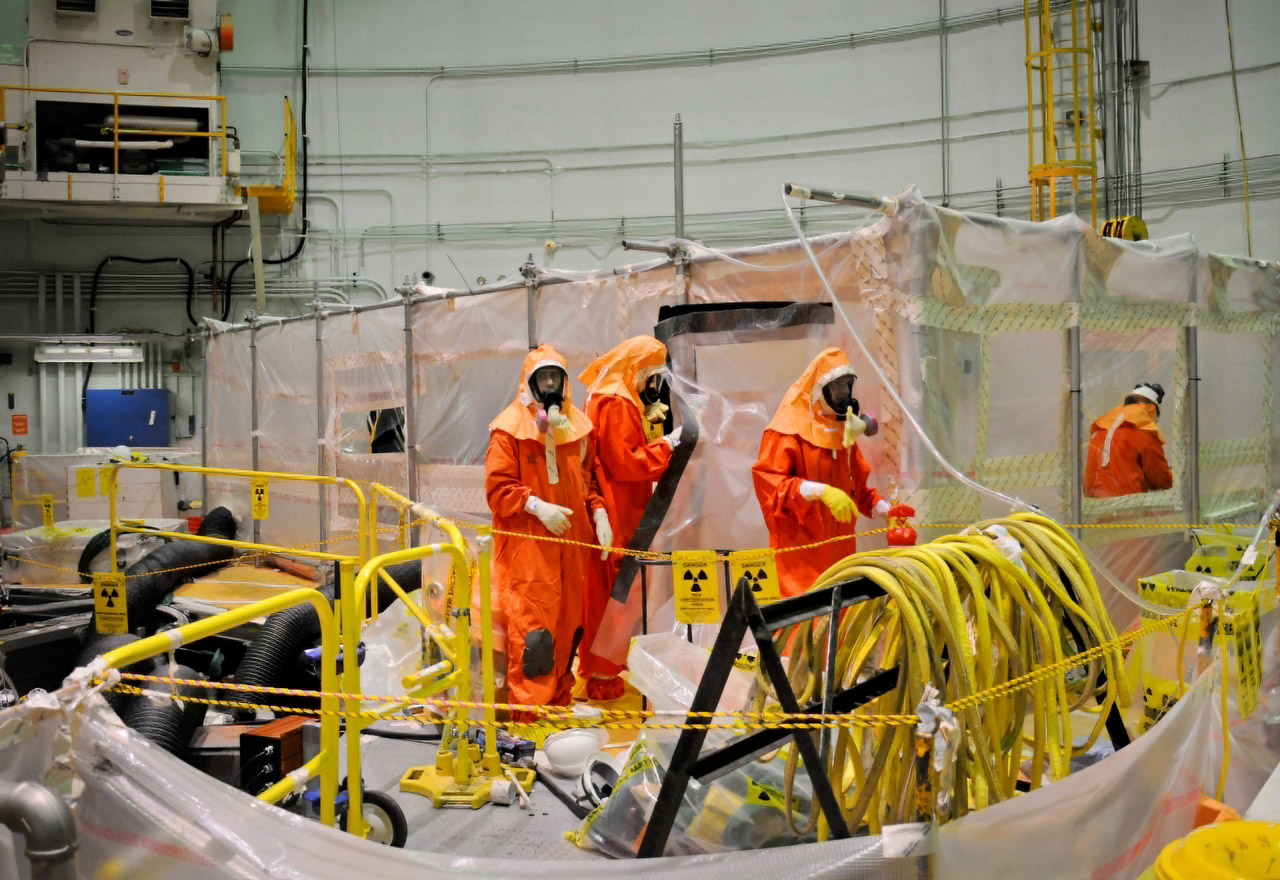
Decontamination represents an important part of nuclear facility decommissioning. The image shows workers preparing decontamination of a heat exchanger at the Experimental Breeder Reactor-II site.
One of the most commonly used methods is chemical decontamination. This method uses various chemical solutions and acids to dissolve contaminated oxide layers on the surfaces of metallic materials. Chemical decontamination can be highly effective, particularly for piping systems and technological equipment; however, it also generates secondary liquid waste requiring further treatment.
Another option is electrochemical decontamination, in which removal of the contaminated layer is assisted by electric current. This method can achieve a high decontamination factor, but it is mainly suitable for simpler and easily accessible surfaces. Its application is often limited for complex geometries or small-diameter piping systems.
Decommissioning activities at Brookhaven National Laboratory also included extensive dismantling activities and remediation of long-term contaminated parts of the site.
Mechanical decontamination techniques are also widely used. These include grinding, brushing, high-pressure water jetting, abrasive blasting of surfaces, and the use of specialised decontamination gels. Modern technologies also utilise laser cleaning and dry ice blasting. Selection of the appropriate method depends on the type of material, contamination level, surface accessibility, and requirements for subsequent material management.
Laser cleaning systems are increasingly used during nuclear decommissioning because they can remove contamination without producing large amounts of secondary waste.
(IAEA International Decommissioning Network)
Methods of Equipment Dismantling and Building Demolition
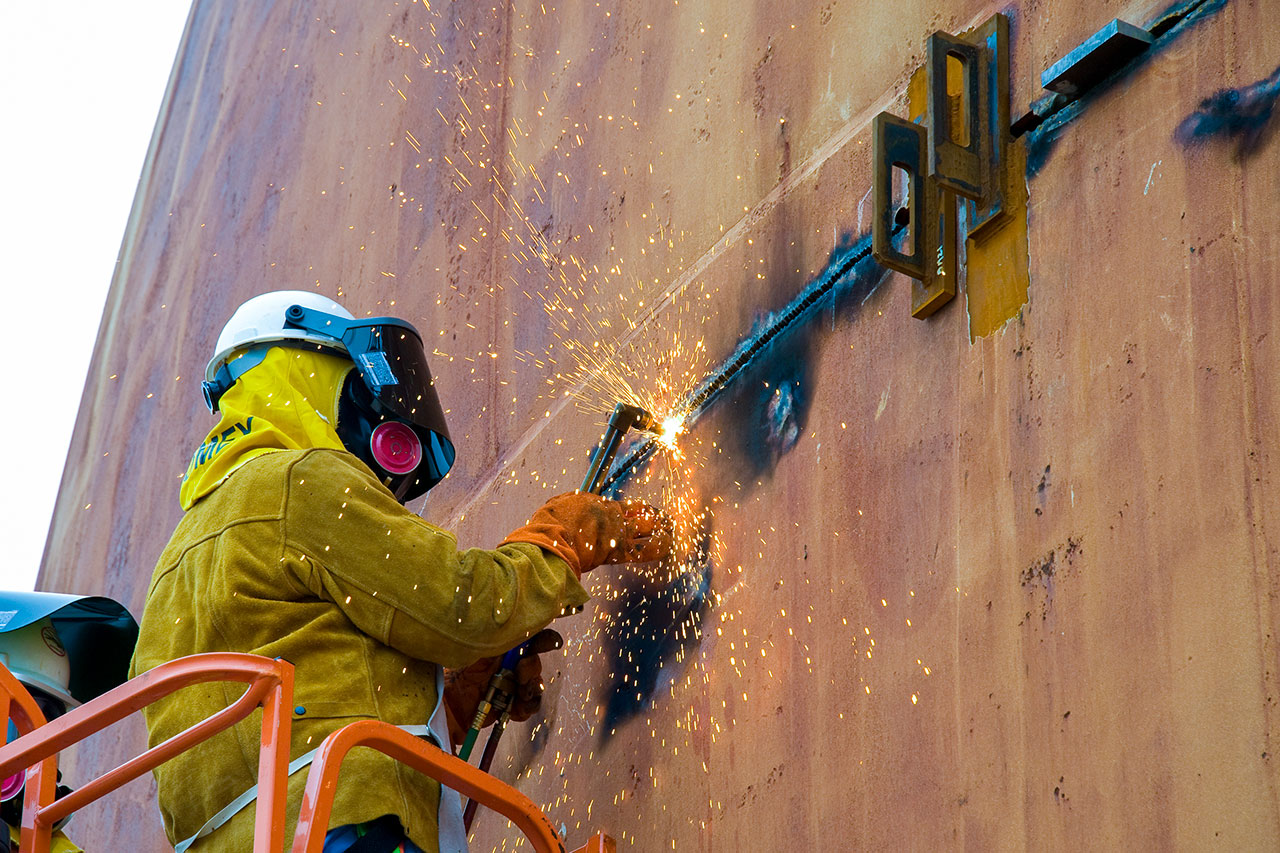
During decommissioning of the Heavy Water Components Test Reactor, various cutting technologies are used for dismantling large structures and enabling their safe separation before removal from the site.
Dismantling of technological equipment represents one of the most technically demanding parts of decommissioning. The objective is the safe disassembly and removal of systems, structures, and components while minimising radiation exposure to workers, the spread of contamination, and the amount of waste generated. Each project therefore uses carefully prepared dismantling scenarios defining the sequence of activities, applied technologies, and methods for management of the resulting fragments.
A wide range of mechanical, thermal, and electrical cutting technologies is used for dismantling activities. Common mechanical methods include band saws, circular saws, hydraulic shears, and diamond wire saws used, for example, for cutting thick concrete structures. Thermal technologies include plasma arc cutting, oxygen cutting, and laser cutting systems, enabling rapid segmentation of thick metallic components.
Video: Underwater segmentation of a reactor pressure vessel using a diamond wire saw. Water provides effective radiation shielding and contamination control while the vessel is cut into smaller sections for subsequent handling and disposal.
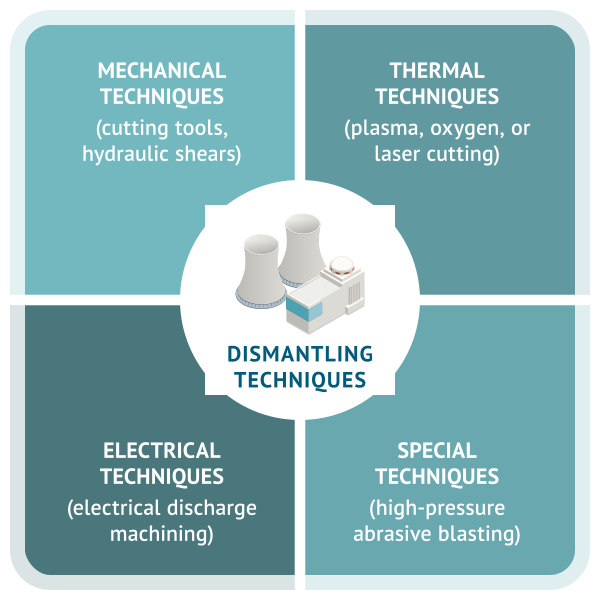
A wide range of cutting and segmentation technologies adapted to different materials and working conditions is used during nuclear facility dismantling.
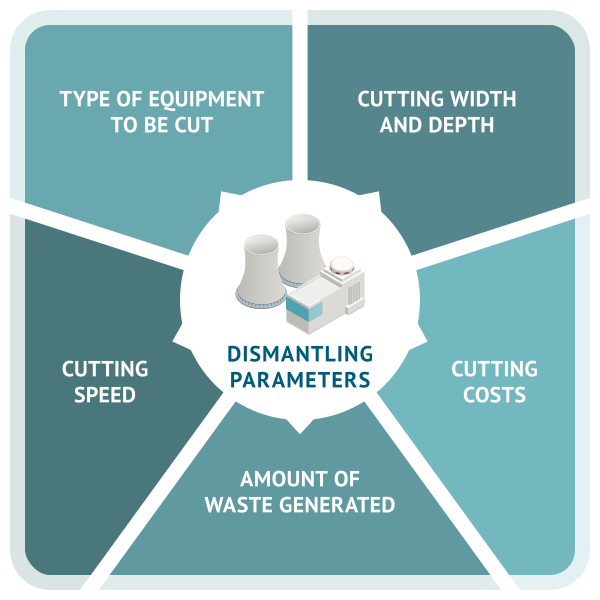
Selection of the appropriate dismantling technology depends on the properties of the equipment being cut, the required efficiency of the work, the amount of waste generated, and the economic requirements of the project. Each technology therefore has its own advantages, limitations, and suitable areas of application.
Video: Remotely operated cutting of contaminated piping during nuclear decommissioning. Such technologies reduce worker exposure and improve safety during dismantling activities.
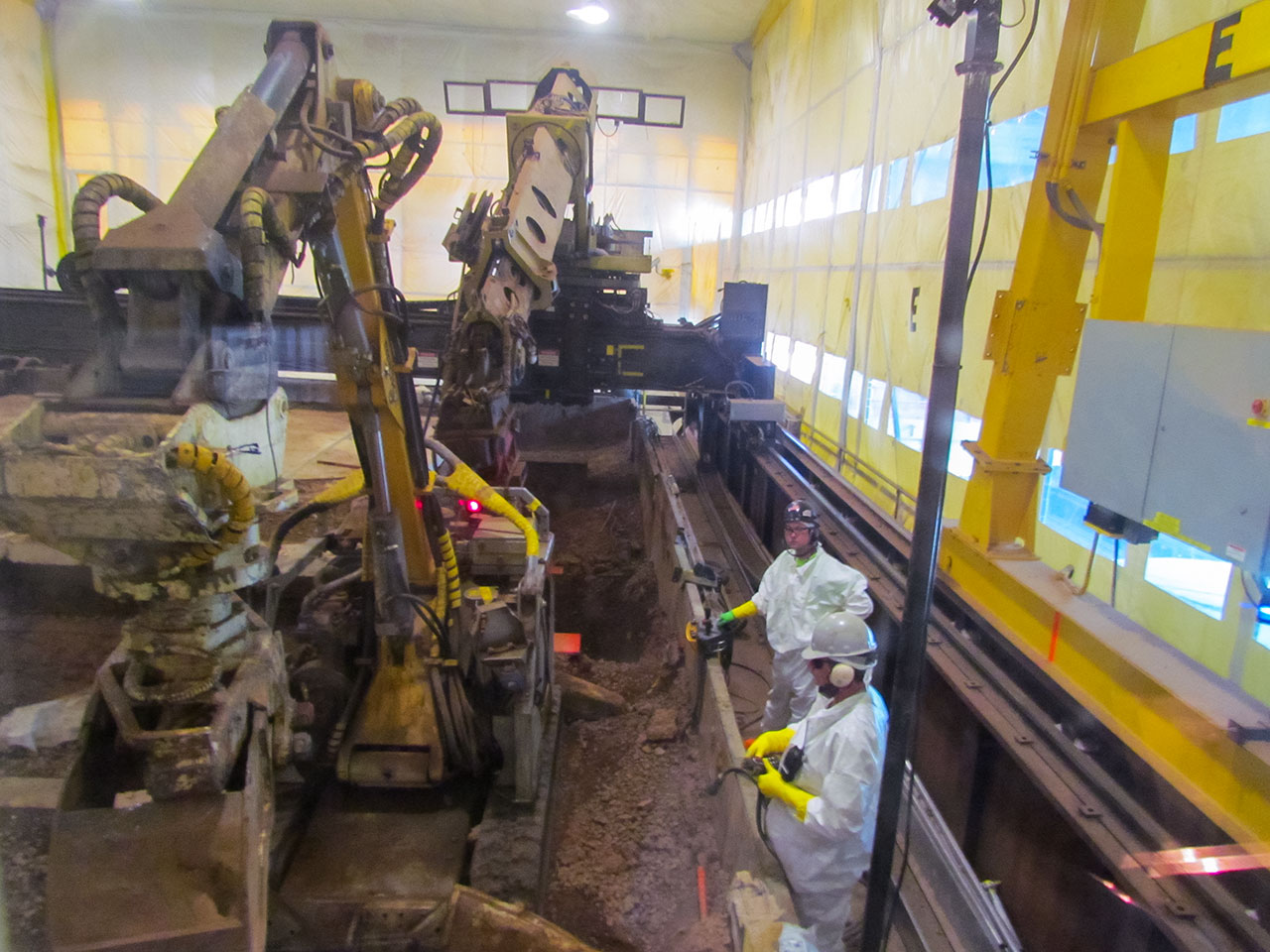
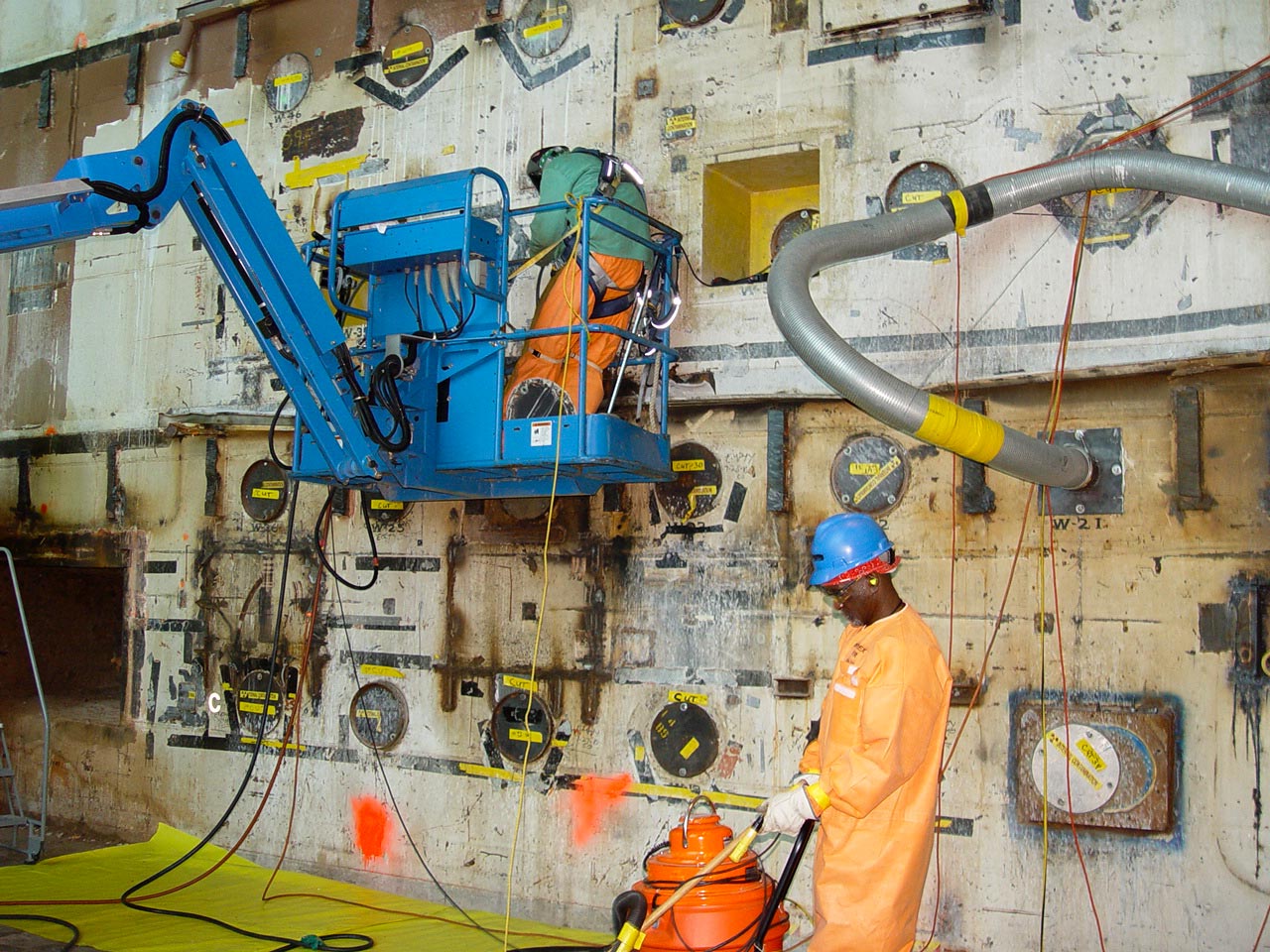
The decommissioning of the Brookhaven Graphite Research Reactor also included dismantling of the biological shielding protecting the surrounding environment from the effects of ionising radiation.
In high-radiation environments, remotely operated technologies and robotic systems are frequently used. These systems may operate underwater, inside heavily contaminated areas, or in locations with limited accessibility. Modern robotic equipment is fitted with cameras, manipulators, cutting tools, and radiation monitoring sensors. This significantly reduces worker radiation exposure and improves the overall safety of the process.
Large components, such as reactor pressure vessels or reactor internals, are often dismantled underwater. The water environment serves as natural radiation shielding while simultaneously capturing some of the radioactive particles generated during cutting. In some cases, entire components may be removed in one piece and transported to specialised facilities for further treatment or disposal.
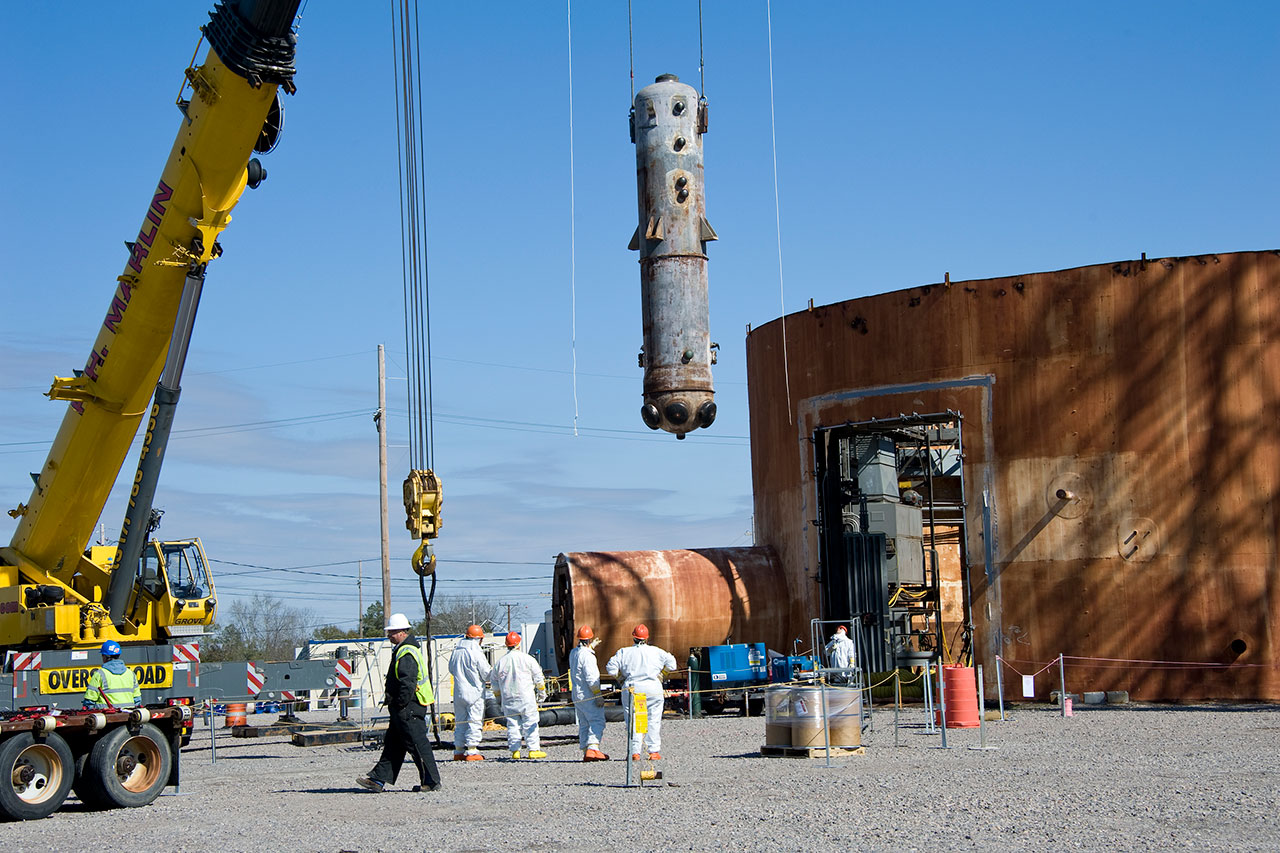
During decommissioning of the Heavy Water Components Test Reactor, some activated components were removed in one piece and subsequently transported to specialised facilities for further treatment.
Video: Underwater laser cutting of highly activated reactor internals during nuclear decommissioning. Water provides radiation shielding and contamination control, while the laser enables precise segmentation of complex metal structures for subsequent handling and disposal.
After contaminated systems have been removed, demolition of civil structures follows. If buildings are radiologically clean after decontamination, conventional demolition technologies known from the construction industry, such as hydraulic demolition equipment or controlled blasting, may be used. Before demolition itself begins, however, it must always be confirmed that the structures meet the requirements for safe removal or release from regulatory control.
At the Fukushima Daiichi Nuclear Power Plant, remotely operated robots are used in areas where radiation levels are too high for humans to enter safely.
(TEPCO — Fukushima Daiichi Decommissioning Project)
Management of Materials and Waste Generated During Decommissioning
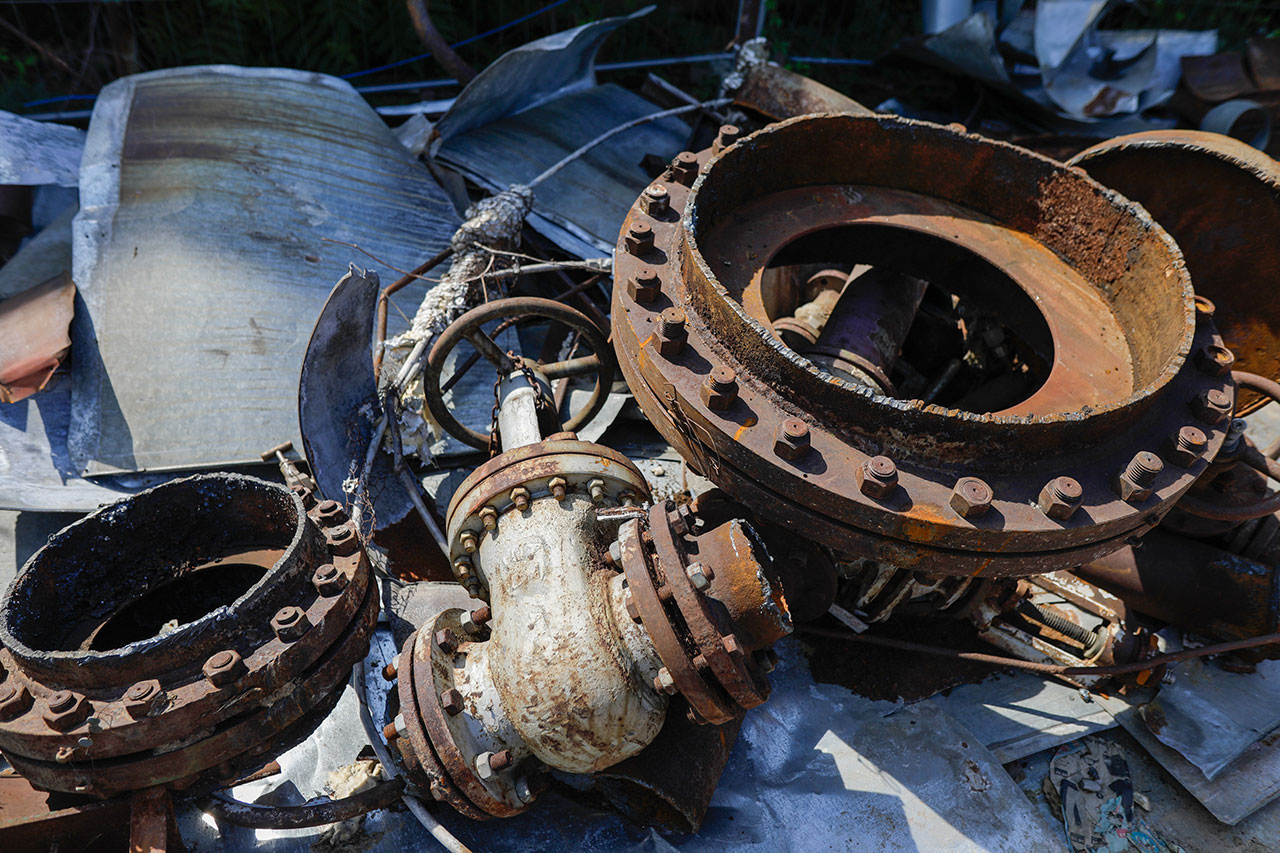
Metallic materials generated during dismantling are segregated after radiological monitoring, and part of them, if meeting release criteria, may be recycled or reused.
During decommissioning, enormous quantities of different materials are generated — ranging from conventional construction waste to highly activated or contaminated components. Proper management of these materials represents one of the most important parts of the entire process. The objective is to minimise the amount of radioactive waste, ensure the safety of workers and the environment, and return as much material as possible for further use.
Materials are first segregated according to their radiological and physical properties. Some of them may, after decontamination, be released from regulatory control, recycled, and subsequently reused in industry. Materials with higher levels of radioactivity are classified as radioactive waste and prepared for further treatment, storage, or disposal.
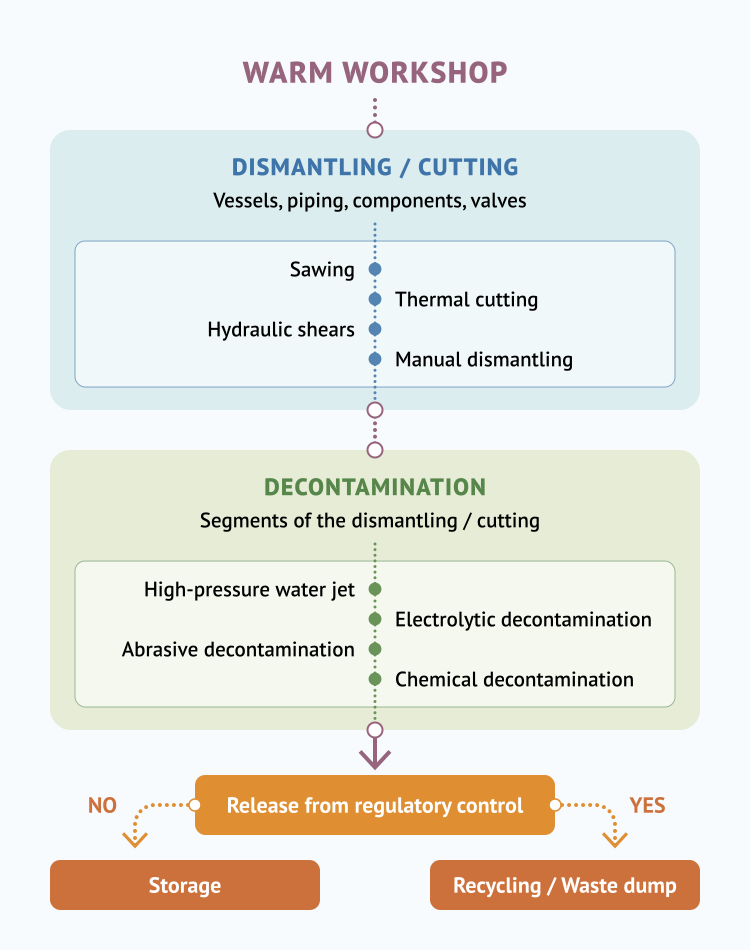
After dismantling and decontamination, materials meeting release criteria may be recycled or disposed of as conventional waste, while the remaining materials stay under regulatory control.
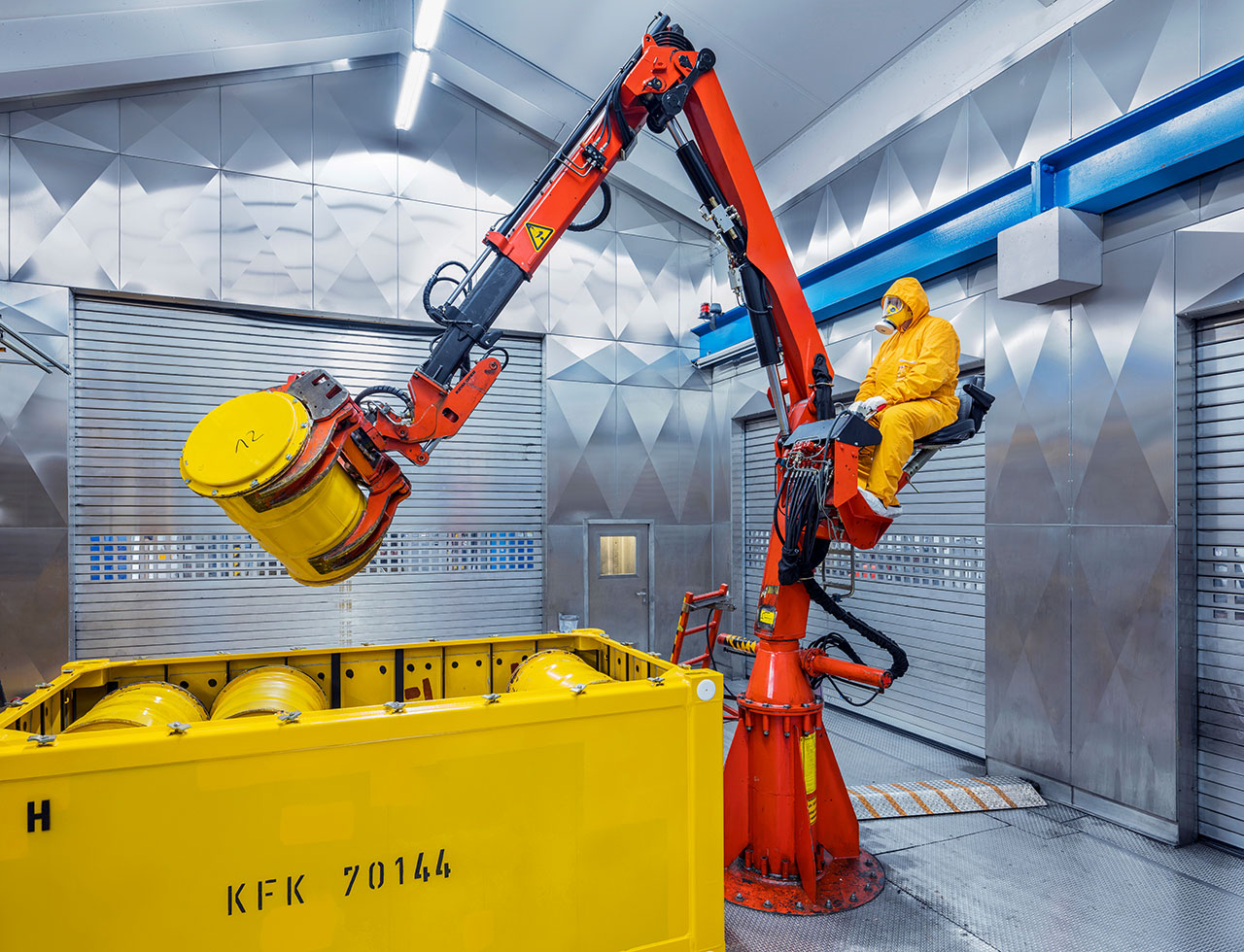
Decommissioning activities also include conditioning radioactive waste into forms suitable for transport and storage. Shielded workplaces and remotely operated equipment are often used for waste handling activities.
The process also includes waste treatment and volume reduction. Metallic components are often cut, compacted, or melted; liquid waste is evaporated or filtered; and some materials are stabilised by cementation or vitrification. The result is the production of standardised waste packages suitable for transport, storage, or final disposal.

Digital records of materials and characterisation parameters make it possible during decommissioning to trace the origin of materials, the history of their processing, and their current location throughout the entire logistics chain.
Accurate record-keeping and tracking of material flows are of great importance. Modern decommissioning projects use specialised database systems and material tracking systems that record the origin of materials, radiological parameters, processing methods, and current locations of individual waste packages. These systems are important not only for safety, but also for compliance with regulatory requirements.
Waste management does not end with completion of facility decommissioning. Some radioactive waste must remain stored for decades in specialised storage facilities, and part of it will in future be disposed of in deep geological repositories. Long-term safe disposal of radioactive waste therefore represents one of the greatest long-term challenges of the entire nuclear decommissioning process.
During decommissioning, up to 90% of the total material from a nuclear power plant may eventually be cleared, recycled, or disposed of as conventional waste.
(World Nuclear Association — Decommissioning Nuclear Facilities)