

Legislative Framework
7 min read
Decommissioning Licence
The decommissioning of a nuclear facility represents a major change in its lifecycle and therefore requires a dedicated licensing process. No significant decommissioning activities may begin without the appropriate licence issued by the regulatory body.

Obtaining a decommissioning licence requires an extensive approval process involving technical analyses, safety assessments, and detailed preparation of project documentation.
As part of the licensing process, extensive documentation describing the planned activities, safety measures, waste management arrangements, work schedule, and intended final site condition must be submitted. The documentation must demonstrate that decommissioning can be carried out safely and in compliance with national legislation and regulatory requirements.
The licensing process is usually carried out during the transition period between facility operation and the actual start of decommissioning activities. In addition to the operator and the regulatory body, other governmental institutions, technical support organisations, and the public are also involved in the process. Open communication, clearly defined responsibilities, and transparent decision-making therefore form an important part of the entire process.
The duration of the decommissioning licensing process, including preparation of the relevant licensing documentation, typically ranges from 3 to 5 years.
(IAEA — Licensing process for decommissioning)
Responsibilities of the Parties Involved

The facility operator bears the primary responsibility for safe decommissioning and must ensure compliance with all technical, legislative, and safety requirements throughout the entire process.
A number of organisations and institutions are involved in the decommissioning of a nuclear facility, each with clearly defined responsibilities. The fundamental principle is that the primary responsibility for safe decommissioning rests with the operator of the facility, also referred to as the licensee.
The operator is responsible for preparation of documentation, work planning, radiation protection, environmental protection, and the implementation of decommissioning activities themselves. The operator must also ensure sufficient financial resources, qualified personnel, and compliance with all regulatory requirements.
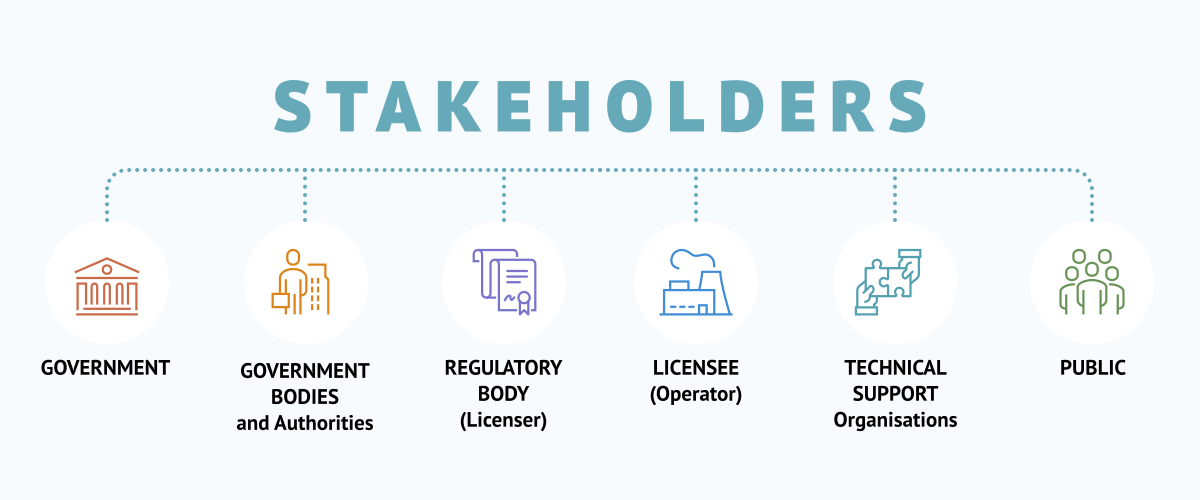
The decommissioning of nuclear facilities requires close cooperation between the operator, regulatory bodies, governmental institutions, technical support organisations, and the public.
The government establishes the legislative and regulatory framework within which the entire process takes place. It also defines the responsibilities of the regulatory body and the rules governing radioactive waste management and protection of the public. The regulatory body subsequently oversees compliance with requirements, reviews submitted documentation, performs inspections, and issues the necessary licences and authorisations.
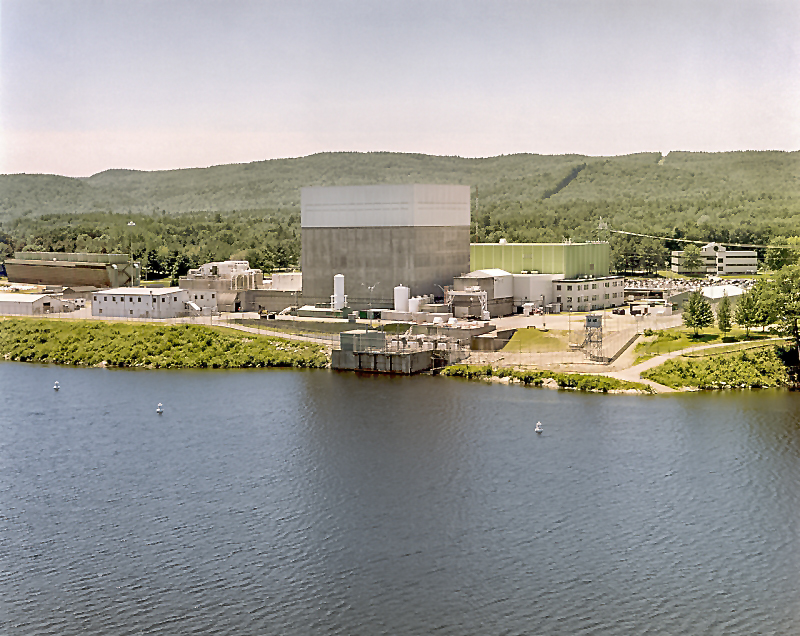
The decommissioning of Vermont Yankee Nuclear Power Plant involved an extensive licensing and approval process covering safety documentation, project financing, and spent fuel management planning.
Specialised contractors, technical support organisations, and research institutions are also frequently involved in decommissioning projects. The public and local communities likewise play an important role, as they may submit comments and requirements during the licensing process. Transparent communication and public involvement help to increase confidence in the overall decommissioning process.
In many countries, local communities and members of the public can formally participate in the licensing process for nuclear decommissioning projects.
(OECD NEA — Stakeholder Involvement in Decommissioning)
Nuclear and Radiation Safety During Decommissioning
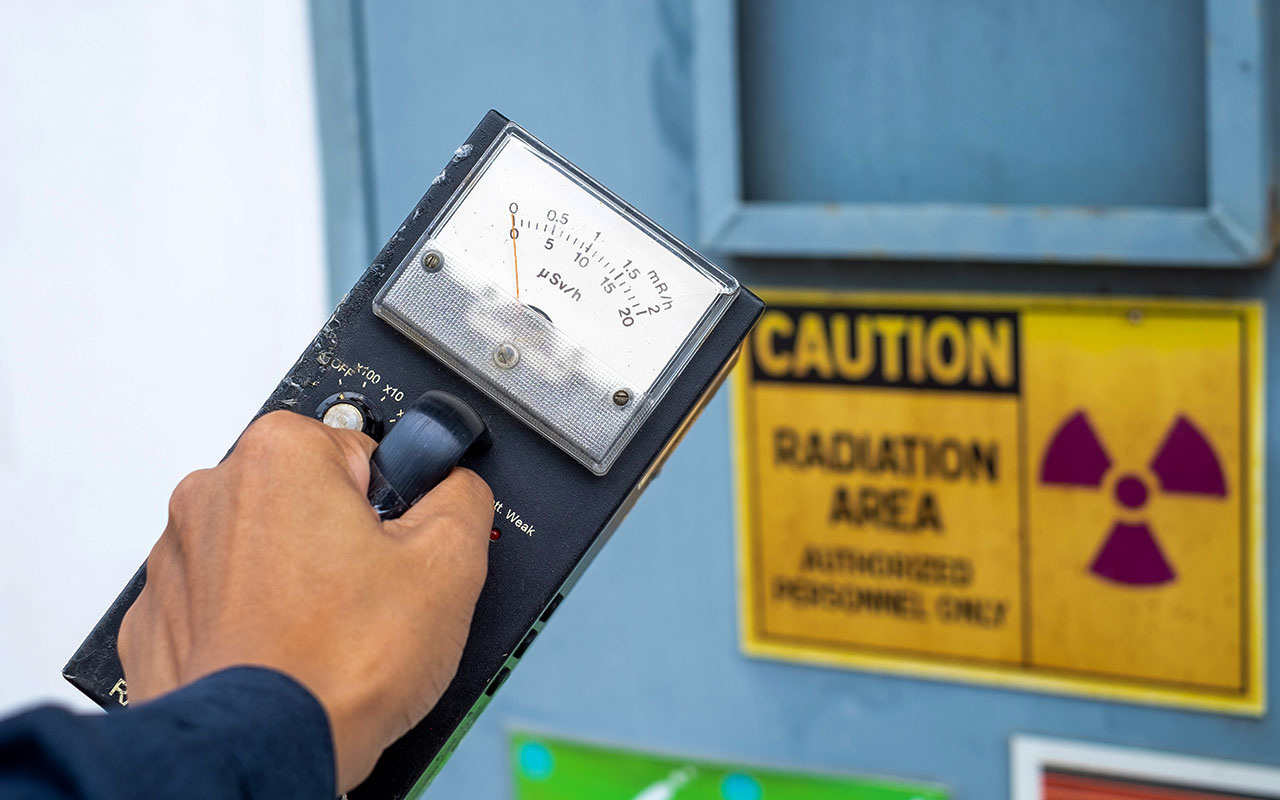
Continuous radiation monitoring makes it possible to control the safety of the working environment and verify that contamination is not spreading beyond designated areas during decommissioning activities.
Safety represents the most important requirement throughout the entire decommissioning process of a nuclear facility. Although the risk of a severe accident usually decreases significantly after removal of the nuclear fuel, decommissioning introduces new types of hazards and work activities that must be carefully controlled.
One of the main objectives is ensuring radiation protection of workers and the surrounding environment. During decontamination, equipment cutting, or demolition activities, radioactive particles may be released, working areas may become contaminated, and worker radiation exposure may increase. Every activity must therefore be carefully planned and monitored.
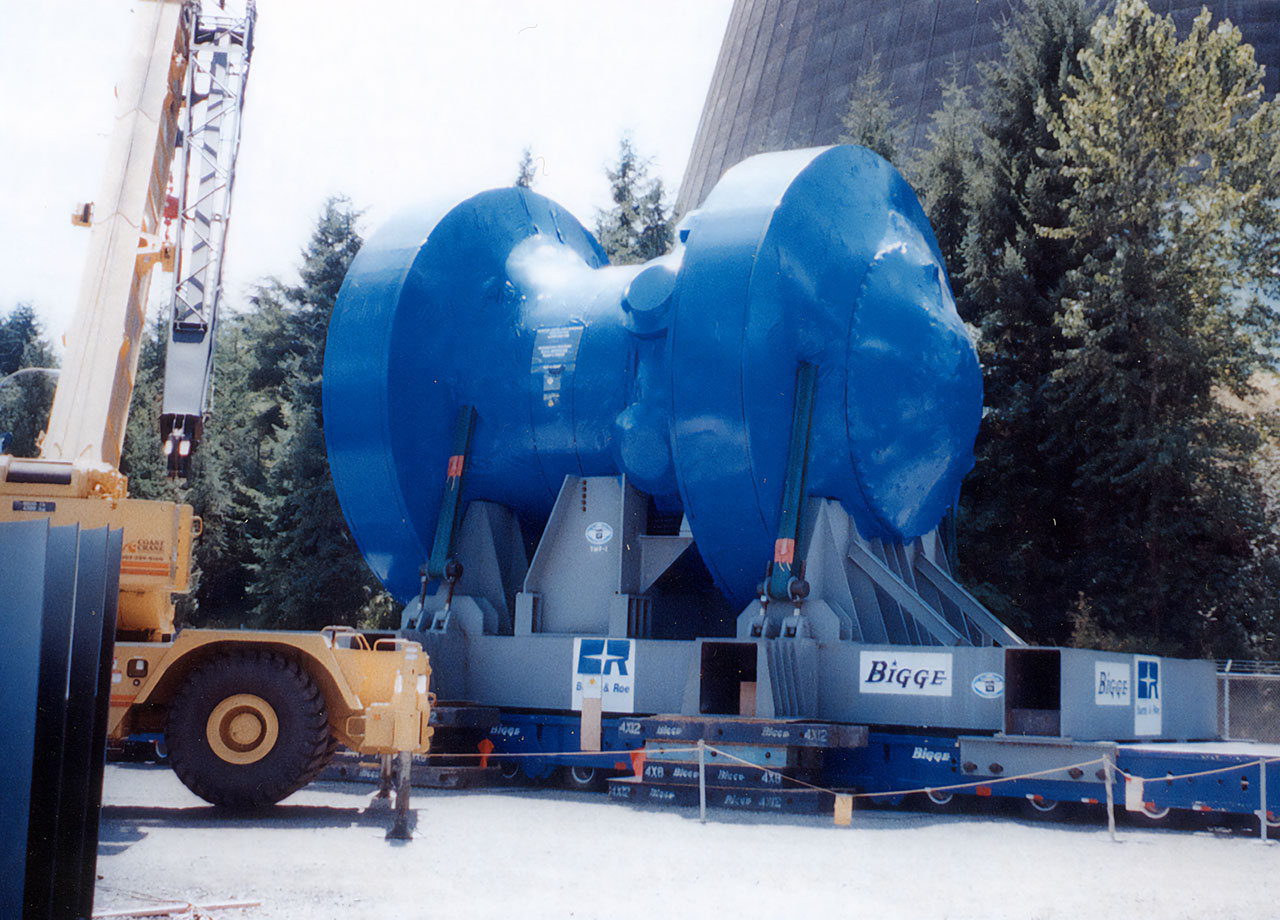
Transportation of the reactor pressure vessel from the Trojan Nuclear Power Plant represented an exceptionally demanding technical and safety operation involving radiation protection of workers as well as handling of very heavy and activated equipment.
Another important area of safety is criticality prevention, meaning the prevention of an uncontrolled nuclear chain reaction. Although nuclear fuel is usually removed from the reactor before decommissioning begins, fissile or other radioactive materials may still remain in certain parts of the facility and require special control and safe storage.
During decommissioning, conventional industrial hazards also become increasingly important, including work at height, handling of heavy loads, fire hazards, and the use of various cutting technologies. As decommissioning progresses, the significance of non-radiological hazards often increases, while radiological risks gradually decrease.
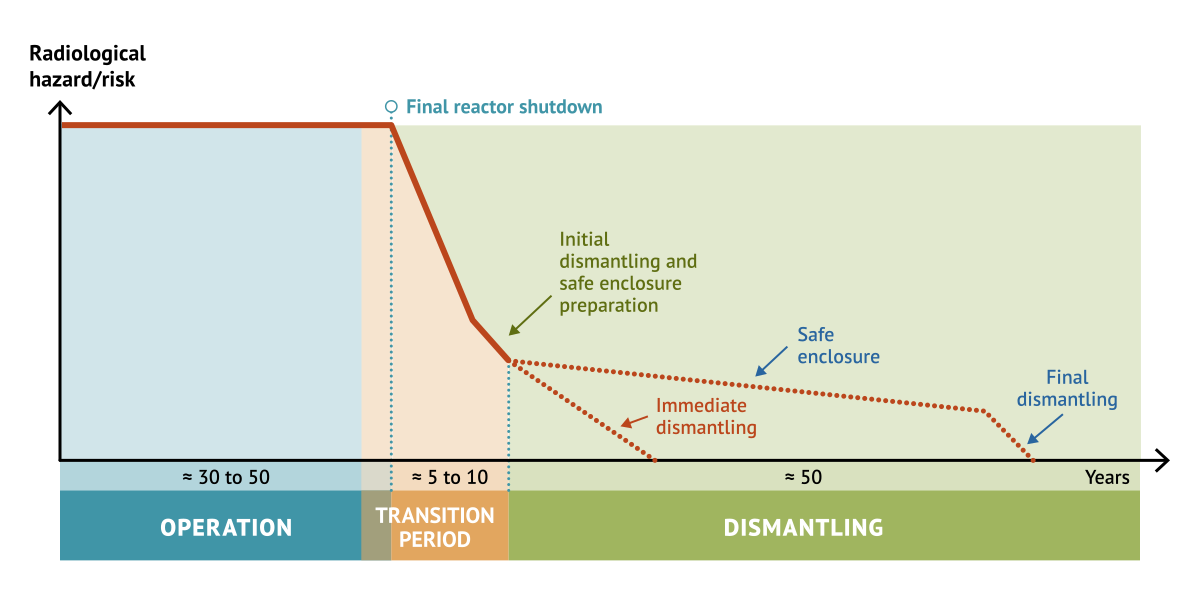
After permanent shutdown of the facility, radiological risks are significantly reduced during the transition period through fuel removal, system decontamination, and processing of operational waste. Further development then depends on the selected decommissioning strategy.
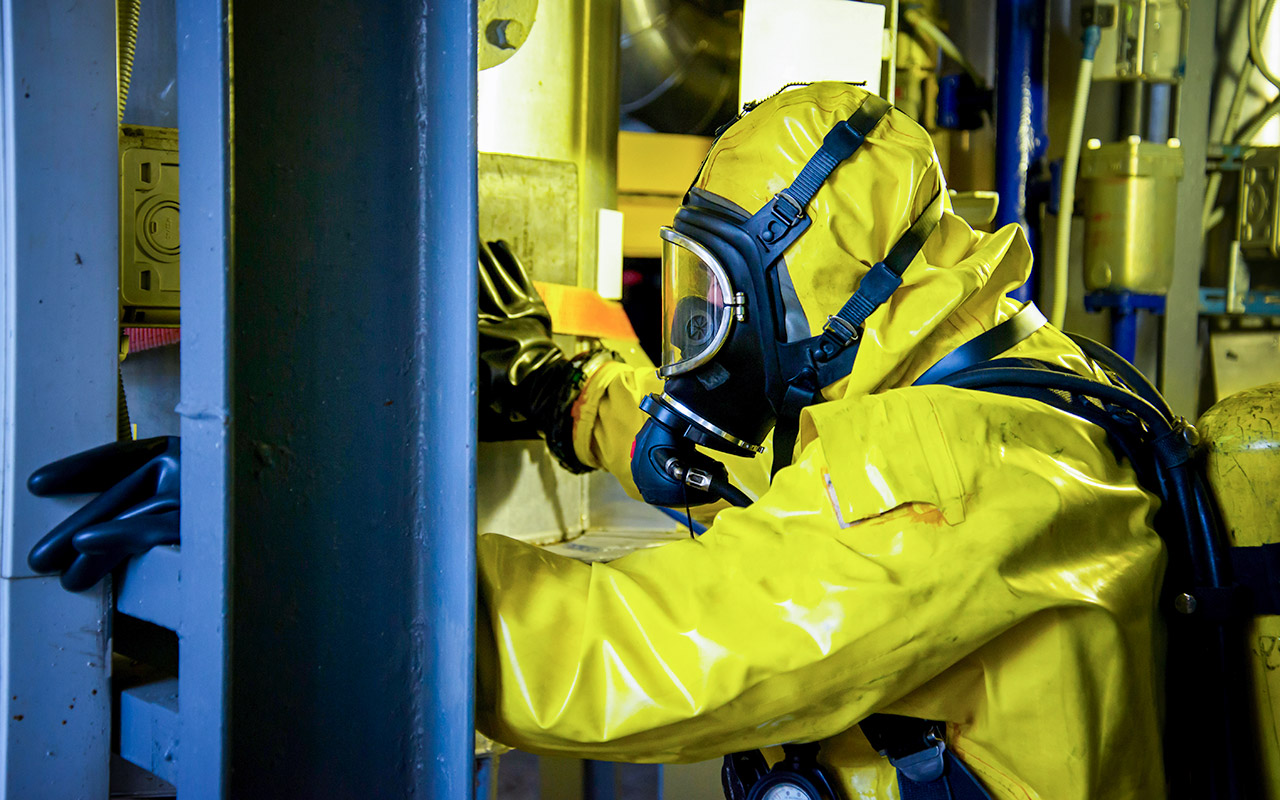
The use of protective suits and respiratory protection equipment is among the fundamental measures ensuring radiation protection of workers during nuclear decommissioning activities.
Emergency preparedness also forms an important part of safety. Even during decommissioning, procedures must be in place for managing abnormal events such as fires, contamination releases, or failures of important systems. Preparation includes regular personnel training, emergency plans, and cooperation with emergency response services.
Decommissioning safety is continuously verified through safety assessments, regulatory inspections, and oversight activities. The objective is to ensure that all activities are carried out in compliance with legislation, safety requirements, and approved documentation.
Monitoring and Protection of Workers and the Surrounding Environment
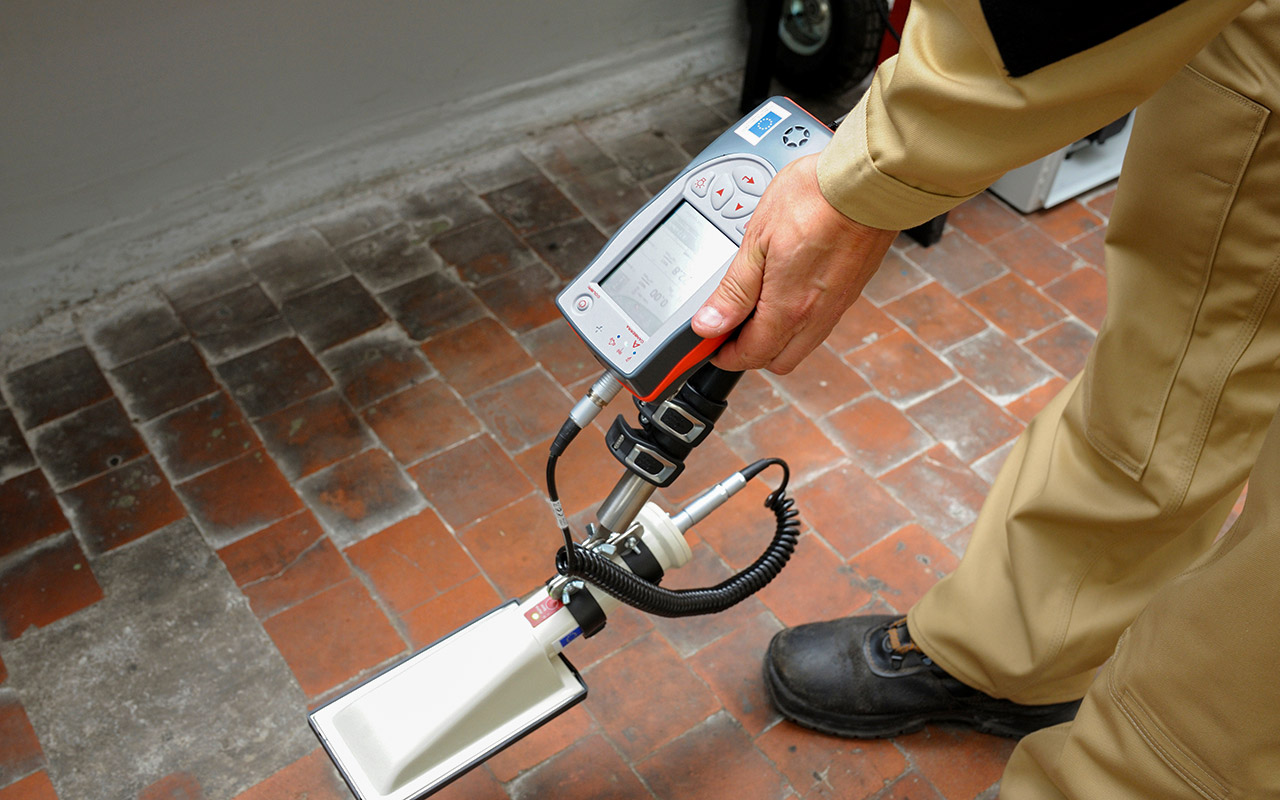
Radiation monitoring is one of the fundamental safety measures during nuclear decommissioning and enables continuous control of contamination levels within the working environment.
An integral part of decommissioning is continuous radiation monitoring and control of contamination within the working environment. Measurements include, for example, dose rates, concentrations of radioactive substances in the air, and contamination of surfaces and equipment.
Workers use personal dosimeters, protective clothing, respirators, and specialised filtration systems that reduce the risk of radiation exposure and inhalation of radioactive particles. Protective measures also commonly include controlled areas, decontamination facilities, and air filtration systems.
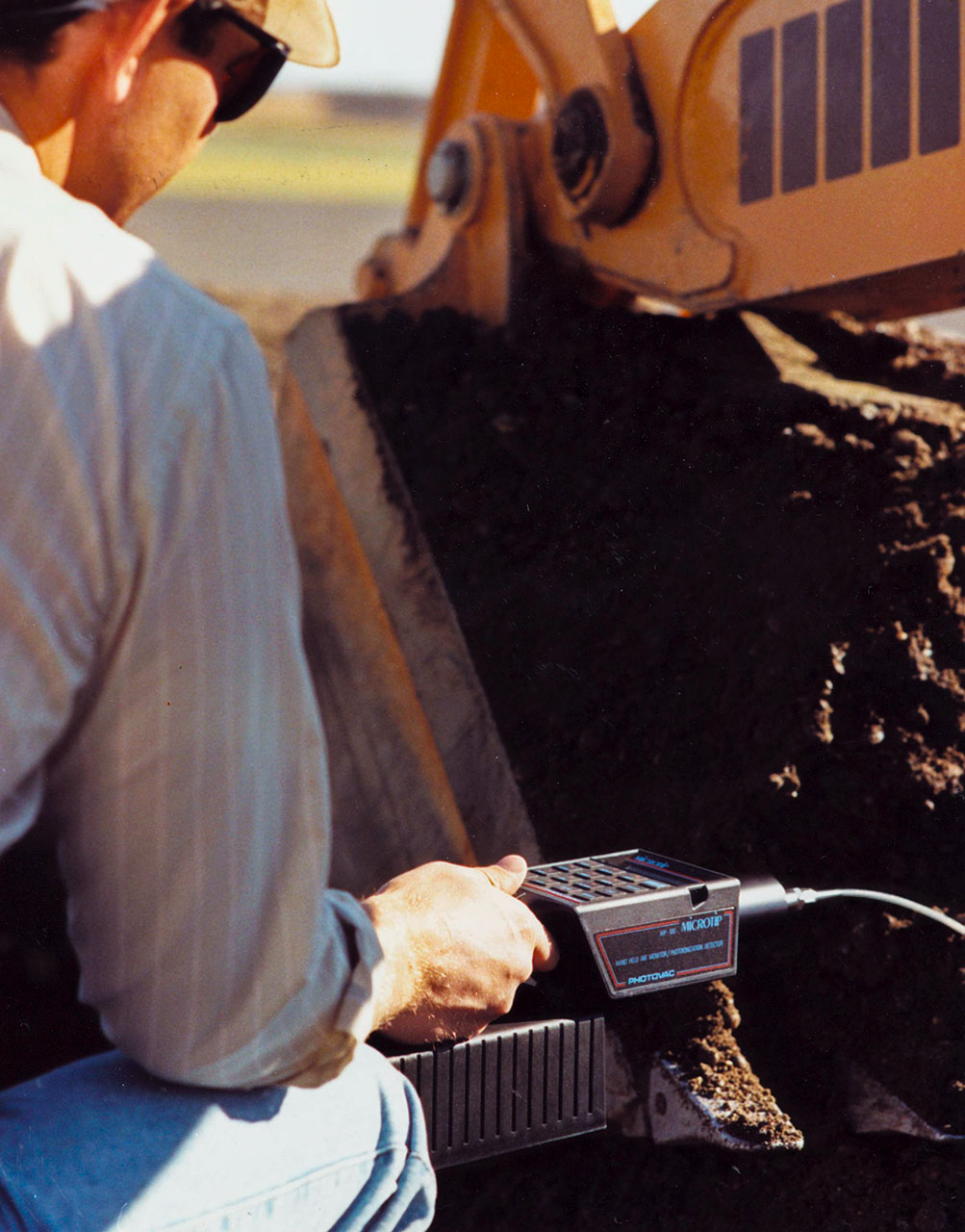
Monitoring during decommissioning also includes regular inspection of soil, groundwater, and the surrounding environment in order to detect possible releases of hazardous substances or site contamination at an early stage.
However, monitoring does not apply only to the facility itself. Surrounding buildings, soil, groundwater, and air in the vicinity of the site are also regularly monitored. The objective is to ensure that decommissioning activities do not result in unacceptable impacts on the public or the environment.
Some decommissioning projects involve thousands of separate radiation measurements before a building or site can be released from regulatory control.
(IAEA — Release of Sites from Regulatory Control)