



Preparation for Decommissioning
9 min read
Inventory for Decommissioning
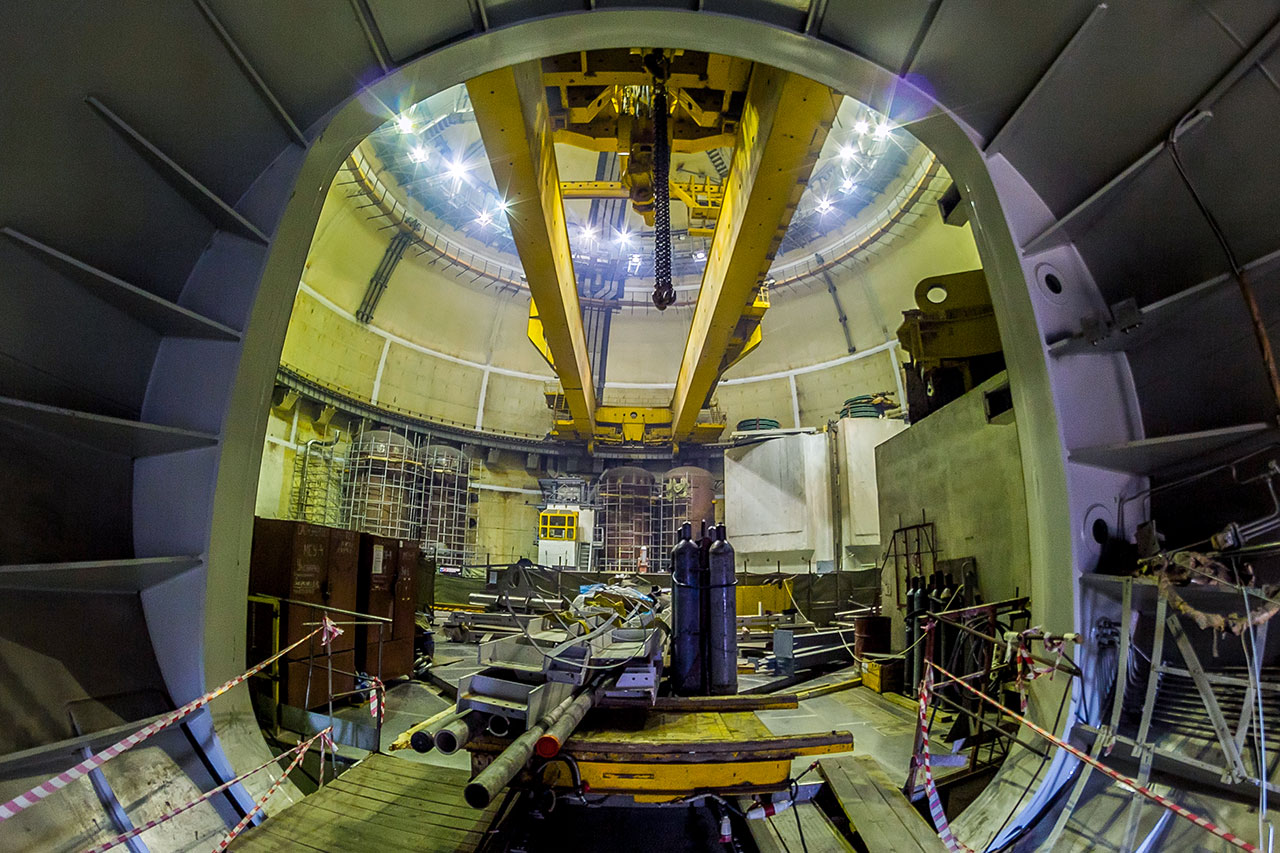
Before decommissioning begins, a detailed facility inventory is performed in order to map the actual condition of technological systems, structures, and areas affected by radiation or contamination.
One of the basic prerequisites for successful decommissioning is detailed knowledge of the actual condition of the facility. Therefore, before the main decommissioning activities begin, an extensive inventory process — also referred to as facility characterisation — is carried out. Its objective is to collect all important information needed for decommissioning planning, cost estimation, selection of appropriate technologies, and preparation of safety assessments.
The inventory process covers several areas. Physical inventory focuses on buildings, rooms, technological systems, and individual components, including their dimensions, materials, and mass. Hazardous material inventory identifies the presence of hazardous substances such as asbestos, oils, chemicals, or toxic coatings. The most important part is the radiological inventory, which determines the extent of contamination and activation of individual systems, components, and structures.

Preparation for decommissioning also involves the use of historical documentation and personnel experience, helping to better understand the actual condition and operational history of the facility.
Historical information about facility operation is of great importance. This includes design documentation, operational records, information on repairs and modifications, as well as knowledge from current and former employees. Personnel experience often helps identify areas with a higher probability of contamination or clarify past operational events.
The inventory process also includes measurements, sampling, and modern digital documentation methods. Increasing use is being made of laser scanning, photogrammetry, 3D modelling, and virtual facility walkthroughs. These technologies enable more accurate planning of future dismantling activities and improve worker safety.
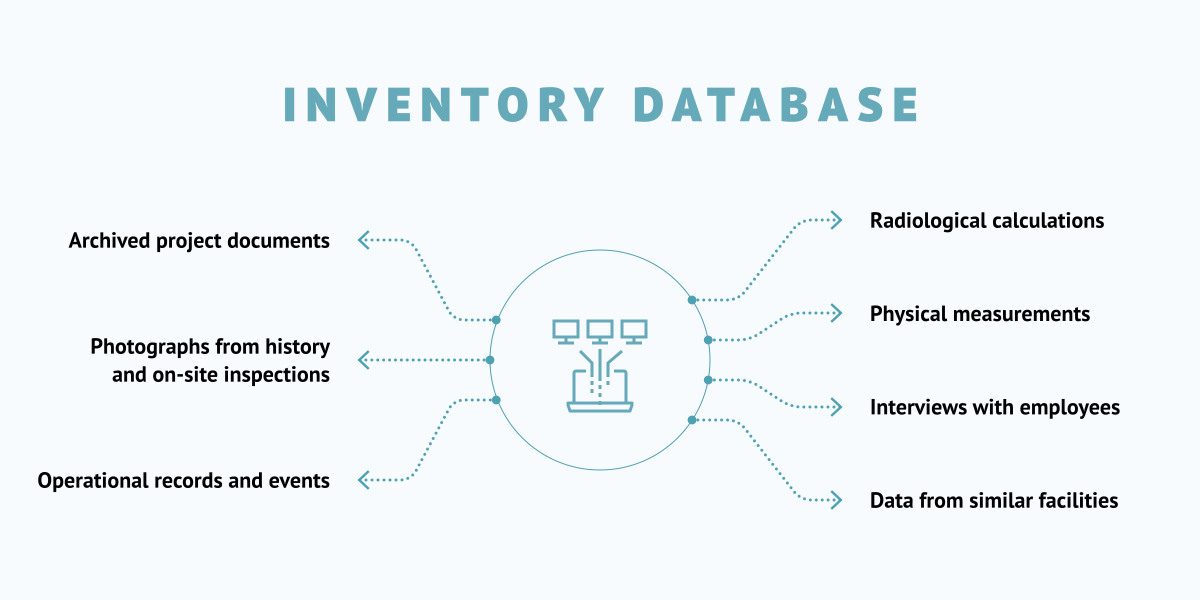
The facility inventory database is created by combining archival documentation, radiological calculations, on-site measurements, and information obtained from additional sources.
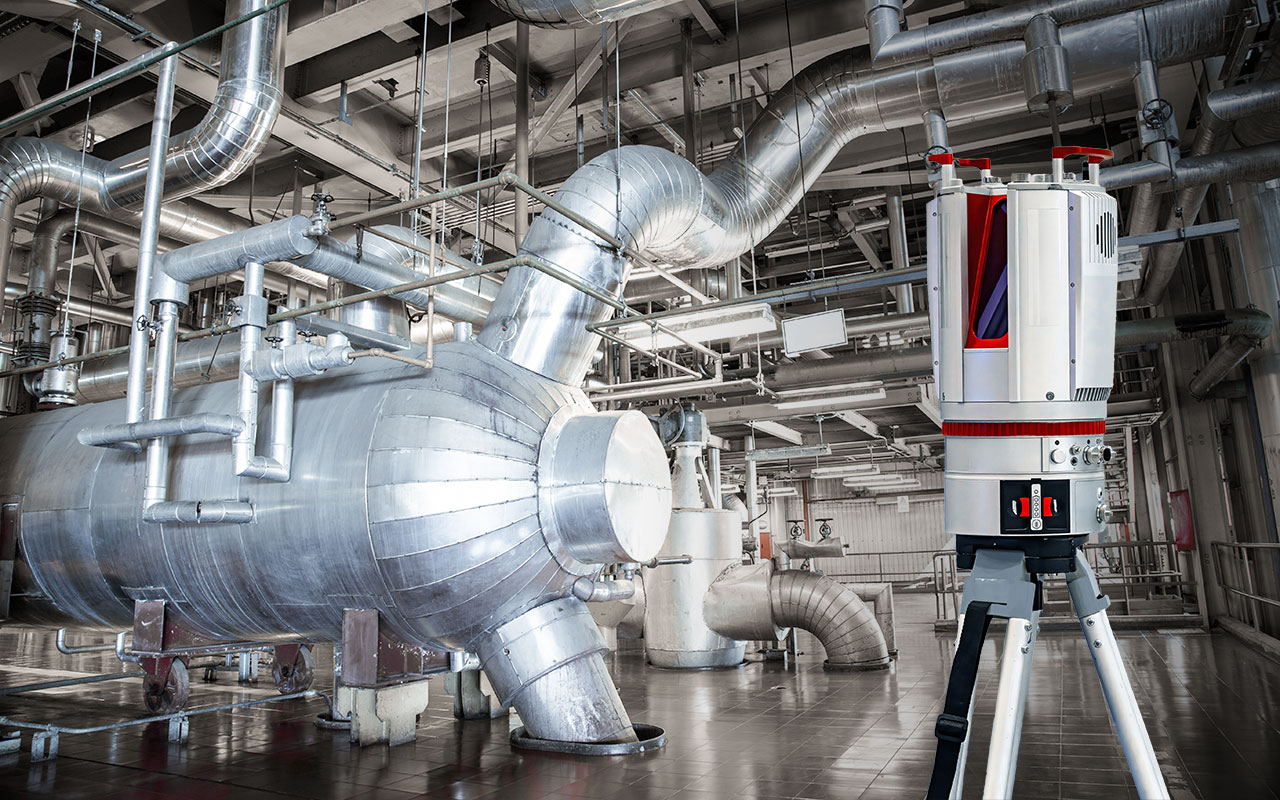
Modern facility inventory increasingly uses 3D laser scanning and digital modelling, allowing detailed documentation of the actual condition of technological systems before dismantling activities begin.
All collected information is stored in extensive databases that serve as the basis for decommissioning planning, waste estimation, radiation protection, and management of individual activities. Poor-quality or incomplete inventory data may lead to incorrect decisions, underestimated costs, and unexpected complications during decommissioning.
Some decommissioning projects generate millions of data records related to radiation surveys, waste tracking, and dismantling activities.
(U.S. Department of Energy — Decommissioning and Environmental Management Projects)
Decommissioning Costs
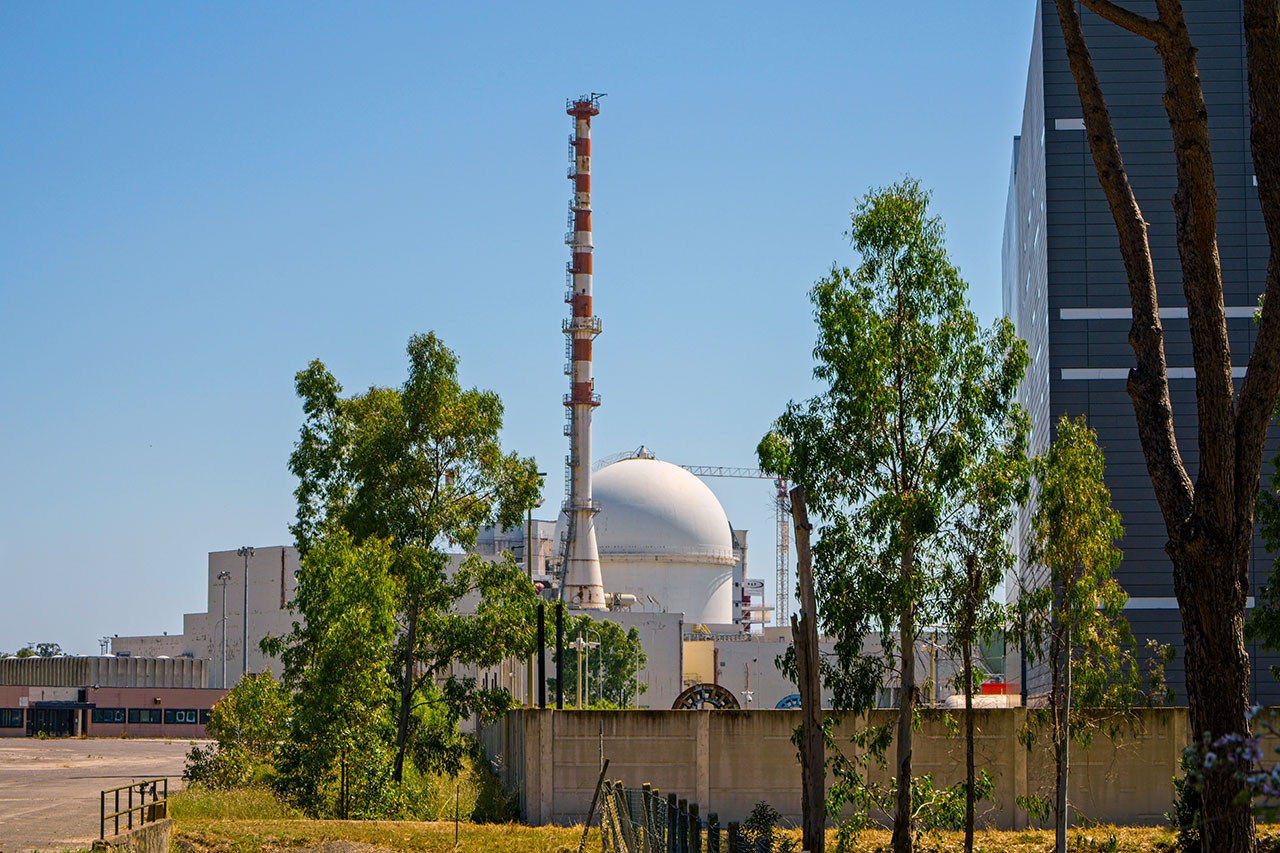
The decommissioning of Latina Nuclear Power Plant forms part of Italy’s long-term and financially demanding programme for the phase-out of nuclear energy following the shutdown of all Italian nuclear power plants.
The decommissioning of nuclear facilities is both a technically and financially demanding process, with costs that may reach hundreds of millions or even billions of euros. Accurate estimation of future expenditures is therefore an important part of planning already during facility operation. Costs include, for example, decontamination, dismantling of equipment, demolition of buildings, radioactive waste management, site monitoring, and long-term storage of materials.
A significant portion of the costs is influenced by the selected decommissioning strategy, the quantity of radioactive waste generated, and the required final site condition. Estimates of future costs are always associated with a certain degree of uncertainty, since decommissioning itself may take place several decades after the first plans are prepared. For this reason, cost estimates are regularly updated according to new technical information, legislative requirements, and economic developments.
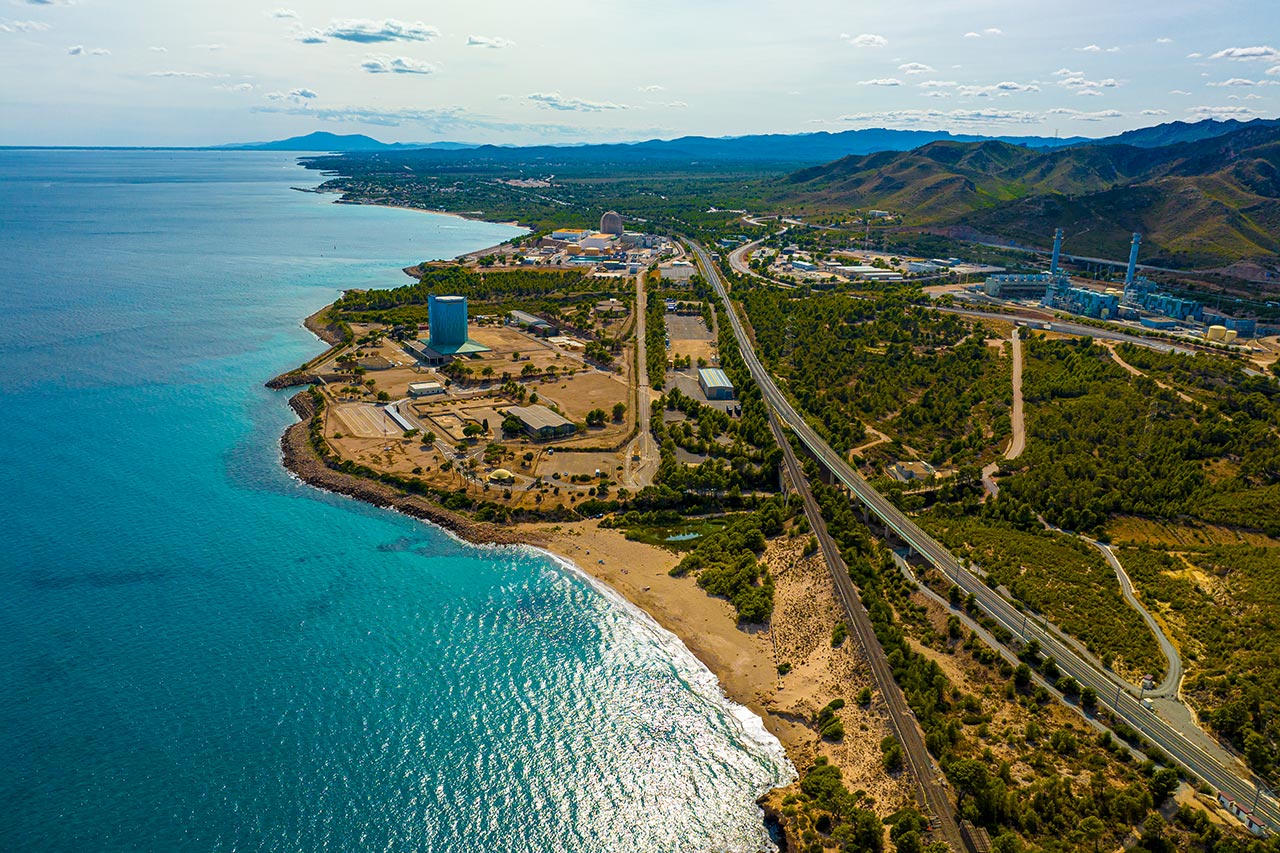
Part of the decommissioned Vandellòs I Nuclear Power Plant was placed into a long-term safe enclosure condition after shutdown. The selected decommissioning strategy significantly influences the overall project costs, project duration, and future site use.
In most countries, dedicated funds are established during the operational lifetime of nuclear facilities to finance future decommissioning activities. Contributions are usually collected progressively from revenues generated by electricity production or facility operation. The fundamental principle is that the costs of decommissioning and waste management should be borne by the facility operator rather than by future generations.
The decommissioning cost of a single large nuclear reactor can exceed 1 billion USD depending on the selected strategy and the condition of the facility.
(World Nuclear Association — Decommissioning Nuclear Facilities)
Transition from Operation to Decommissioning
The period between permanent shutdown of a facility and the beginning of decommissioning activities is referred to as the transition period. This is a very important stage during which the facility is progressively transformed from an operating nuclear installation into a facility prepared for decommissioning. At the same time, changes are made to technical systems, work organisation, and overall site management.
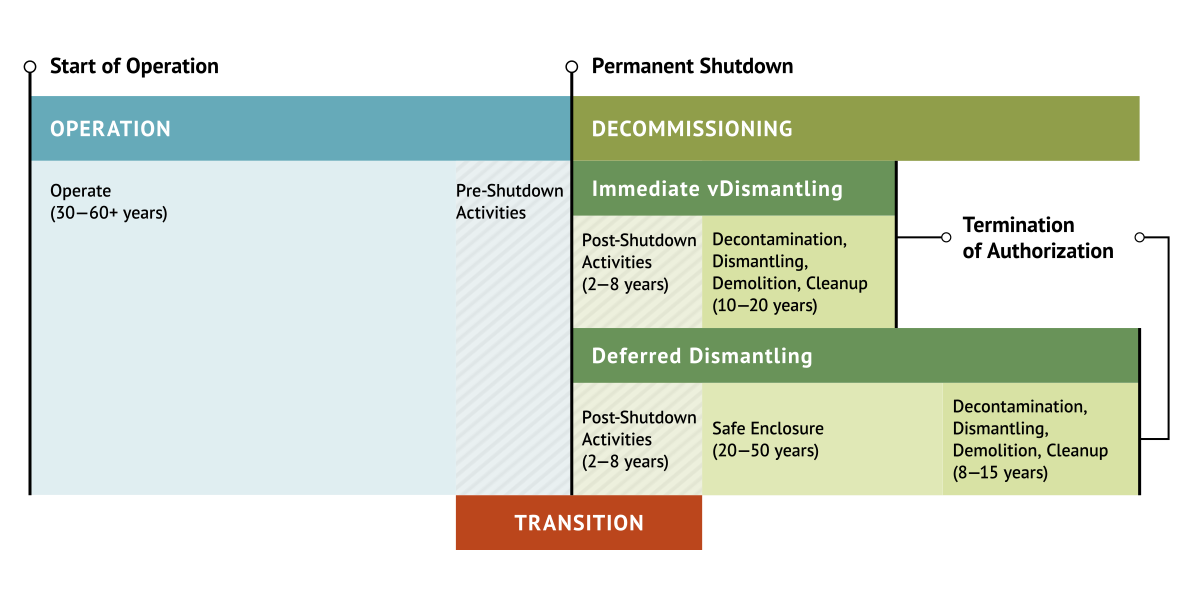
Typical lifecycle of a nuclear facility from operation through the transition period to the various decommissioning strategies and the achievement of the final site condition.
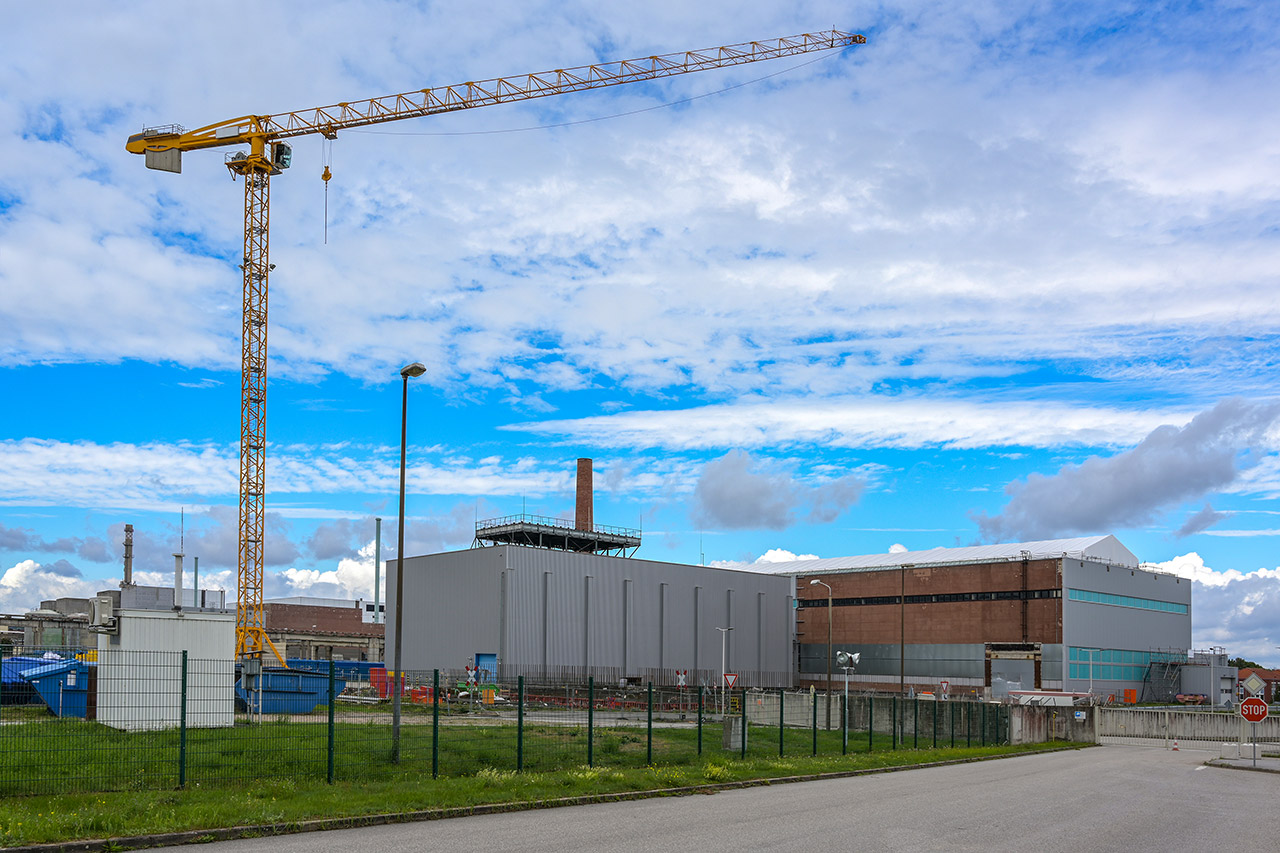
Removal of spent nuclear fuel represents an important part of the transition from operation to decommissioning. The decommissioning project of Greifswald Nuclear Power Plant also included the construction of an interim storage facility for its safe long-term storage.
One of the most important activities is the removal of nuclear fuel from the reactor and its transfer to spent fuel pools or interim spent fuel storage facilities. At the same time, operational fluids are removed, systems are cleaned, selected equipment is decontaminated, and systems no longer required for subsequent phases are shut down. The objective of these activities is to reduce both radiological and conventional industrial hazards before dismantling activities begin.
The transition period also brings significant organisational changes. Part of the operational workforce leaves the facility, while other personnel must acquire new knowledge and skills required for decommissioning activities. In many cases, a dedicated project team focused on planning and management of future dismantling activities is established.
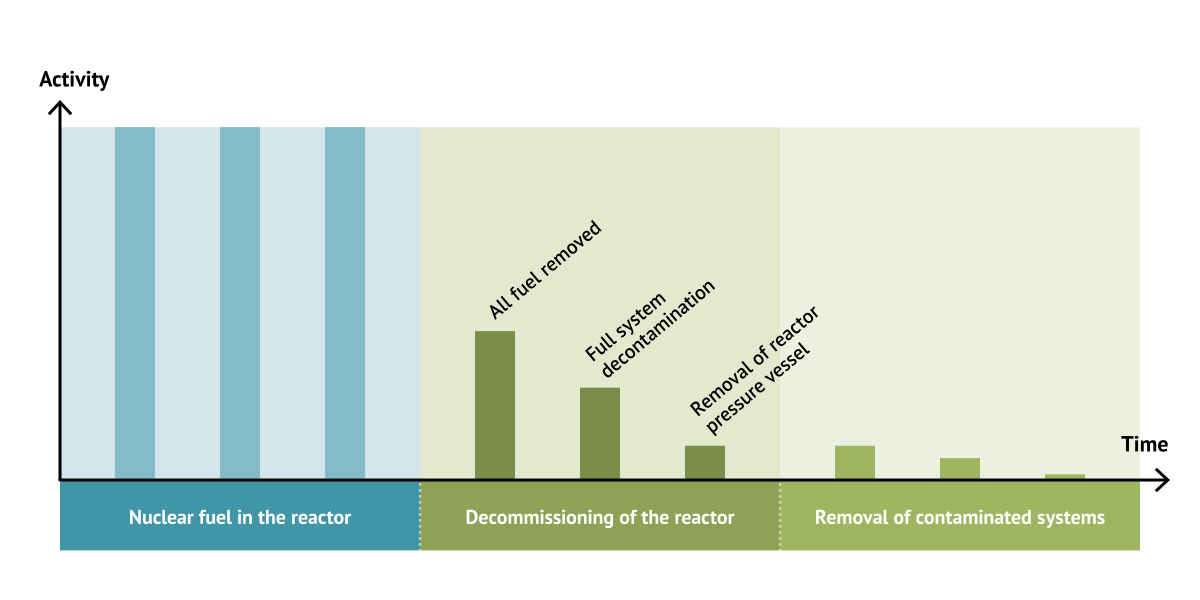
Individual decommissioning steps, particularly fuel removal, system decontamination, and dismantling of major components, significantly reduce the radiological inventory of the facility and facilitate subsequent dismantling activities.
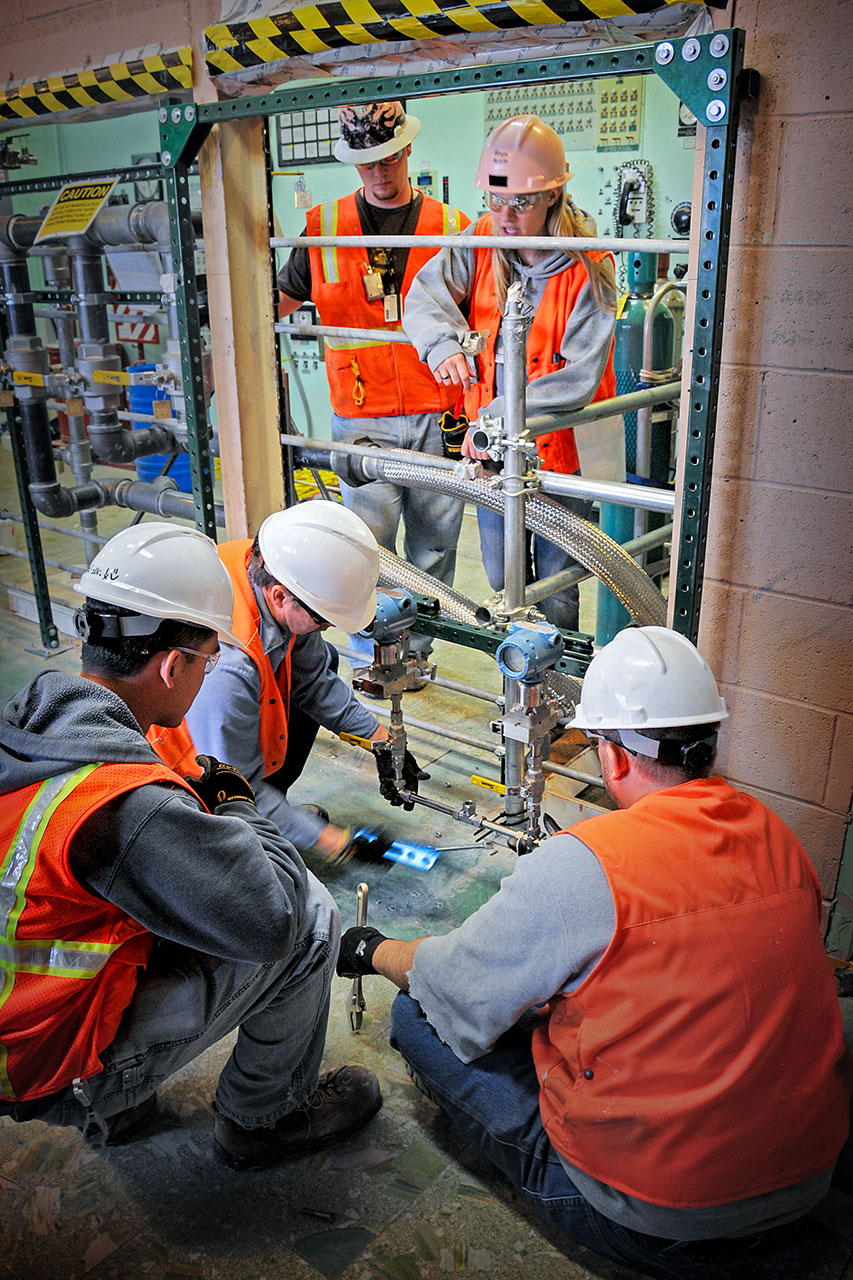
The transition from operation to decommissioning also includes the preparation and implementation of new technological procedures and systems required for the safe decontamination and subsequent dismantling of the Experimental Breeder Reactor-II.
At several decommissioned nuclear power plant sites in Europe, former reactor operators were retrained to work as radiation protection specialists, dismantling supervisors, or radioactive waste management experts.
(OECD NEA — Managing Human Resources in Decommissioning)
Communication with regulatory authorities, the public, and local communities also plays an important role. The shutdown of a nuclear facility may have significant economic and social impacts on the surrounding region, and it is therefore important to provide timely information about planned activities and possible future uses of the site.
Management of the Decommissioning Process
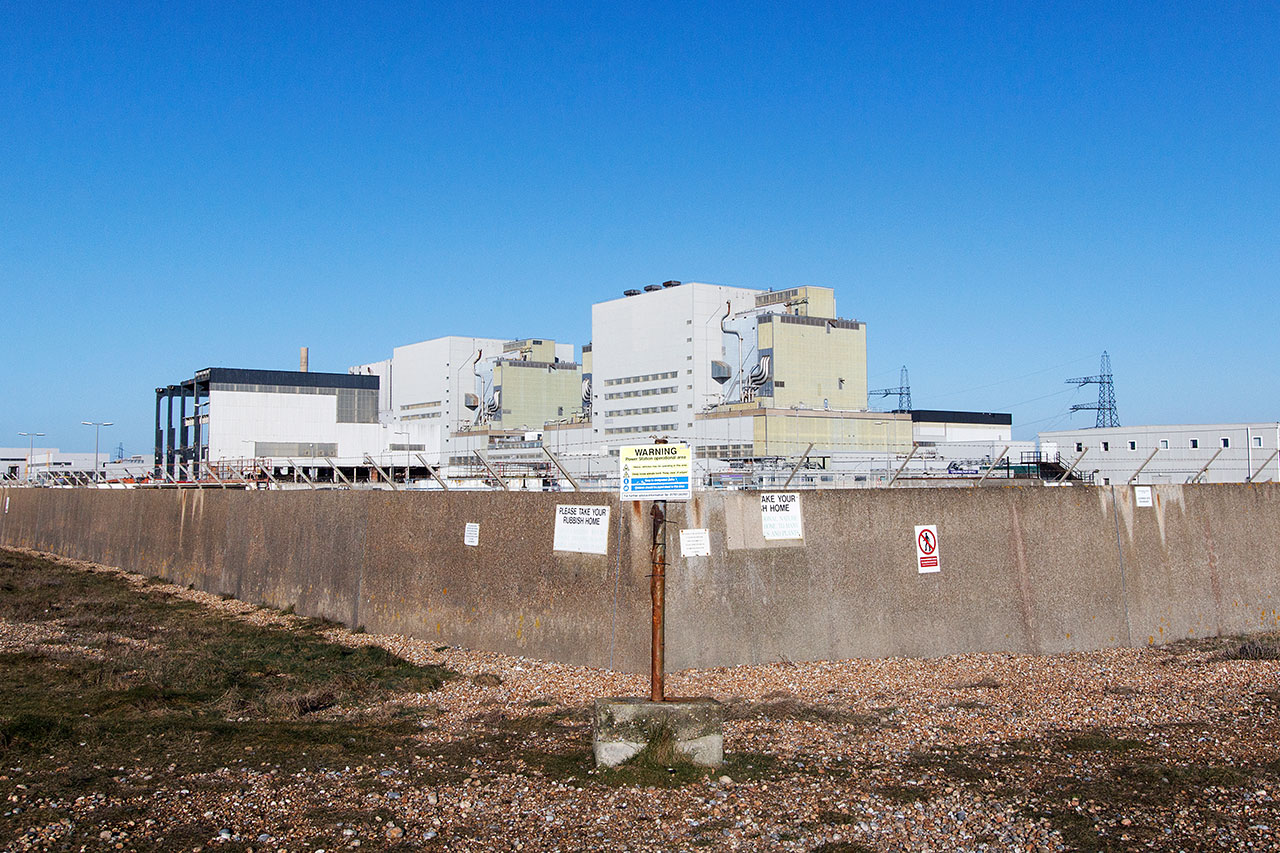
Dungeness A Nuclear Power Station with its Magnox reactors is located at one of the most unusual nuclear sites in the United Kingdom — on the Dungeness coastal headland. Decommissioning activities are being carried out in close proximity to the newer Dungeness B Nuclear Power Station.
The decommissioning of a nuclear facility is a large-scale project that may last for several decades and involve thousands of individual activities. Successful implementation therefore requires a comprehensive management system covering planning, quality control, risk management, documentation, and coordination of large numbers of personnel, contractors, and technological activities.
The principal management tool is usually an integrated management system that combines requirements related to safety, radiation protection, environmental protection, quality assurance, and project economics. Management activities also include detailed records of all activities performed, facility modifications, generated waste, and measurement results. Continuous updating of documentation and preservation of knowledge gained during operation and decommissioning also play an important role.

Communication with the public and local communities represents an important part of nuclear decommissioning projects. Open communication about the progress of activities and implemented safety measures helps to strengthen public confidence in the overall process.
Personnel training is of great importance as well. Staff must be trained not only in radiation protection and industrial safety, but also in the use of specialised decontamination and dismantling technologies. Modern training methods often make use of simulations, virtual models, and practice of work procedures using specialised mock-ups of facility equipment.
An important part of project management is also communication between the operator, contractors, regulatory authorities, and the public. Decommissioning is a long-term process during which continuous information must be provided regarding work progress and implemented safety measures.