

Chernobyl (1986)
10 min read
You can view the interactive 3D model of the Chernobyl nuclear power plant online. In the Free downloads section, you will find the code for inserting the model into your own educational projects.
The Chernobyl Nuclear Power Plant is located in northern Ukraine, approximately 130 kilometres north of Kyiv and about 20 kilometres south of the Belarusian border. The plant consisted of four RBMK 1000 type reactors, commissioned between 1977 and 1983. Two additional units were under construction at the time of the accident at Unit 4 but were never completed. The remaining three units were subsequently modernised and continued to operate until the plant’s final shutdown in 2000.
The nearest settlement to the plant is the purpose-built city of Pripyat, which had a population of around 49,000 at the time of the accident and is now completely abandoned. The village of Chornobyl — from which the plant takes its name — is located approximately 15 kilometres away.
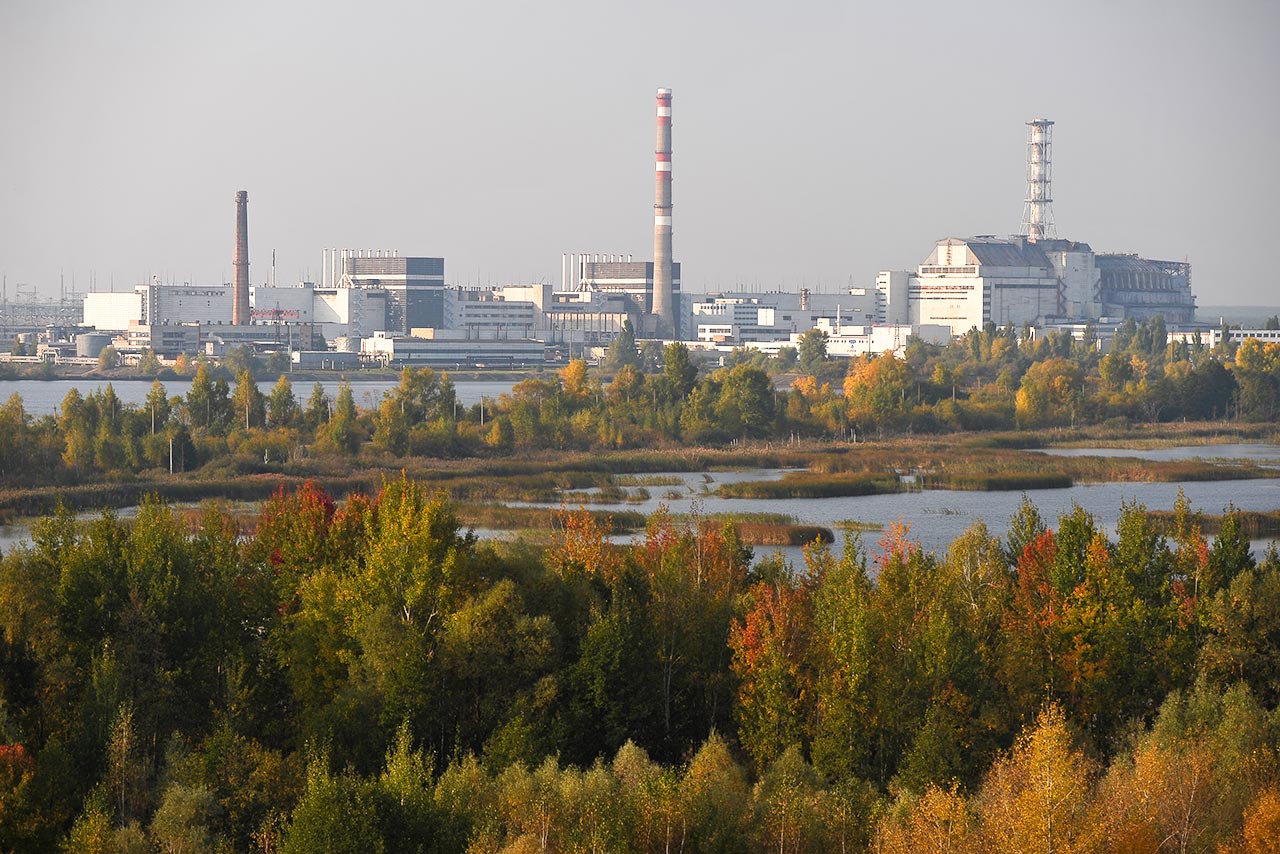
Pripyat, the nearest town to the destroyed Chernobyl unit 4, was evacuated with a one-day delay. It has been deserted for more than 25 years and is part of the so-called dead zone.
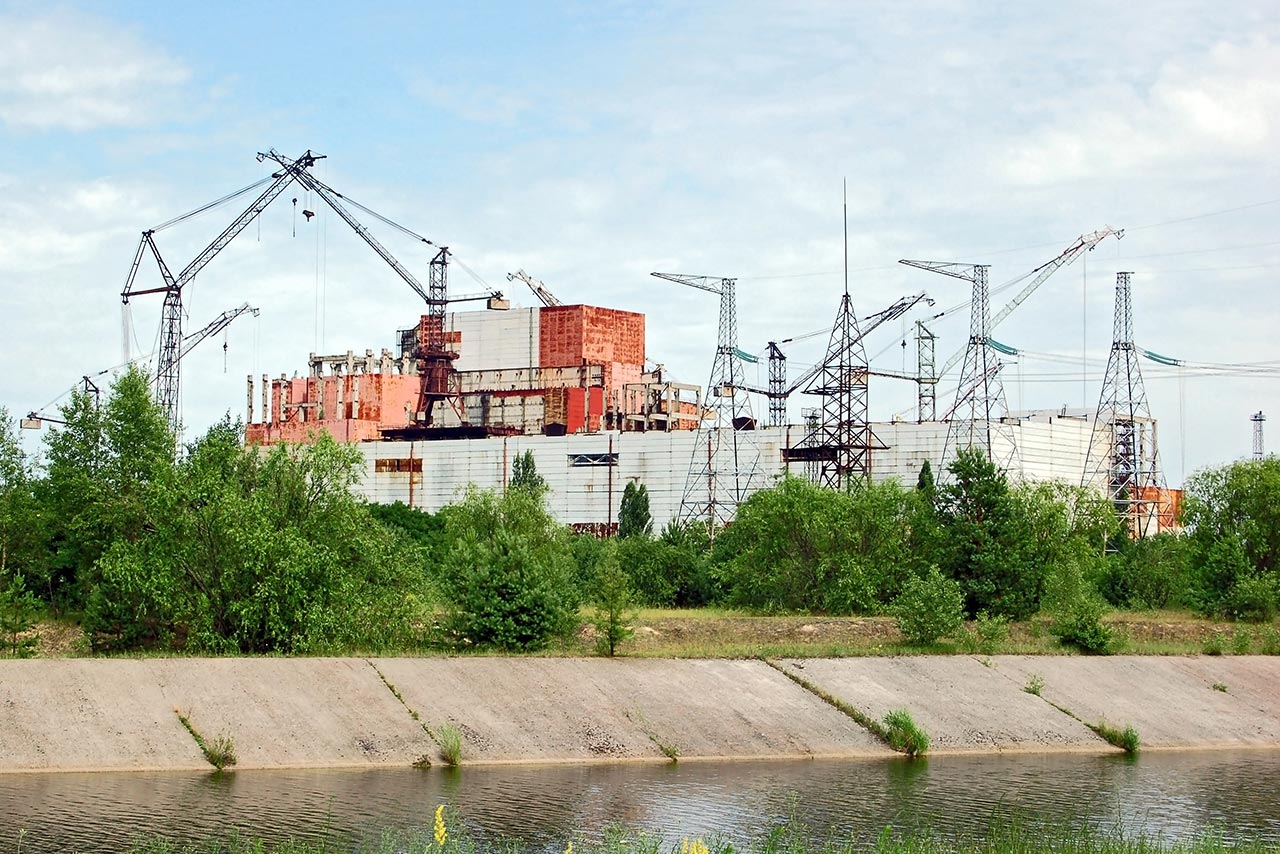
At the time of the Chernobyl nuclear power plant accident, there were two more blocks with the same reactor, block 5 and 6, under construction. Due to safety concerns, these blocks were never completed.
The disaster began in the early hours of 26 April 1986, following a series of ill-conceived and unsafe actions carried out during the preceding day. Prior to a scheduled reactor shutdown, operators planned a safety test to determine how long the steam turbine, once disconnected from the grid, could continue generating electricity to power the main coolant pumps in the event of a loss of external power supply. To conduct the experiment, the emergency core cooling system was deliberately disabled. Reactor power reduction was initiated, but the test was postponed for several hours at the request of the grid dispatcher, who required continued electricity generation.
Video animation explaining the operating principle of the RBMK 1000 light-water, graphite-moderated boiling reactor installed at Unit 4 of the Chernobyl nuclear power plant (also available in the Free Downloads section).
The actual test commenced late at night. Shortly after midnight, due to operator error, reactor power dropped to around 30 MWt — far below the intended level — and the reactor entered an unstable state. Operators attempted to recover power by withdrawing most of the control rods from the core. Operational procedures required a minimum of 15 control rods to remain inserted; at the time of the accident, only eight were in place. At low power, the reactor experienced significant xenon poisoning — the build-up of xenon-135, a strong neutron absorber. However, xenon burns off rapidly during a power surge, contributing to a sudden and steep increase in reactivity.
Eventually, operators stabilised the reactor power at around 200 MWt and began the turbine rundown test. As the turbine coasted down, the coolant pumps powered by it slowed, reducing coolant flow. The decreased flow allowed the water temperature in the reactor to rise, and localised boiling occurred in the lower part of the core. At this point, an emergency shutdown (SCRAM) was initiated — possibly as a precautionary measure or due to deteriorating conditions. However, the design of the RBMK control rods, which had graphite displacers on their tips, initially increased reactivity as they were inserted. This effect, combined with the reactor’s large positive void coefficient — an inherent characteristic of the RBMK design — and the rapid burn-out of xenon, led to a dramatic power surge.
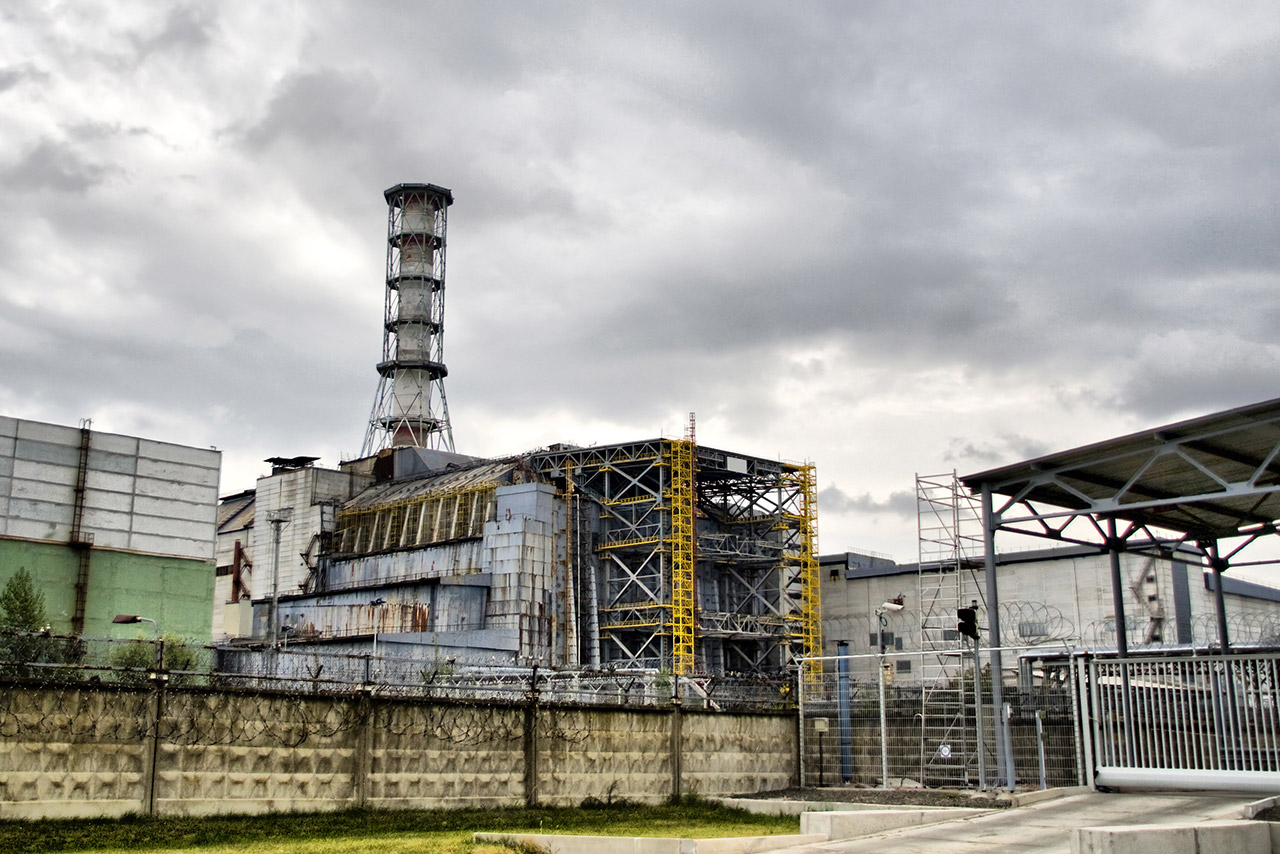
The massive concrete sarcophagus of Unit 4 was constructed several months after the accident to prevent further release of radioactive substances into the atmosphere. As the structure is now approaching the end of its service life, it has recently been enclosed within a new steel confinement.
Within seconds, reactor power rose uncontrollably, causing extensive boiling of the coolant. The resulting steam pressure lifted the 1,000-tonne biological shield plate above the reactor vessel, rupturing coolant channels and shearing control rod mechanisms. A massive steam explosion followed almost immediately. Moments later, a second explosion — most likely caused by a hydrogen-oxygen reaction — tore apart the reactor core, ejecting pieces of fuel and hot graphite onto the roof of the building, where they ignited fires in the surrounding structures.
In the aftermath of the explosion, emergency measures were undertaken to cool the damaged reactor and limit further radioactive release. Water was injected into the reactor vessel to suppress residual heat, and thousands of tonnes of sand, lead, dolomite, clay and boron were dropped from helicopters onto the exposed reactor core to extinguish fires and absorb escaping radiation. It took approximately ten days before the remaining fires were fully extinguished, during which time radioactive material continued to be released into the environment from the destroyed reactor.
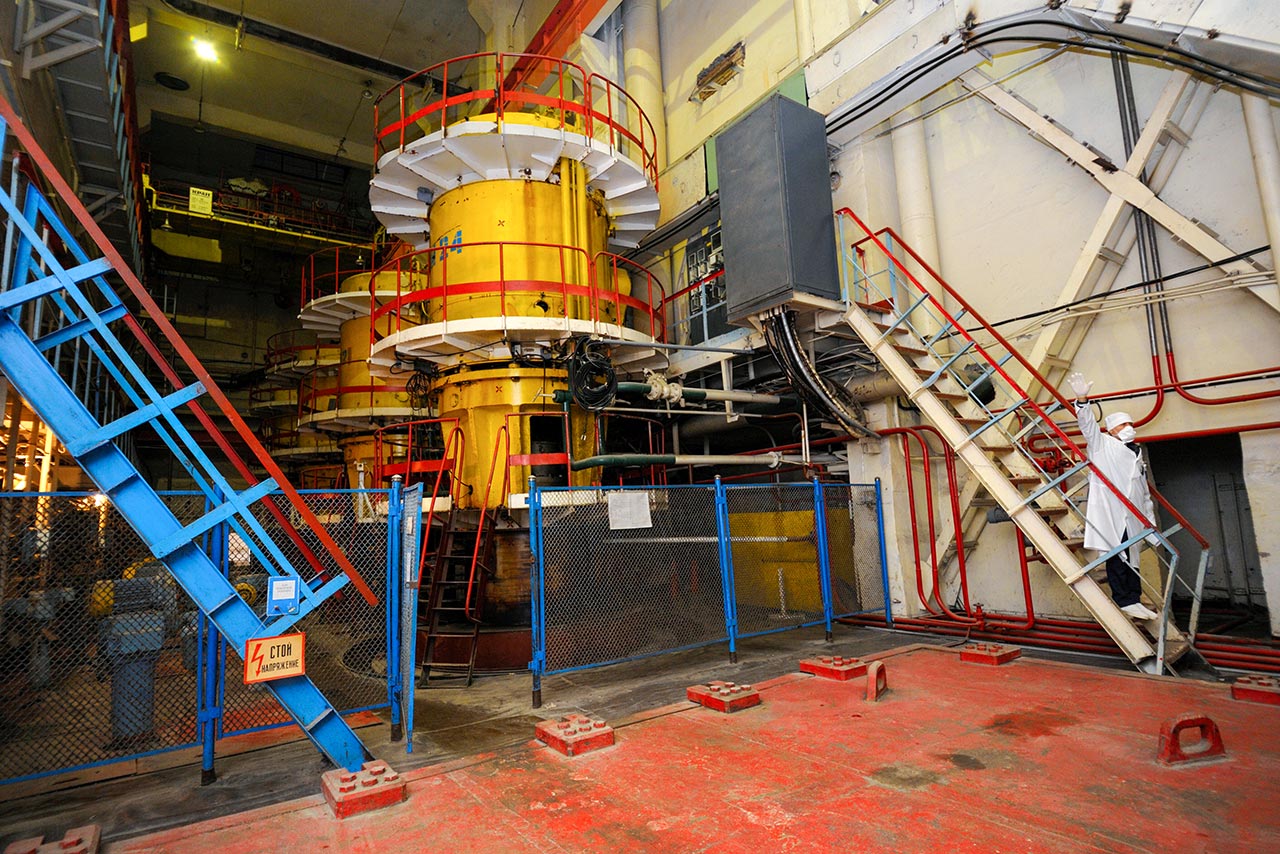
The test conducted before the disaster aimed to determine how long the turbines, once disconnected from the grid, would be able to supply power to the main circulation pumps.
Most of the radioactive debris remained in the immediate vicinity of the unit, but volatile radionuclides — particularly isotopes of iodine and caesium — were dispersed by atmospheric currents over much of Europe. The total radioactive release is estimated at around 1.4 × 10¹⁹ Bq, corresponding to roughly 5% of the reactor’s total radionuclide inventory prior to the accident. It is believed that approximately 300 tonnes of graphite moderator and nuclear fuel were ejected into the environment.
Subsequently, remotely operated machinery was used to construct a massive concrete sarcophagus — officially known as the Object Shelter — over the remains of the reactor building to contain the radioactive materials. However, the structure required continuous monitoring and maintenance, and a new containment structure — the New Safe Confinement — was later constructed to enclose the original sarcophagus and ensure long-term environmental safety.
Video animation representing the course of the accident at the fourth unit of the Chernobyl power plant (also available in the Free Downloads section).
The Chernobyl accident was classified as Level 7 on the International Nuclear and Radiological Event Scale (INES) — the highest level, indicating a major accident with widespread environmental and health consequences. It remains the most serious accident in the history of nuclear power generation. The disaster resulted from a combination of serious operator errors, insufficient training and procedural knowledge, and gross violations of safety protocols. A number of fundamental design flaws in the RBMK reactor also played a decisive role.
In total, approximately 600,000 people — known as liquidators — participated in the clean-up and decontamination operations in the years following the accident. Of these, around 600 emergency workers, deployed in the immediate aftermath, were exposed to high radiation doses. 237 individuals were diagnosed with acute radiation syndrome (ARS), of whom 28 died within weeks of exposure. In addition, two workers were killed in the initial explosion and one person died of a heart attack directly related to the accident.
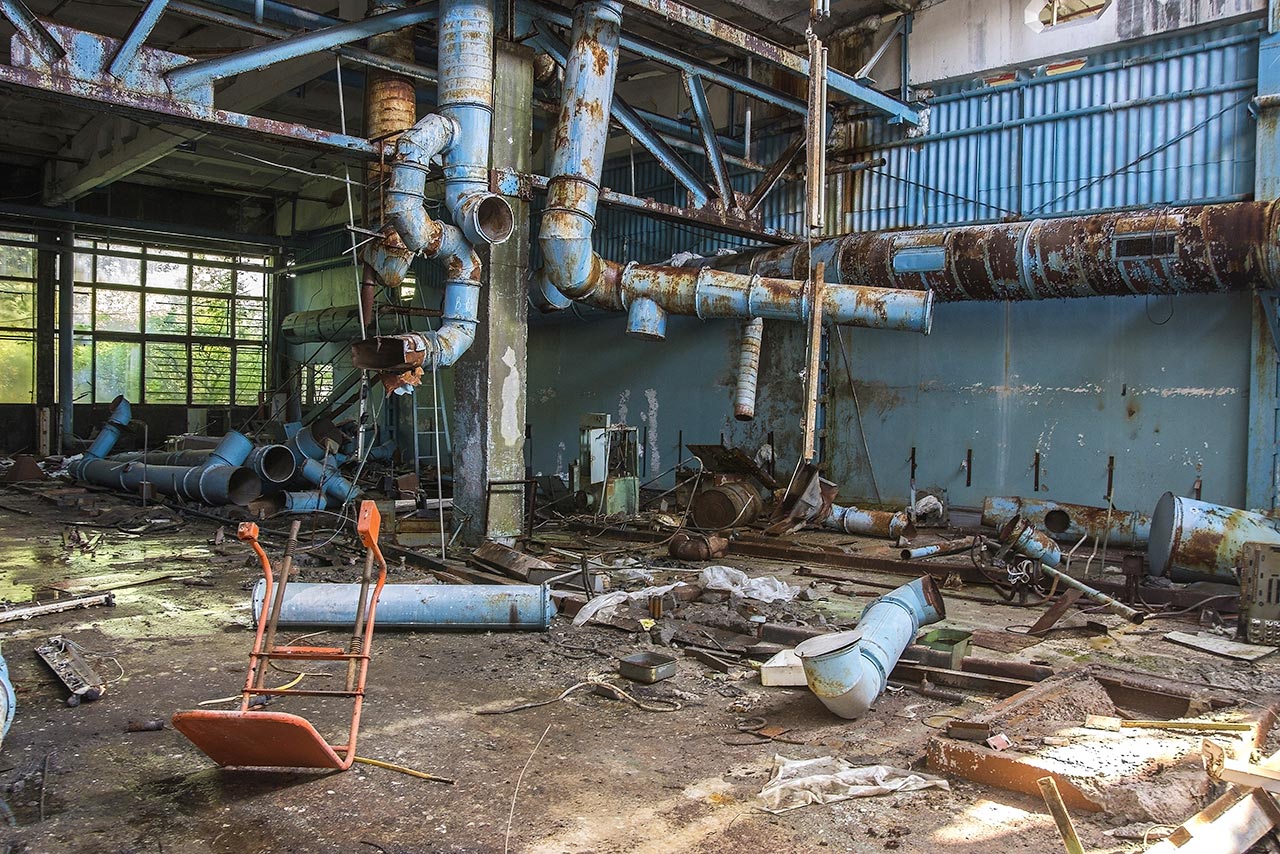
The ruins of industrial and commercial buildings in the deserted town of Pripyat remind us of a ghost town. Dilapidated buildings are taken over by Nature.
The release of radioactive material led to a significant increase in thyroid cancer cases among children and adolescents, particularly due to the ingestion of radioactive iodine (131I). A small number of these cases proved fatal. For the wider population, however, no statistically significant increase in the incidence of other cancers or hereditary effects has been confirmed.
The evacuation of Pripyat — the city closest to the plant — was delayed by approximately 36 hours. The exclusion zone was later expanded to a 30-kilometre radius, and in total around 300,000 people were permanently relocated from the most contaminated areas. In the days immediately following the accident, there was little reliable information available about the scale and consequences of the disaster. Most of Europe remained unaware of the incident until elevated radiation levels were detected outside the Soviet Union several days later. The lack of timely information, combined with media speculation, fuelled public panic and widespread distrust of nuclear power.
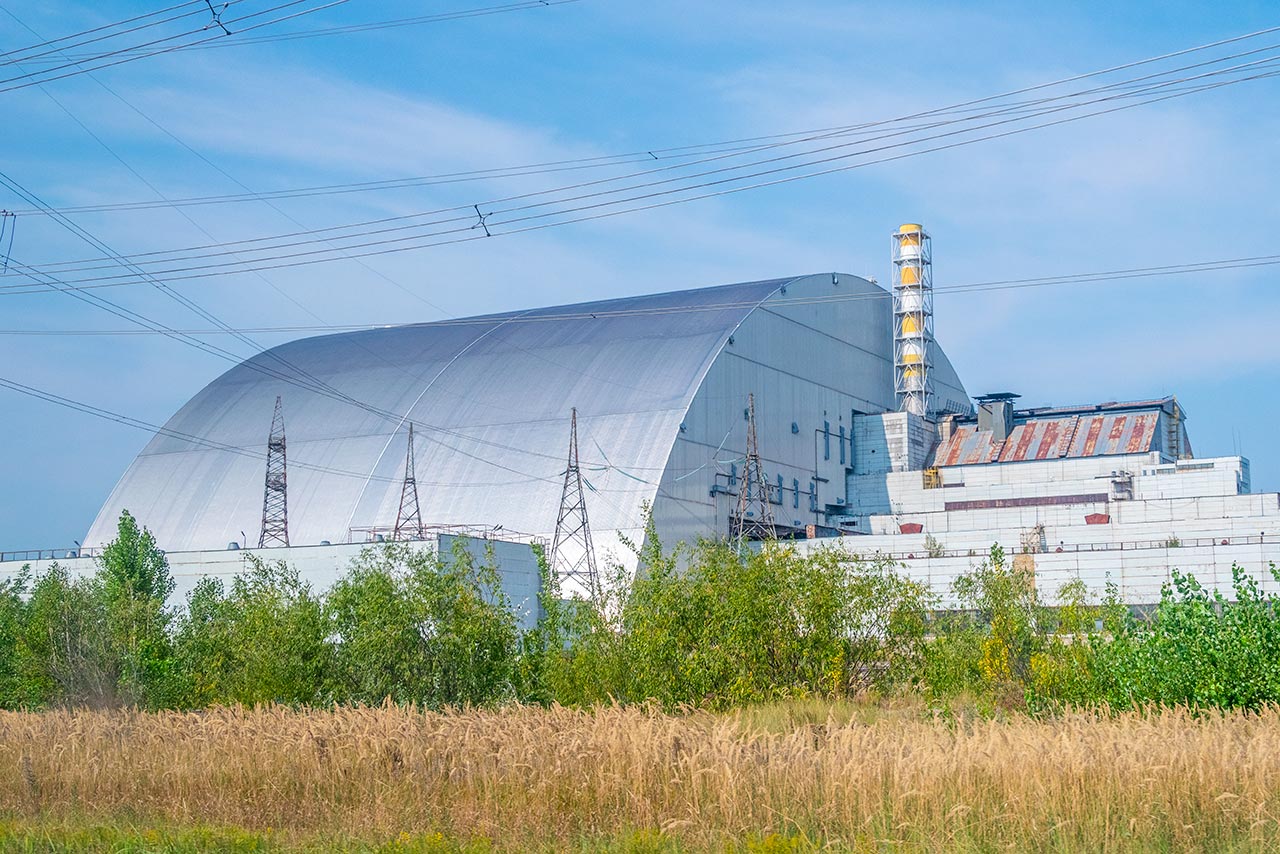
After its completion, the New Safe Confinement structure was slid into position over the original sarcophagus enclosing the damaged Unit 4 of the Chernobyl Nuclear Power Plant in Ukraine.
The introduction of extremely strict limits on permissible radionuclide concentrations in foodstuffs and consumer products substantially increased economic costs and reinforced negative public perceptions of nuclear technology. In the aftermath of the disaster, all RBMK-type reactors were retrofitted with enhanced safety systems to address the positive void coefficient and to ensure that operational procedures could not bypass essential safety mechanisms.
The design flaws of the RBMK reactor were so severe that the failure of just three fuel channels could trigger the destruction of the entire reactor core.