


What is Nuclear Decommissioning?
9 min read
Video: This introductory animation presents the typical sequence of immediate decommissioning of a pressurised water reactor (PWR) nuclear power plant. It outlines the main stages, from fuel removal and decontamination to dismantling and final site remediation.
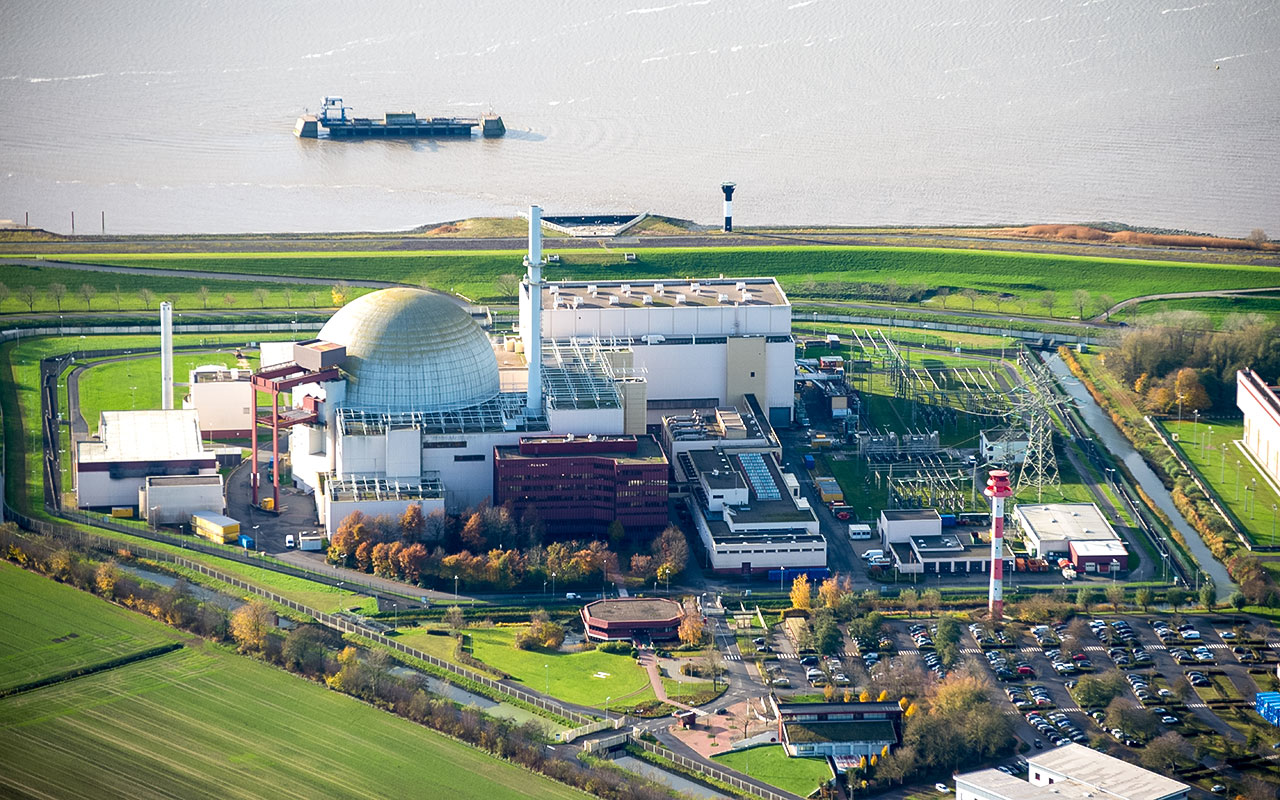
The decommissioning process of the KWU PWR-1300 in Brokdorf Nuclear Power Plant, which was permanently shut down at the end of 2021, is expected to take at least 15 years.
No nuclear facility is designed for unlimited operation. After the end of its service life, it must undergo a process of safe shutdown and decommissioning. Decommissioning is the final stage in the lifecycle of a nuclear facility, aimed at removing radiological and other hazards associated with its previous operation and preparing part of the facility or the entire site for future use.
Decommissioning includes a wide range of technical, administrative, and organizational activities. These typically include facility decontamination, dismantling of technological systems, demolition of buildings, management of radioactive waste generated during the process, and site remediation. It is therefore not simply the “removal of a nuclear power plant”, but rather a long-term and carefully managed process that must ensure the safety of workers, the public, and the environment.
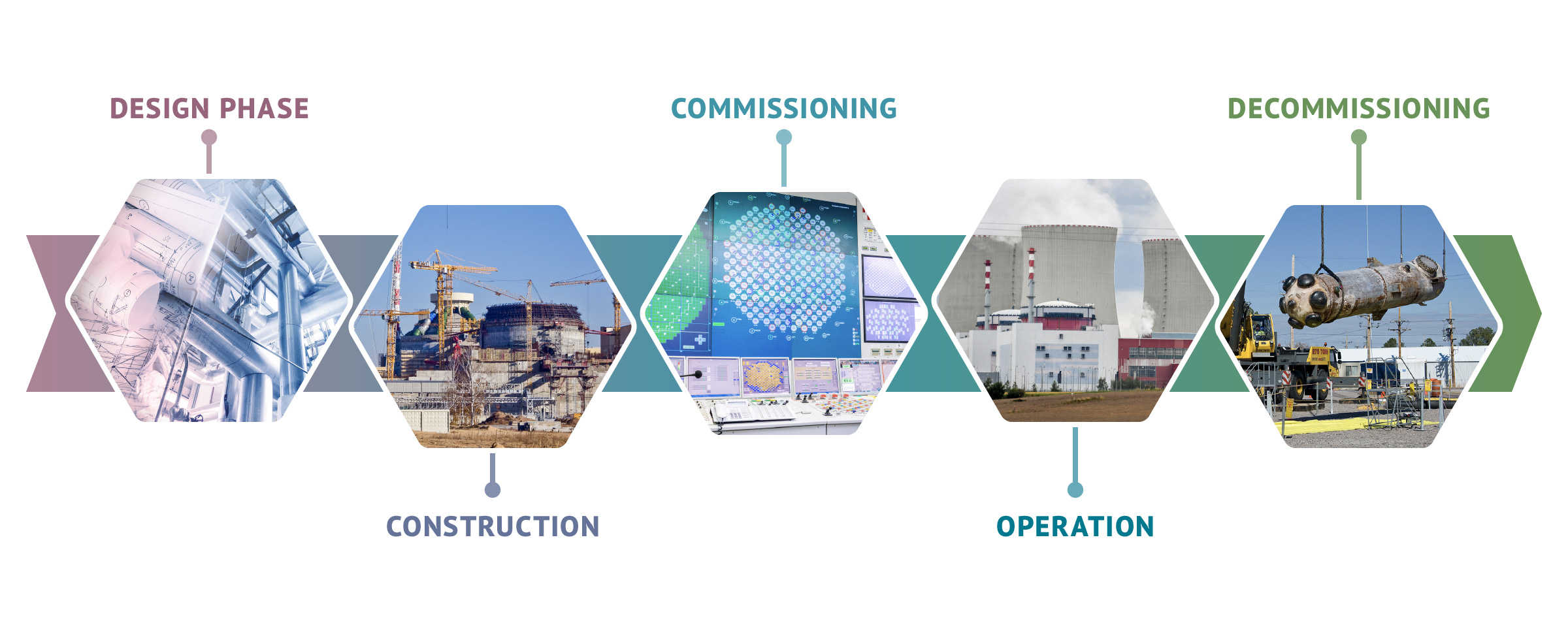
The life cycle of a nuclear facility.
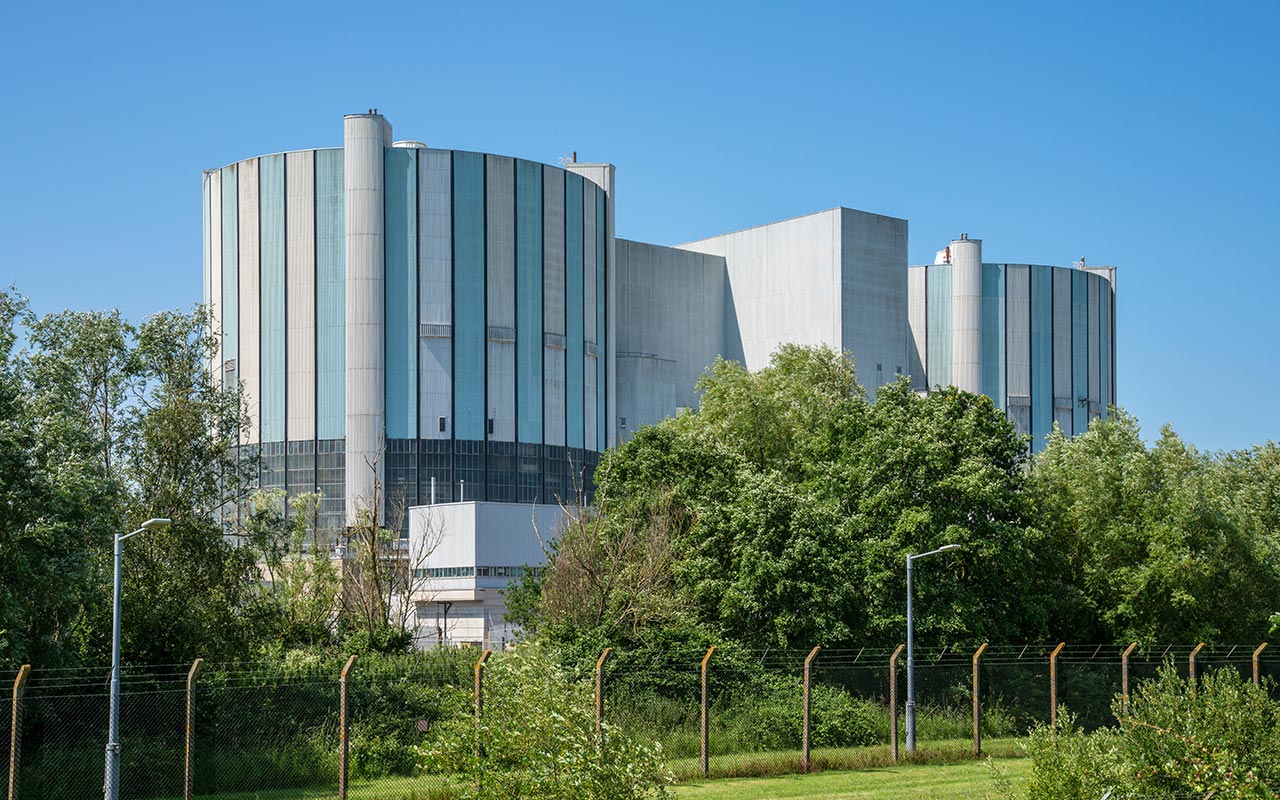
After electricity generation at Oldbury Nuclear Power Station ended, the Magnox reactors were shut down, the fuel was removed, and the site was prepared for a long-term safe enclosure phase followed by dismantling of the facilities.
The lifecycle of a nuclear facility begins with site selection and facility design, continues through construction, operation, and possible lifetime extension. The final stage is always the shutdown of the facility followed by its decommissioning. Modern nuclear facilities are therefore designed from the very beginning to make future decommissioning simpler, safer, and more cost-effective.
The decommissioning of nuclear facilities is usually a very lengthy process lasting many years or even decades. It requires the involvement of specialists from a wide range of disciplines, including nuclear engineering, radiation protection, civil engineering, robotics, chemistry, logistics, environmental sciences, and economics.
The global market for nuclear decommissioning and radioactive waste management is expected to exceed 100 billion USD in the coming decades.
(ANU Press — Decommissioning nuclear power reactors)
Types of Nuclear Facilities Subject to Decommissioning
Decommissioning is not limited only to large nuclear power plants. After the end of operation, a wide range of facilities using radioactive materials or sources of ionizing radiation must also be safely decommissioned.
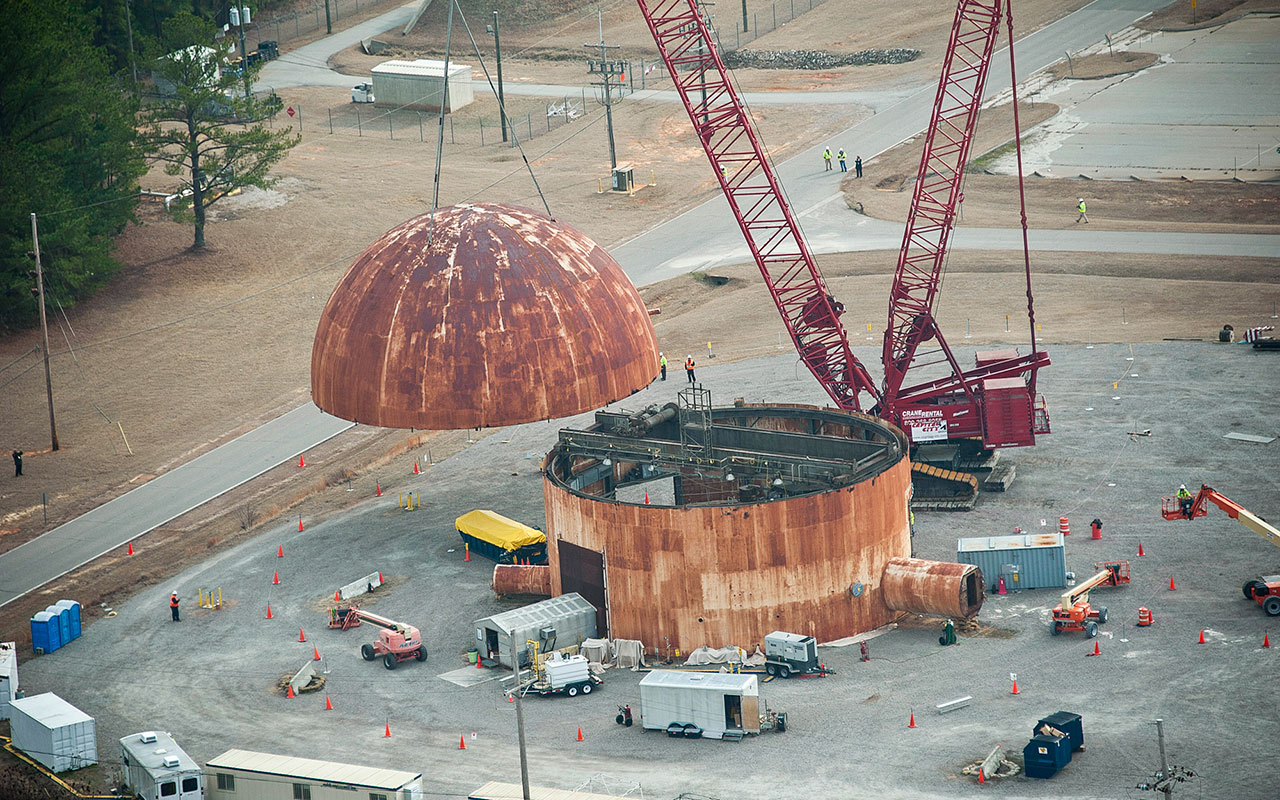
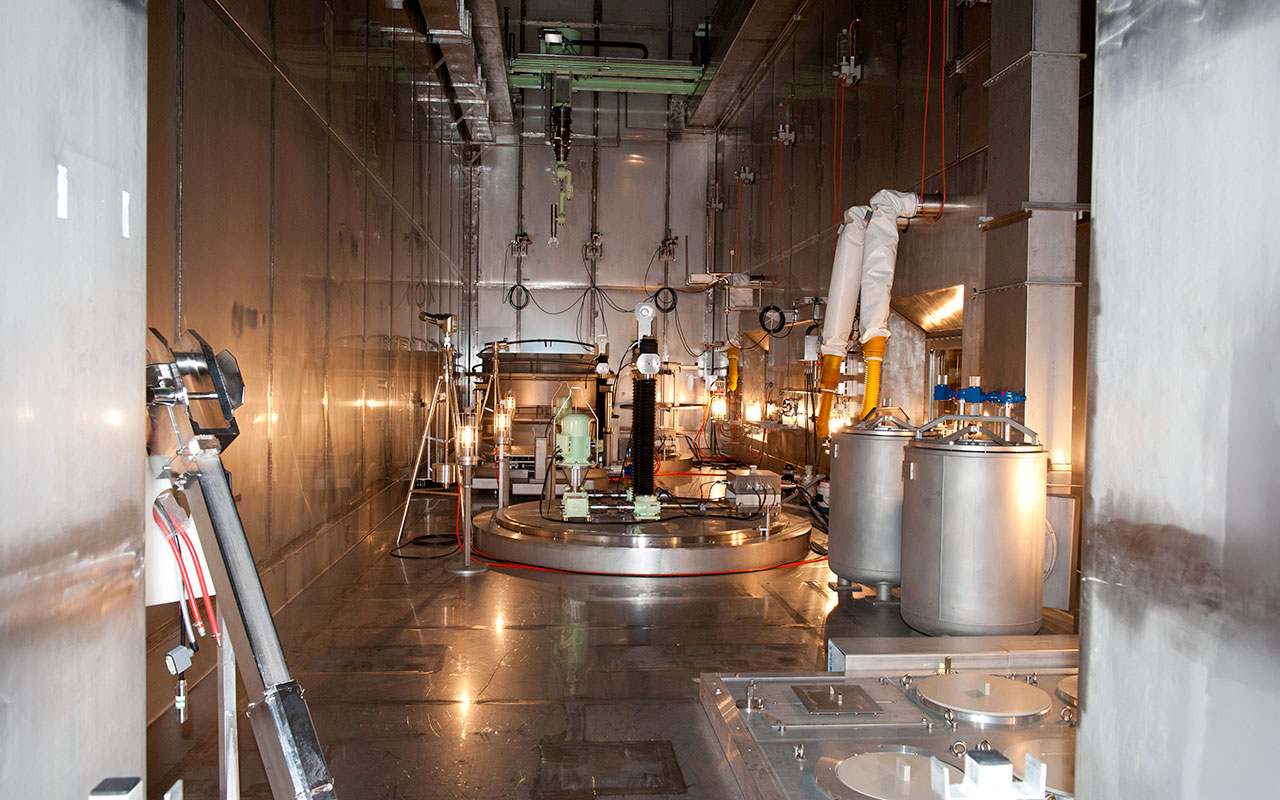
Experimental and test reactors are also subject to decommissioning at the end of their service life. The image shows the dismantling of the reactor containment dome at the Savannah River Site, where the reactor was used for testing heavy water reactor fuel assemblies.
The best-known and most visible group consists of nuclear power plants and research reactors. In addition to these, there are also nuclear fuel cycle facilities, such as uranium conversion and enrichment plants, nuclear fuel fabrication facilities, and spent fuel reprocessing facilities. Decommissioning also applies to radioactive waste storage facilities, radioactive waste processing facilities, and laboratories working with radioactive materials.
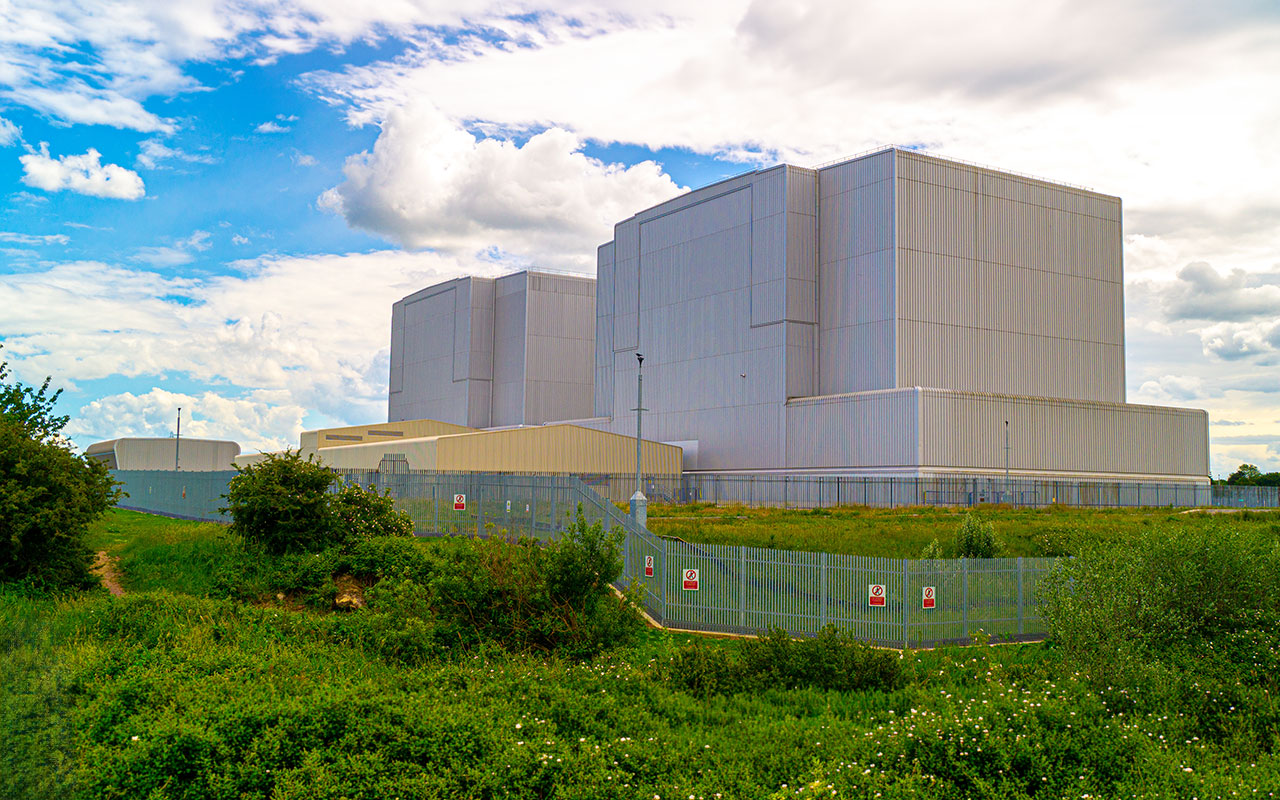
Nuclear power plants are among the most well-known and visible types of facilities undergoing decommissioning. Bradwell Nuclear Power Station, equipped with Magnox reactors, is currently in a partially completed stage of decommissioning.
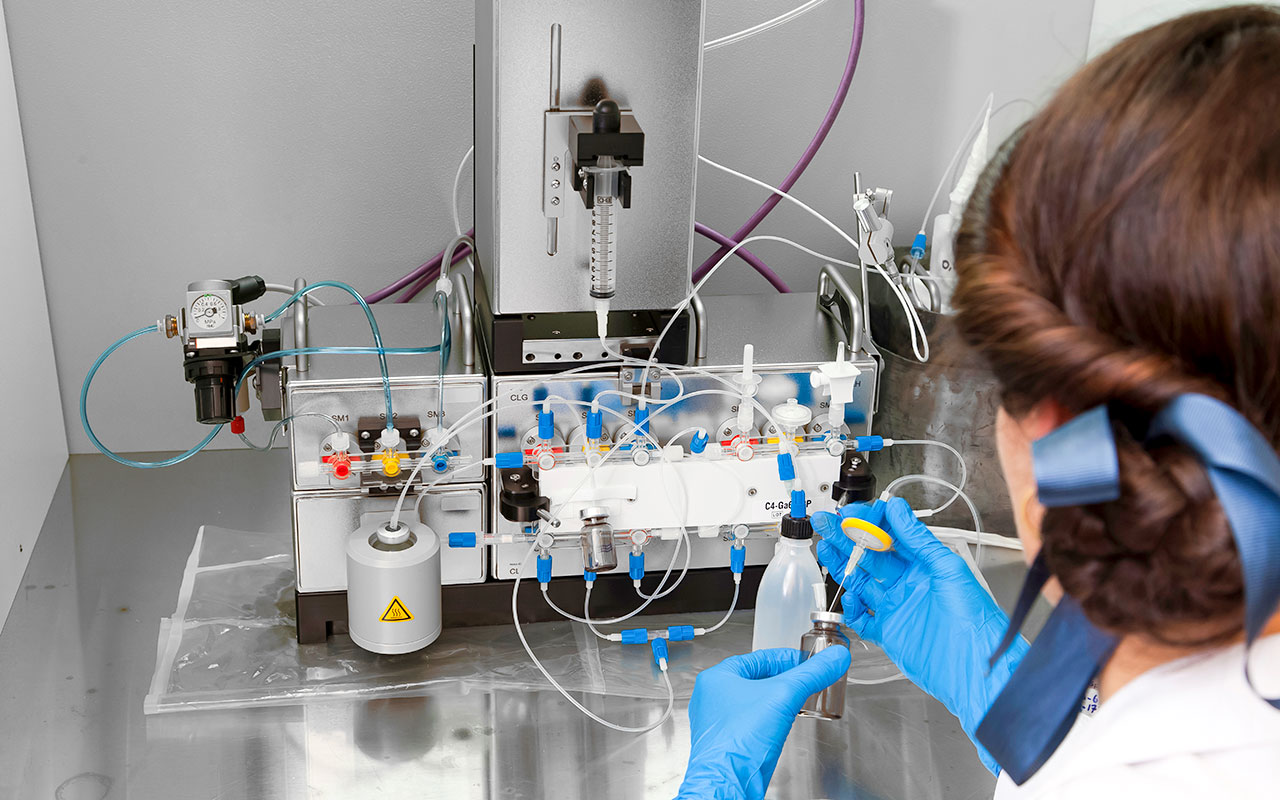
Radioactive materials are also widely used in medicine, industry, and research. Hospitals use radionuclides for diagnostics and treatment, industrial facilities use industrial radiography and radiation-based measuring devices, and universities operate various experimental laboratories. These facilities must also be decontaminated and safely released for future use after the end of operation.
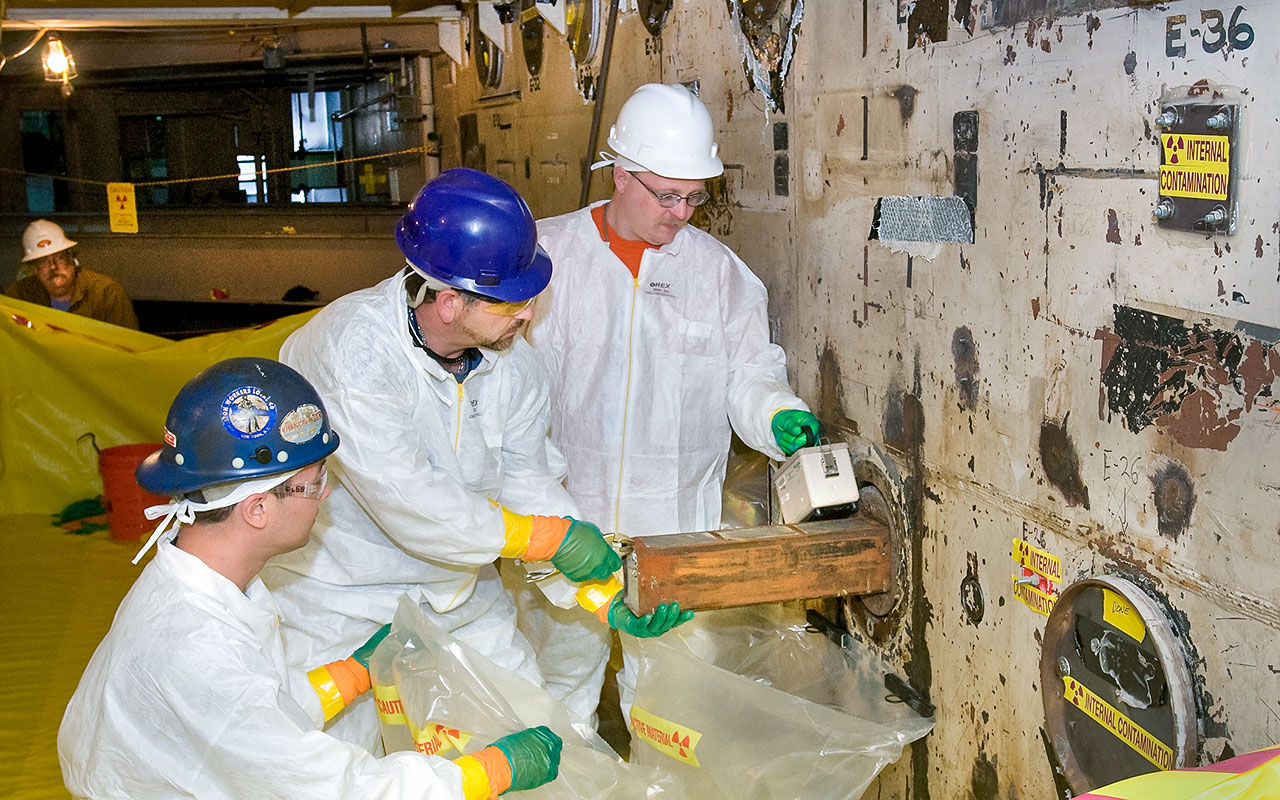
Workers dismantling control rod guide tubes from the biological shielding of the Brookhaven Graphite Research Reactor during the decommissioning process.
The different types of facilities vary significantly in the extent of contamination, the quantity of radioactive materials, and the technologies used during decommissioning. While the decommissioning of a small laboratory may take only several months, the decommissioning of a large nuclear power plant represents a major project lasting several decades.
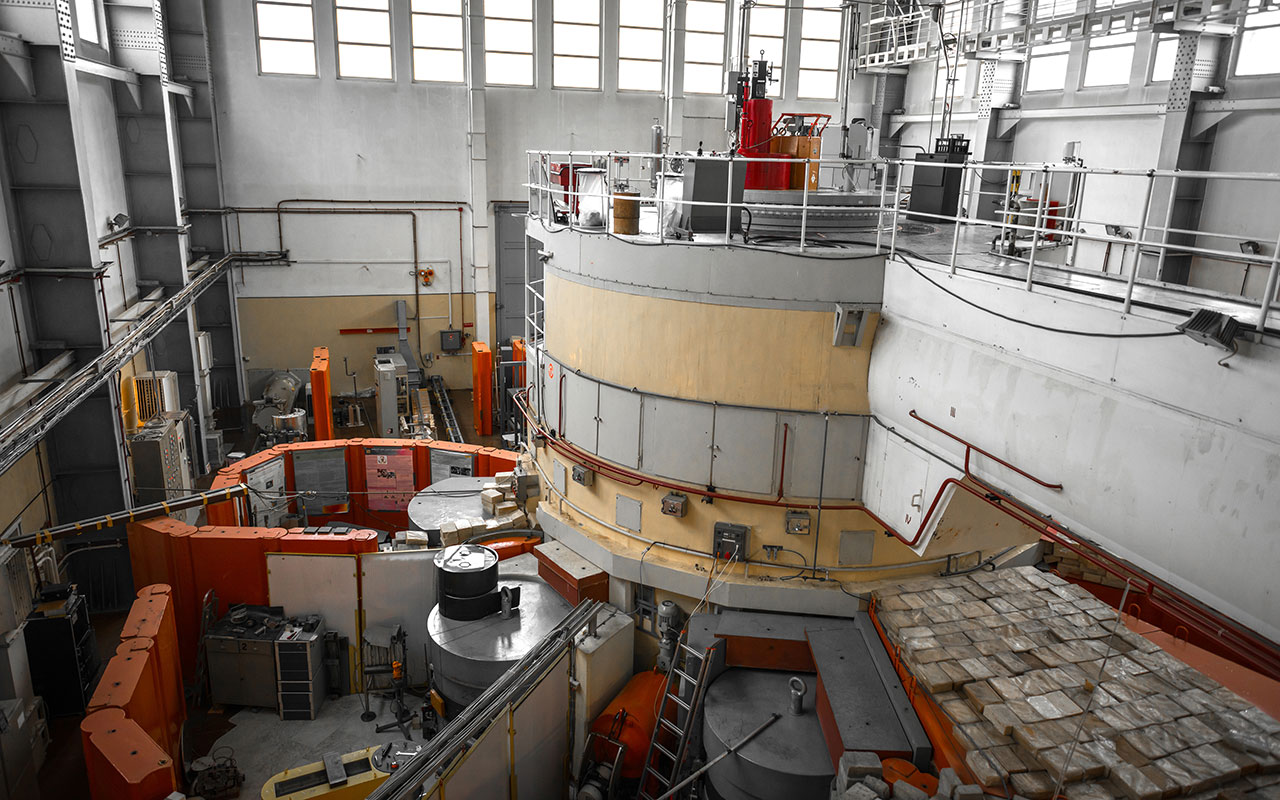
3 pictures
3 pictures
The decommissioning of the Maine Yankee Nuclear Power Plant lasted about 8 years and cost approximately 500 million USD.
(Wikipedia — Maine Yankee Nuclear Power Plant)
Everything Begins with Facility Shutdown
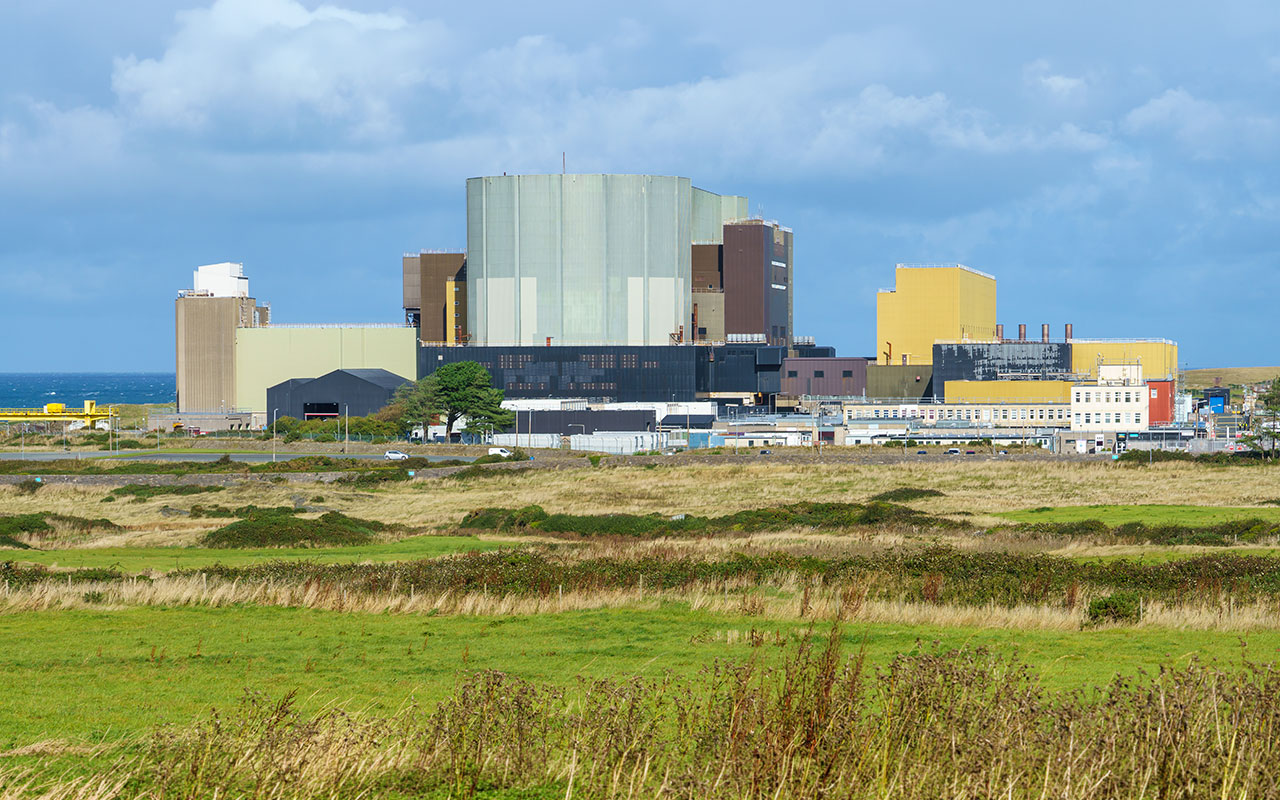
Wylfa Nuclear Power Station after the shutdown of its Magnox reactors. Part of the original facilities has already been removed, and the site is currently in a long-term care and maintenance phase prior to the final dismantling of the remaining structures.
The decommissioning process begins with the permanent shutdown of a facility. This means that the operator no longer intends to use the facility for its original purpose. Shutdown may be planned, for example after the facility reaches its design lifetime, or it may occur earlier than originally expected.
Planned shutdown usually takes place after several decades of operation. In some cases, the operating lifetime of a facility may be extended if its technical condition and regulatory requirements allow continued safe operation. Lifetime extension is often economically beneficial; however, it also results in the generation of additional radioactive materials and may increase the complexity of subsequent decommissioning activities.
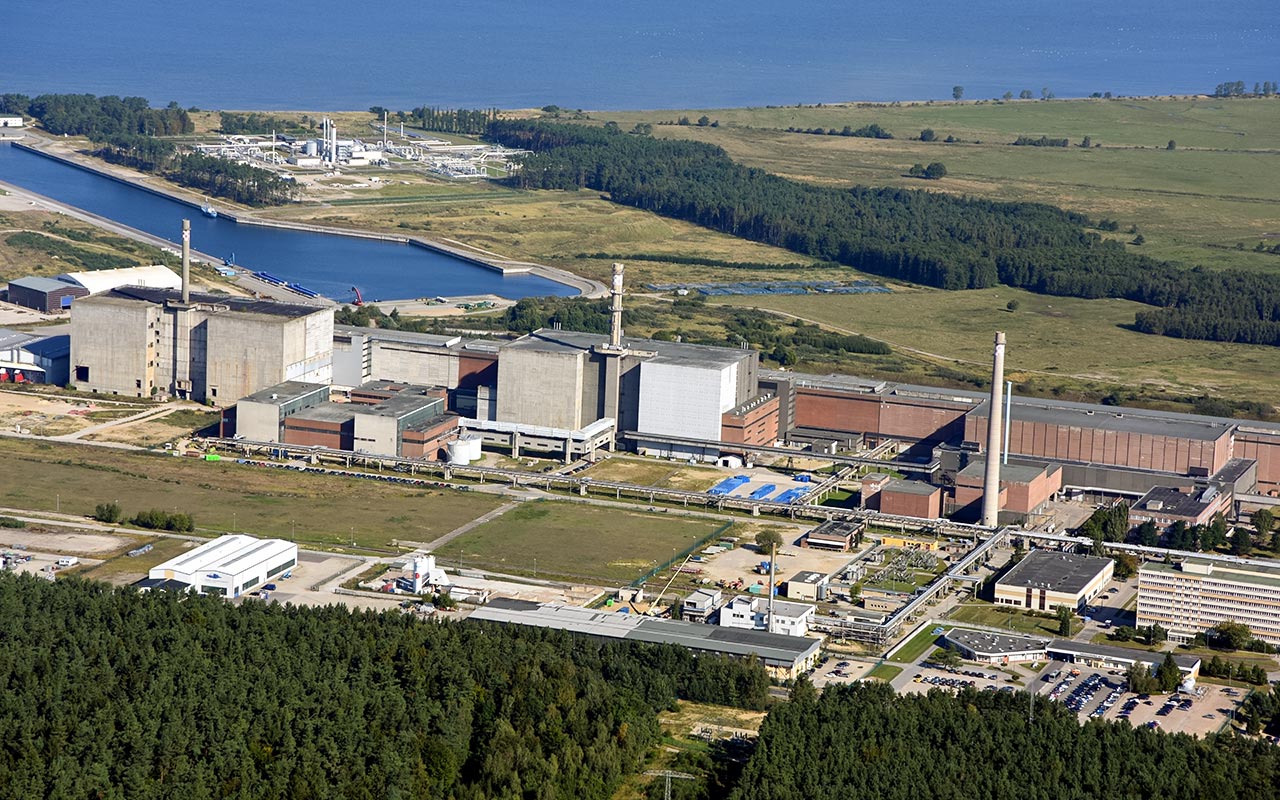
Greifswald Nuclear Power Plant was shut down prematurely after the reunification of Germany due to political and safety reasons. The site subsequently became one of the largest and most significant nuclear decommissioning projects in Europe.
Early shutdown may occur for various reasons. These may include technical problems, serious failures of important systems or components that are difficult and costly to repair, economic factors, or political decisions. Some early shutdowns occurred, for example, after major nuclear accidents or in connection with international political agreements.
Permanent shutdown is followed by a transition period between facility operation and the actual decommissioning phase. During this period, activities such as the removal of nuclear fuel from the reactor, modification of technological systems, changes in operational organization, and preparation for decontamination and dismantling are carried out.
And Ends with the Final State and Future Use of the Site
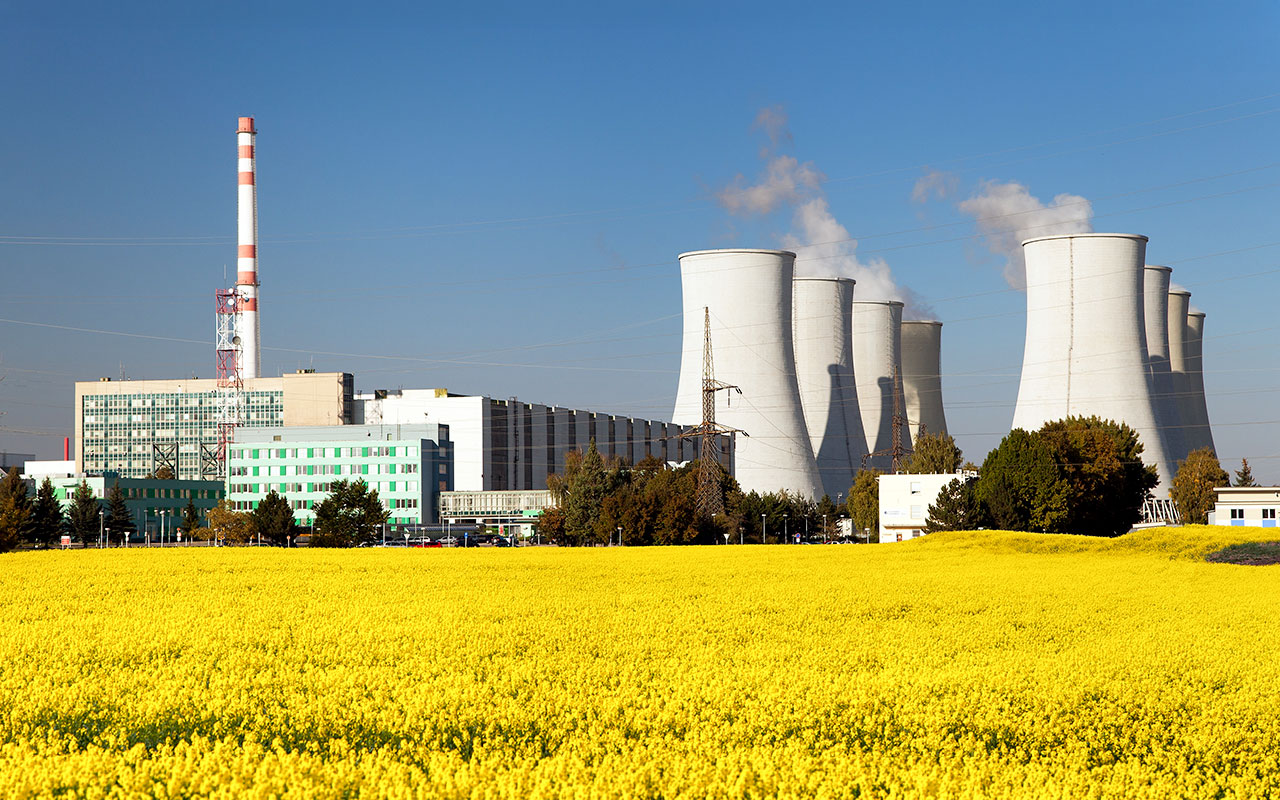
Jaslovské Bohunice V1 Nuclear Power Plant represents one of the most significant decommissioning projects involving VVER-440 reactors in Europe. After completion of decommissioning, the site will remain part of a nuclear complex.
Every decommissioning project has a predefined target or end state that is to be achieved after completion of the work. This end state is established in cooperation with regulatory authorities and other stakeholders and must take into account future site use, safety, and environmental protection.
In some cases, the site may be fully released for unrestricted future use after decommissioning is completed. In other cases, its use may remain restricted, for example to industrial purposes or the construction of a new nuclear facility. Sometimes, part of the site may be released while another part remains under regulatory control.
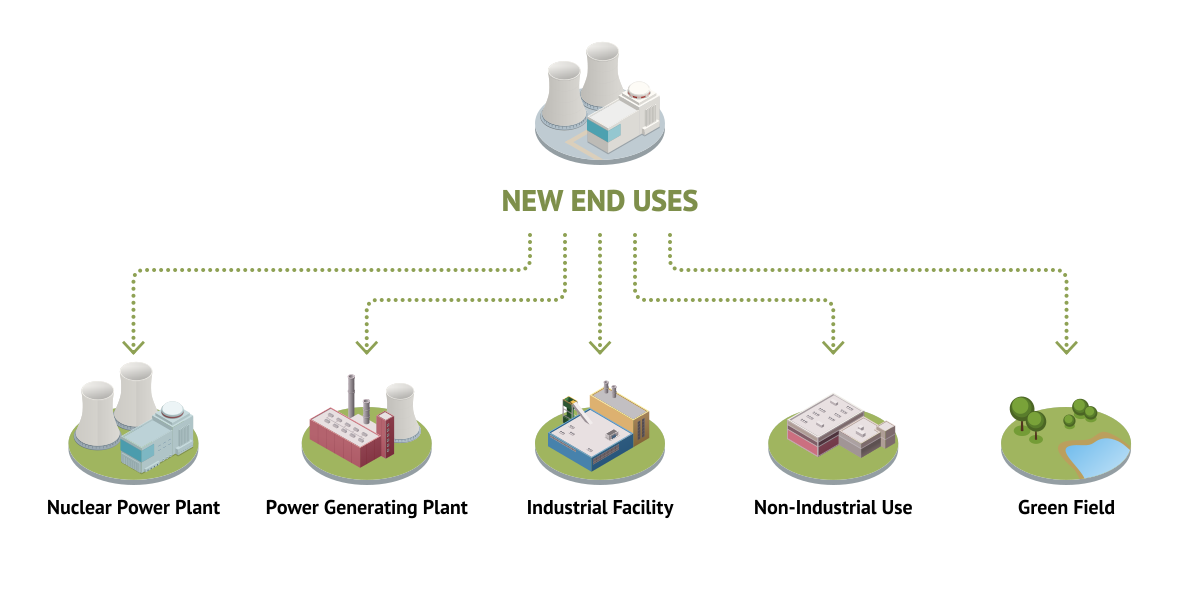
The end of decommissioning does not necessarily mean the end of site utilization. Former nuclear sites may be transformed into new energy, industrial, public, or natural areas.
At the Big Rock Point Nuclear Power Plant in the USA, almost the entire 200-hectare site has been restored to greenfield condition; only eight spent fuel containers remain there.
(Wikipedia — Big Rock Point Nuclear Power Plant)
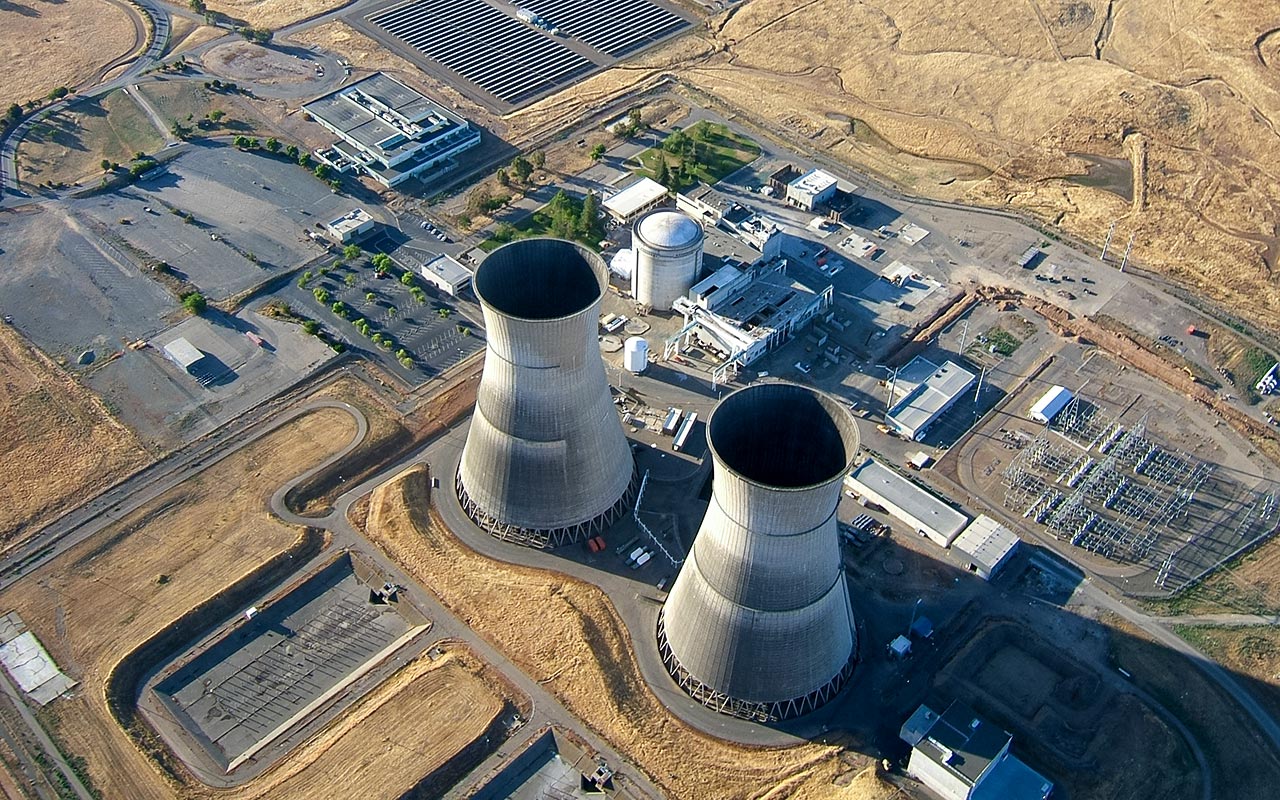
The site of the former Rancho Seco Nuclear Generating Station is an example of post-decommissioning energy reuse. In addition to spent fuel storage, the site now also hosts a photovoltaic power plant utilizing part of the original site infrastructure.
The final site condition does not always require the complete removal of all buildings. Some structures may be retained for future energy or industrial use. Former nuclear sites may therefore be transformed into new energy facilities, research centres, or other industrial complexes.
An important part of decision-making regarding the future use of a site is also the involvement of the public and local communities. The future form of the site may have significant economic, social, and environmental impacts on the entire region.