


Chernobyl Accident
10 min read
Video animation representing the course of the accident at the fourth unit of the Chernobyl power plant (also available in the Free Downloads section).
You can view the interactive 3D model of the Chernobyl nuclear power plant online. In the Free downloads section, you will find the code for inserting the model into your own educational projects.
Online 3D Model
Free Downloads › Online 3D

The Chernobyl Nuclear Power Plant. A memorial dedicated to the workers who took part in the immediate response to and cleanup of the accident stands about 100 metres from the destroyed Unit 4.
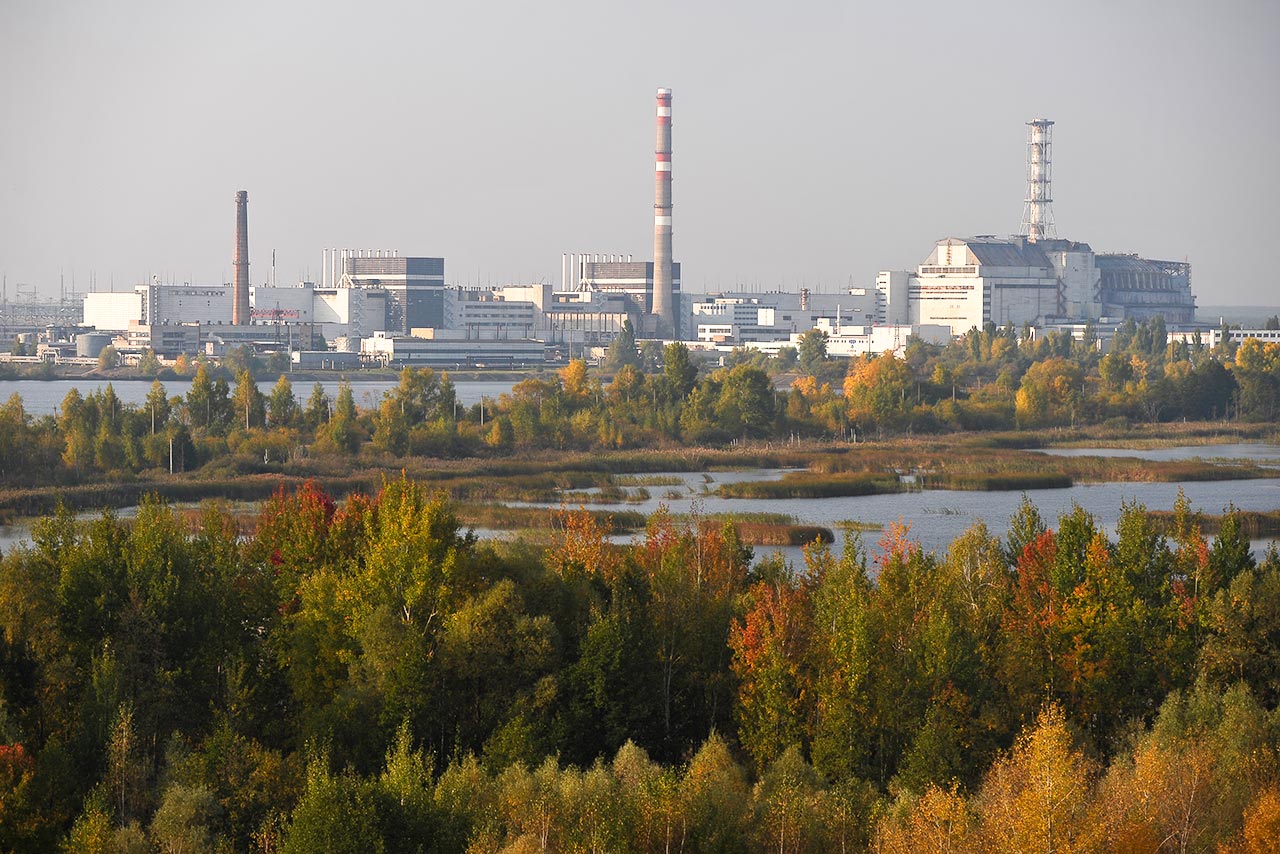
The Chernobyl Nuclear Power Plant is located in northern Ukraine, about 130 kilometres north of Kyiv and around 20 kilometres from the border with Belarus. The plant had four RBMK-1000 reactors, commissioned between 1977 and 1983. Two additional units were under construction when Unit 4 was destroyed in the 1986 accident and were never completed. The remaining three units continued to operate after safety modifications, with the last reactor shutting down in 2000. The nearest town, Pripyat, had about 49,000 inhabitants at the time of the accident and has remained largely abandoned since its evacuation. The town of Chernobyl, which gave the power plant its name, lies about 15 kilometres from the plant.
Pripyat, the town closest to the Chernobyl Nuclear Power Plant, was evacuated about 36 hours after the accident. Once home to around 49,000 people, it has remained largely abandoned ever since and lies within the Chernobyl Exclusion Zone.
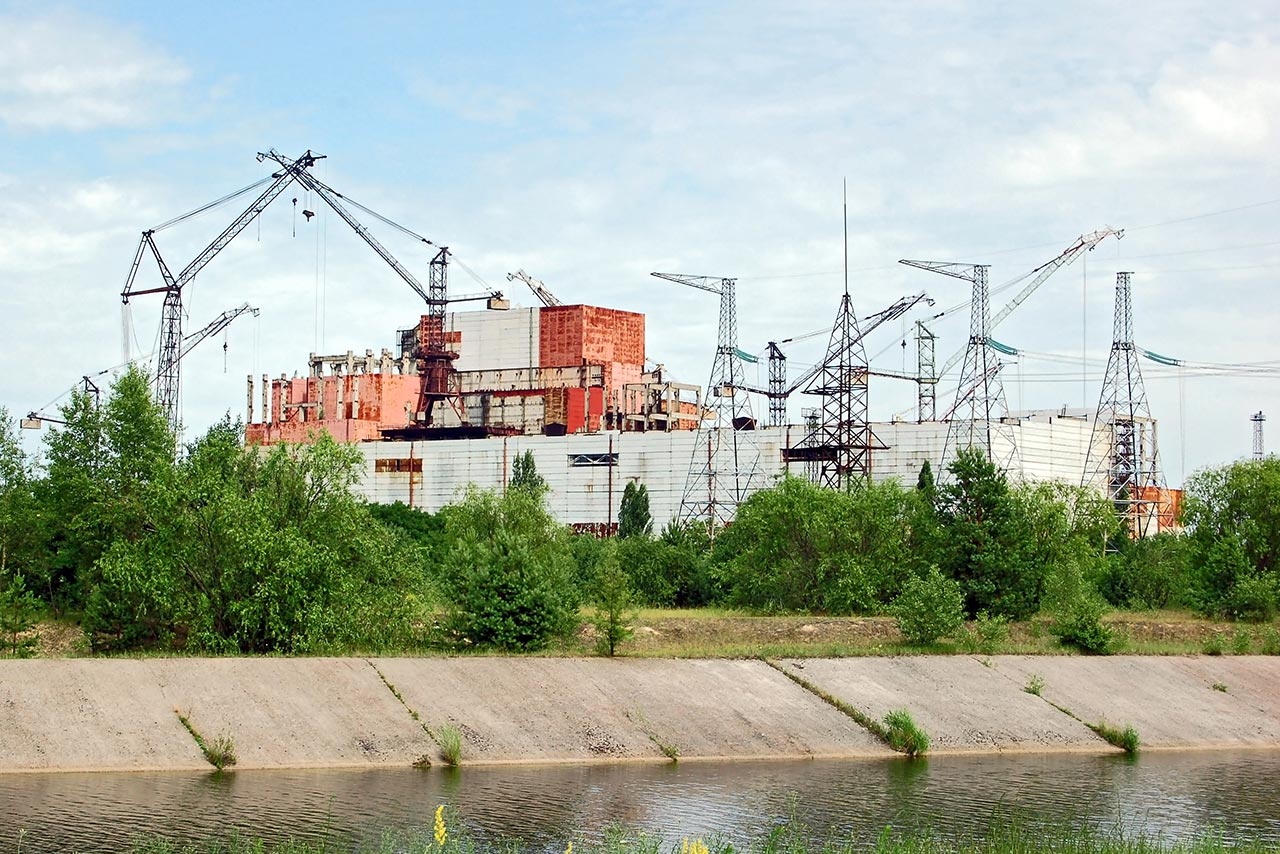
At the time of the Chernobyl accident, two additional RBMK-1000 reactors, Units 5 and 6, were under construction at the site. Following the accident, construction was suspended and the two units were never completed.
The accident occurred during a safety test carried out on the night of 25—26 April 1986, before a planned shutdown of Unit 4 for maintenance. The test was intended to determine whether the inertia of the slowing turbine generator could temporarily provide sufficient electrical power to essential equipment after a loss of external power, until the emergency diesel generators started. Reactor power was gradually reduced in preparation for the test, but the reduction was interrupted for several hours at the request of the grid controller because electricity was still needed. Some automatic safety systems, including the emergency core cooling system, were disabled as part of the test preparations, although this did not directly cause the accident.
Video animation explaining the operating principle of the RBMK 1000 light-water, graphite-moderated boiling reactor installed at Unit 4 of the Chernobyl nuclear power plant (also available in the Free Downloads section).
After midnight, reactor power unexpectedly fell to about 30 MW thermal, far below the level intended for the test. At such low power, the reactor was strongly affected by xenon-135, a fission product that absorbs neutrons and suppresses the chain reaction. In an attempt to restore power, the operators withdrew an excessive number of control rods from the core, reducing the operating reactivity margin below the level required by operating procedures. The reactor was eventually stabilised at about 200 MW thermal, but it was now operating in a highly unstable condition with only a small number of control rods remaining sufficiently inserted in the core.
The test began with the reactor operating at about 200 MW thermal. As the turbine generator ran down, the electrical power supplied to several circulation pumps decreased and coolant flow through the reactor gradually fell. More steam began to form in the reactor channels. Because the RBMK-1000 had a large positive void coefficient under these operating conditions, the increasing amount of steam increased reactor reactivity and power instead of reducing it.
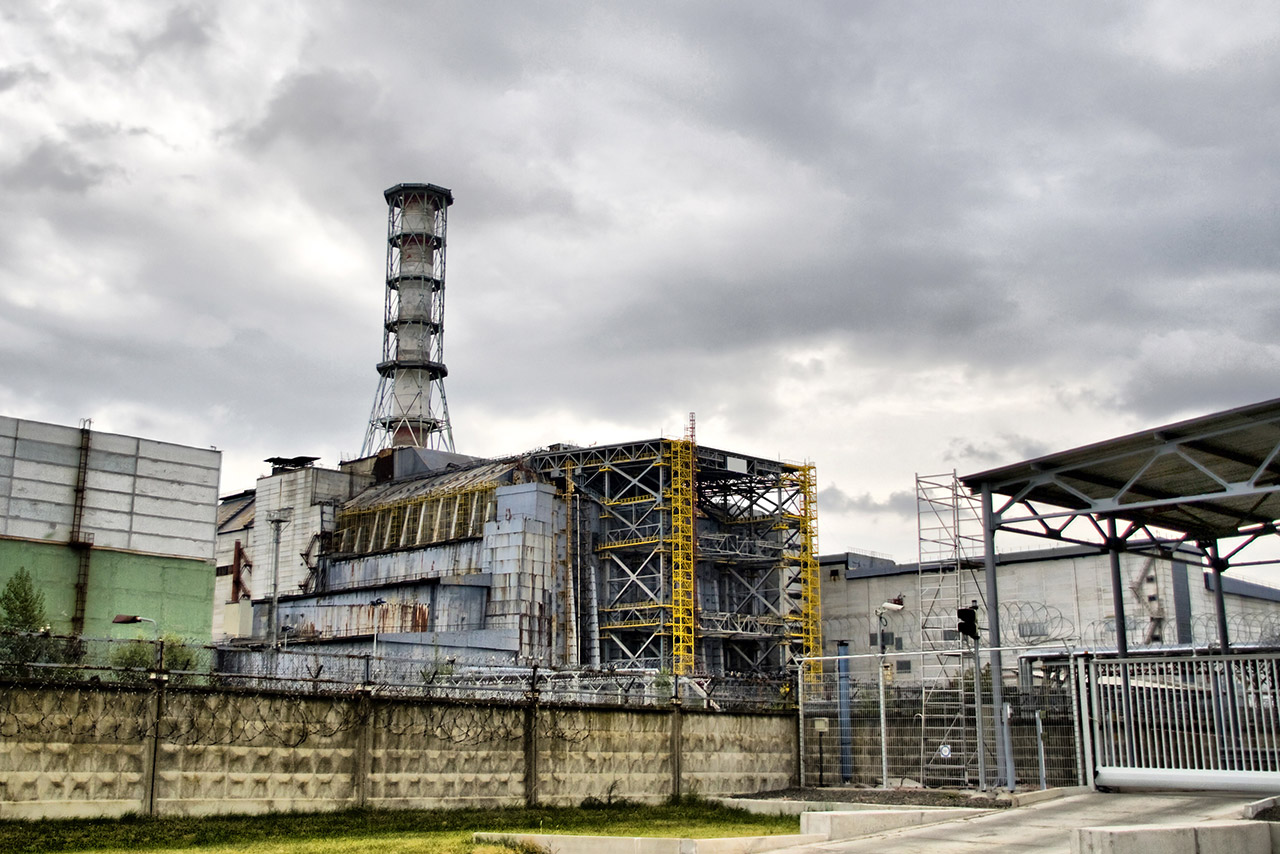
The massive concrete and steel Shelter, commonly known as the “sarcophagus”, was constructed around the remains of Unit 4 in the months following the accident to limit further releases of radioactive material. In 2016, it was enclosed by the much larger New Safe Confinement, designed to provide long-term protection and enable the eventual dismantling of the destroyed reactor.
At the end of the test, the AZ-5 emergency shutdown button was pressed to insert all control rods. However, the RBMK control rods had graphite displacers at their lower ends. When rods that had been almost completely withdrawn began to enter the core, these graphite sections initially displaced neutron-absorbing water and briefly increased reactivity in the lower part of the core. Under the extremely unstable conditions that existed at the time, reactor power rose catastrophically within seconds. Fuel channels ruptured and the rapid generation of steam produced a powerful explosion that destroyed the reactor core and lifted the massive upper biological shield. A second explosion followed shortly afterwards, and burning graphite and fragments of fuel were ejected into the reactor building and surrounding area.
Firefighters initially fought fires in and around the reactor building, while thousands of tonnes of boron compounds, sand, clay, dolomite and lead were subsequently dropped onto the destroyed reactor from helicopters. The exposed graphite in the reactor core continued to burn for several days, carrying radioactive material high into the atmosphere. Large quantities of radioactive material, particularly iodine-131 and caesium-137, were dispersed over Ukraine, Belarus, Russia and other parts of Europe, although much of the radioactive material remained within or close to the destroyed reactor.
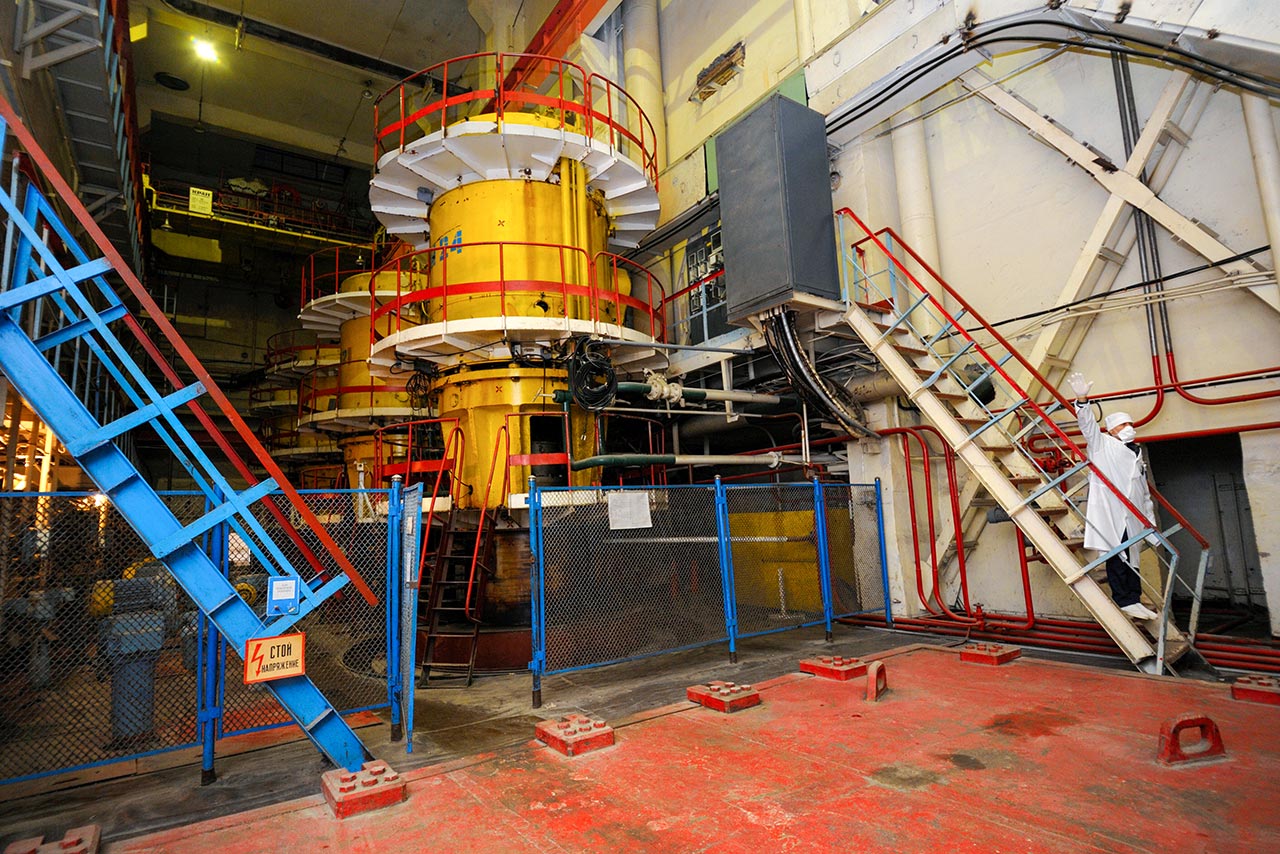
The test conducted before the disaster aimed to determine how long the turbines, once disconnected from the grid, would be able to supply power to the main circulation pumps.
During the months following the accident, the remains of Unit 4 were enclosed in a massive concrete and steel structure known as the Shelter or “sarcophagus”. Because this hastily constructed structure gradually deteriorated, a much larger arched structure, the New Safe Confinement, was subsequently built and, in 2016, moved into position over the reactor and the original Shelter. It was designed to provide a controlled environment for dismantling unstable structures and eventually retrieving radioactive materials from the destroyed reactor. On 14 February 2025, the New Safe Confinement was severely damaged by a Russian drone strike, compromising its ability to contain radioactive materials. No significant radiation release was detected, and restoration work is under way.
The Chernobyl accident was classified as Level 7 on the INES scale, the highest level. It resulted from a combination of serious deficiencies in the RBMK reactor design, operation of the reactor in an unstable condition, violations of operating procedures and fundamental weaknesses in the Soviet nuclear safety and regulatory system. Important characteristics of the reactor, including its large positive void coefficient and the positive reactivity effect that could occur during emergency insertion of the control rods, were not adequately understood or communicated to the operators.
Hundreds of thousands of emergency and recovery workers, commonly known as liquidators, participated in the response and cleanup during the years following the accident. Those who responded during the first hours and days received the highest radiation doses. Acute radiation syndrome was diagnosed in 134 workers, mainly firefighters and plant personnel, and 28 of them died within the first few months. Two workers also died from injuries sustained during the accident itself.
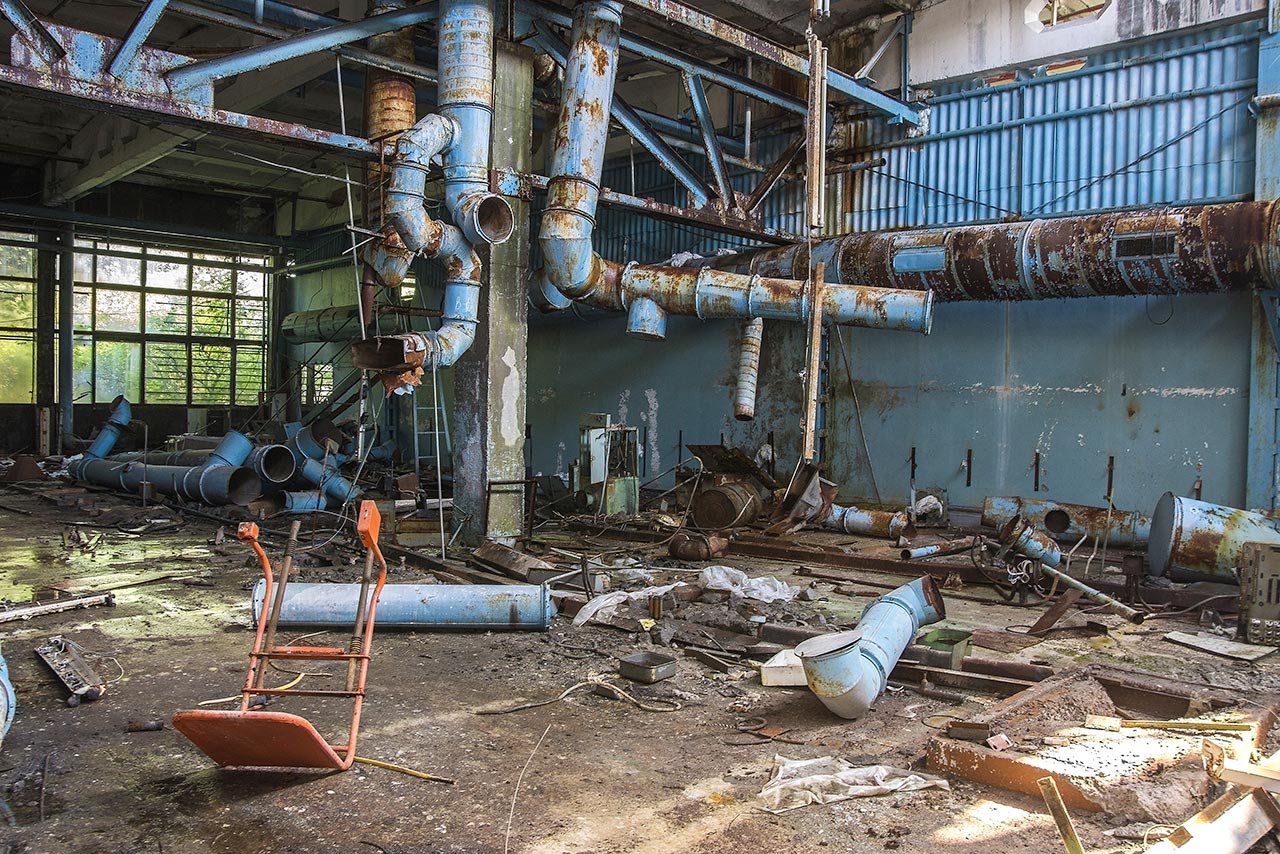
The ruins of industrial and commercial buildings in the abandoned town of Pripyat give it the appearance of a ghost town. After decades without permanent inhabitants, many buildings are deteriorating and vegetation is gradually reclaiming the urban landscape.
The most clearly demonstrated long-term health effect of the accident has been a substantial increase in thyroid cancer among people who were exposed to radioactive iodine as children or adolescents. Thousands of such cases have been diagnosed, although thyroid cancer is generally highly treatable and relatively few have been fatal. Apart from this increase, studies have not demonstrated a clear radiation-related increase in overall cancer incidence among the general population exposed to the Chernobyl fallout.
Pripyat was evacuated on 27 April, about 36 hours after the accident. Evacuation was subsequently extended to other settlements within the exclusion zone, and about 116,000 people were evacuated from the most contaminated areas during 1986. A further approximately 220,000 people were permanently relocated from affected areas in later years. Soviet authorities initially released very little information about the accident, and the first indication outside the Soviet Union came when elevated radiation levels were detected at a nuclear power plant in Sweden. The accident had profound social, economic and psychological consequences and strongly affected public attitudes towards nuclear energy.
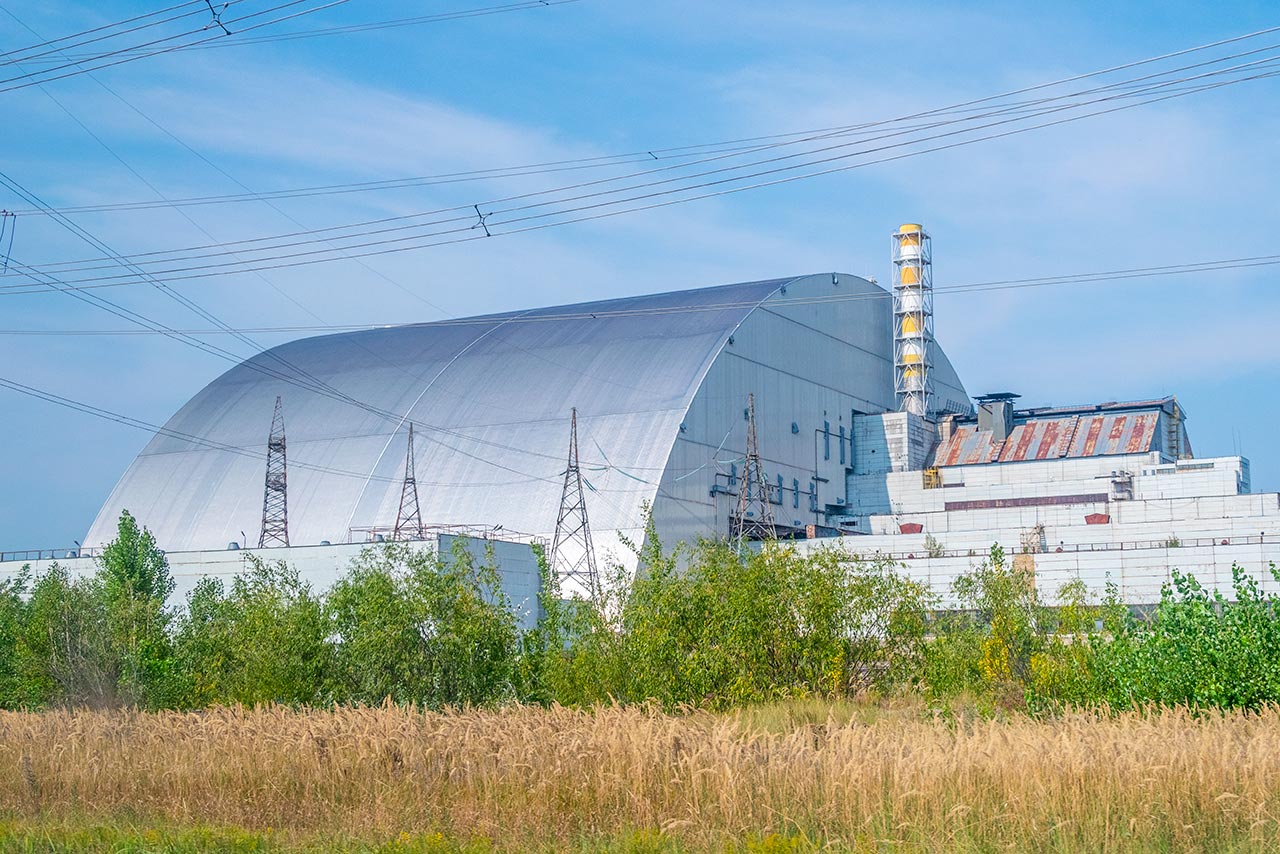
After its completion, the New Safe Confinement structure was slid into position over the original sarcophagus enclosing the damaged Unit 4 of the Chernobyl Nuclear Power Plant in Ukraine.
Following the accident, the remaining RBMK reactors underwent extensive safety modifications. These included changes to the control rods and reactor core that eliminated the positive scram effect and substantially reduced the positive void coefficient, as well as improvements to shutdown systems, operating procedures and safety culture.
The emergency shutdown system of the original RBMK design could briefly increase reactor power instead of reducing it under certain conditions. This dangerous effect was one of the factors that contributed to the Chernobyl accident.

